World news and discussion on TalkFuse.
Farmed salmon may not be as nutritious as it once was, new research suggests
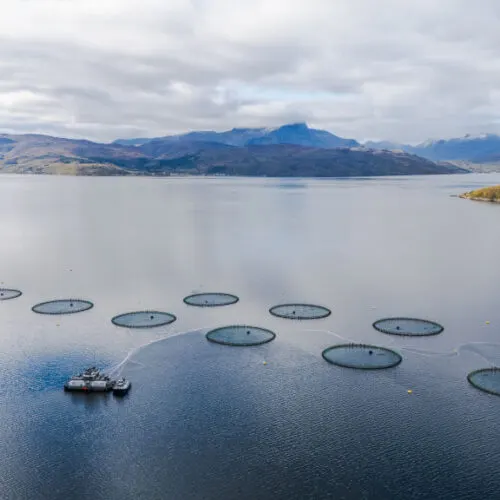
New research led by scientists at the US Department of Agriculture suggests that farmed salmon, which now accounts for nearly 70% of global salmon consumption, contains significantly lower levels of Omega-3 fatty acids than it once did. This matters because official dietary guidance in the US, including from the USDA and the American Heart Association, still recommends salmon specifically for its "heart-healthy" Omega-3 content, meaning consumers may be relying on outdated advice about the nutritional value of the fish they eat.
The decline is attributed to a shift in farmed salmon's diet, away from smaller wild fish species (which were being over-exploited) towards land-based crops and oils such as soy and canola, a trend also flagged by a 2016 study. The study's authors caution their sample was too small to warrant an immediate change to official guidelines, calling instead for broader research, while the USDA declined to comment. The shift also carries environmental costs: farmed salmon production tripled between 2000 and 2020, and roughly half of the world's soy is grown in South America, where forest clearance for feed crops has, according to one researcher, destroyed an area of land comparable in size to Nicaragua or Bangladesh.
In short
- Farmed salmon's Omega-3 levels have dropped, new USDA-led research finds
- Feed shifted from wild fish to soy and canola crops
- Soy farming for feed has driven major deforestation in South America
Steelman: both sides, in good faith
The strongest fair case each way — we don't pick a winner.
The case for
Consumers and public-health officials have reason to take the reported decline seriously: if farmed salmon now provides less Omega-3 than the advice assumes, people may not be getting the nutritional benefit they expect. The shift in feed also raises environmental concerns, and broader research could help keep dietary guidance accurate and encourage more sustainable production.
The case against
The findings do not yet justify changing official advice: the study’s sample was too small to establish how representative the decline is, and the authors themselves call for broader research. Salmon may still be a useful source of Omega-3, while changing feed has reduced reliance on wild fish that were being over-exploited; guidance should weigh the full evidence and trade-offs before drawing conclusions.
Explained simply
Farmed salmon are raised in pens and make up a large share of the salmon people eat. Their feed has changed over time: producers have used fewer small wild fish, which were under pressure from fishing, and more crops and vegetable oils such as soy and canola.
Salmon is often recommended as a source of omega-3 fats, which are linked to heart health. Those fats in farmed salmon depend partly on what the fish are fed, so changes to feed may affect how much omega-3 reaches consumers.
The issue connects food advice with how salmon is produced and where its feed comes from. Growing demand for farmed salmon has increased the need for feed crops, including soy, whose cultivation can contribute to forest clearance.
Americas Business Climate Environment Fitness Health Markets Science World