Politics news and discussion on TalkFuse.
Fast Takes: A surge for Rubio, time to follow the real science and other commentary
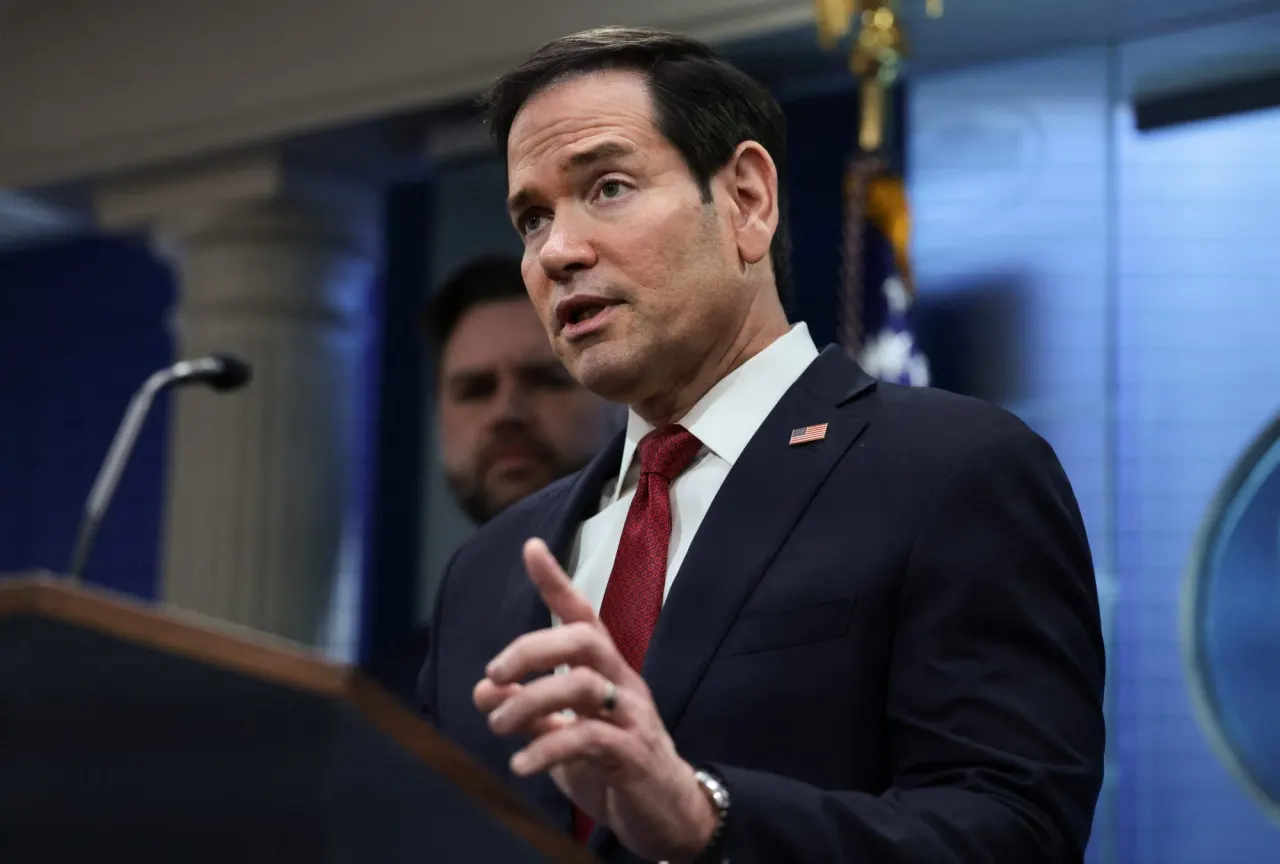
A collection of opinion pieces argues that Marco Rubio has gained ground on JD Vance in early polling for the 2028 Republican presidential nomination, while also debating climate policy, tipped wages, the Democrats’ midterm message and Portland’s decline. Together, the commentaries focus on political shifts and disputes over whether policy decisions have addressed or worsened public concerns.
The cited poll put Rubio ahead of Vance among likely early-contest voters in Iowa, New Hampshire, South Carolina and Nevada, though it excluded Ron DeSantis. Another commentary links the collapse of COP31 to disagreement over climate projections and says New York retired about 36% of its electricity generation. In Washington, DC, Initiative 87 would raise the minimum wage to $25 by 2029 and end the tip wage credit; a previous repeal effort was followed by fewer restaurant jobs and lower worker earnings. The Portland commentary cites overdose deaths nearly doubling, a 34% office vacancy rate and policy changes on drugs and urban camping.
In short
- Rubio leads Vance in polling across four early-contest states.
- Commentaries dispute climate policy, tipped wages and Democrats’ approach.
- Portland faces high office vacancies and worsening urban challenges.
Steelman: both sides, in good faith
The strongest fair case each way — we don't pick a winner.
The case for
Rubio’s polling lead may signal that Republican voters are looking for a nominee with broader appeal and a stronger chance of winning than Vance; early-state results can influence donor support and campaign momentum. On policy, supporters of climate action, higher tipped wages and Portland’s reforms can argue that government should respond to climate risks, raise workers’ incomes and address the conditions behind social problems, while judging those efforts by their longer-term effects.
The case against
The poll is an early snapshot that excludes DeSantis, so it may not predict the eventual Republican contest or establish a durable shift from Vance. Critics can argue that climate policy should reflect uncertainty in projections and the costs of changing energy systems; that ending the tip credit or sharply raising wages could put jobs and restaurants at risk; and that Portland’s outcomes warrant reconsidering approaches to drugs and public spaces.
Explained simply
Marco Rubio and JD Vance are prominent Republican politicians who could seek the party’s nomination for president in 2028. Iowa, New Hampshire, South Carolina and Nevada hold early contests that can shape the nomination race, though polls taken years ahead of an election offer only a snapshot and may not include every possible candidate.
The other issues in the commentaries involve debates over climate policy, workers’ pay and urban problems. COP31 is a United Nations climate conference, while New York’s electricity mix and climate projections are part of wider arguments about energy and emissions. In Washington, DC, Initiative 87 would change minimum pay rules for tipped workers; Portland’s overdose deaths, office vacancies and policies on drug use and camping are cited in disputes about the city’s direction.