Business news and discussion on TalkFuse.
Fauci’s private diaries reportedly claim credit for lockdown decisions
Developed over time first seen 4 months ago
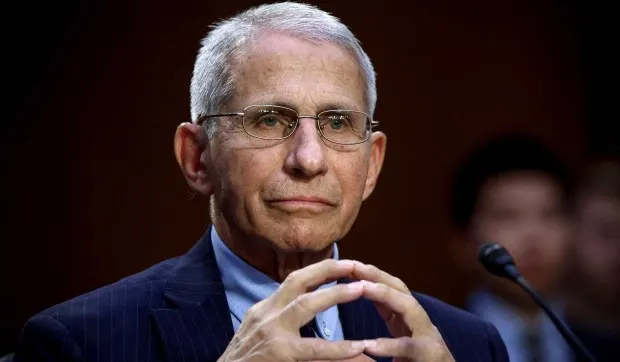
Newly disclosed private diary entries attributed to Dr Anthony Fauci reportedly show him privately taking credit for lockdown-style measures introduced during the Covid-19 pandemic, appearing to contradict his repeated public statements that he never personally recommended such restrictions. The disclosure reignited debate in the United States over Fauci's true influence on pandemic policy, fuelling wider criticism of the honesty and transparency of official communications from senior health officials during the crisis.
Critics seized on the apparent gap between the private diary entries and Fauci's public denials as evidence that he sought to distance himself from unpopular restrictions once they became politically contentious. His defenders countered that brief diary extracts may lack the fuller context needed to fairly assess his actual role in decision-making. No further significant details or official response have since emerged, and the story has not developed beyond these disputed claims.
- Sources
- 2
- Outlets
- 2
- Left · Centre · Right
- 0 · 0 · 2
In short
- Fauci diaries reportedly contradict his public lockdown denials
- Critics say he downplayed his real policy influence
- Supporters say extracts lack full context; no further updates emerged
How this story developed
- 4 months ago Reporting has since moved further along, with additional sources and fresh details about the diary's contents surfacing and commentators now weighing the episode's lasting effect on Fauci's legacy as the public face of America's pandemic response.
- 4 months ago Coverage has since broadened beyond Fauci's individual conduct, framing the discrepancy as part of a wider concern about whether pandemic policy advisers more generally misrepresented their private positions when communicating official guidance to the public.
- 4 months ago Newly surfaced private diary entries attributed to Dr Anthony Fauci reportedly show him privately claiming credit for lockdown measures introduced during the Covid-19 pandemic, an account starkly at odds with his repeated public insistence that he never personally pushed for such restrictions, prompting fresh debate over his true influence on US pandemic policy.
Steelman: both sides, in good faith
The strongest fair case each way — we don't pick a winner.
The case for
Those raising concern argue that public trust in health officials depends on candour, and that if Fauci privately claimed credit for shaping lockdown policy while publicly insisting he merely offered technical advice, that discrepancy matters regardless of one's view on lockdowns themselves. They contend that citizens who bore the economic and social costs of restrictions deserve an honest account of who actually drove those decisions, and that discovering such a gap years later, via private writings rather than forthright testimony, undermines confidence in how officials communicate during emergencies and sets a troubling precedent for future crises.
The case against
Fauci's defenders caution that private diary entries, often written informally and without the benefit of hindsight or full context, can easily be misread as boastful or definitive when they may simply reflect a scientist processing his own influence within a much larger, collective decision-making process involving governors, task forces and elected officials. They argue it is unfair to equate personal reflections with a deliberate public deception, particularly when pandemic policymaking was genuinely collaborative and fast-moving, and that rushing to judgement before the full entries and their context are properly examined risks distorting a public servant's record unfairly.
Explained simply
Fauci is the immunologist who led the US National Institute of Allergy and Infectious Diseases and became the public face of America's response to Covid-19, advising the White House on measures such as lockdowns, school closures and mask mandates. Throughout the pandemic and afterwards, he maintained that he did not personally push for lockdowns, saying such decisions rested with other officials and local authorities.
Private diaries are personal records, often written at the time events happened, and are generally seen as more candid than public statements made for the press or Congress. When diary entries appear to contradict a public figure's official account, this raises questions about whether earlier statements were accurate or intended to manage public perception.
This matters because pandemic lockdowns had enormous social and economic consequences, and Fauci became a lightning rod for both praise and criticism over how the US handled the crisis. Any evidence bearing on his actual level of influence, and on the honesty of his public testimony, feeds into wider debates about accountability and trust in health officials during Covid-19.
Coverage · 2 sources
Bias meters
From 2 rated sources.
Business Culture Food Markets Politics World