Politics news and discussion on TalkFuse.
Fauci in the congressional wringer: a test for Trump’s newly-minted Attorney General
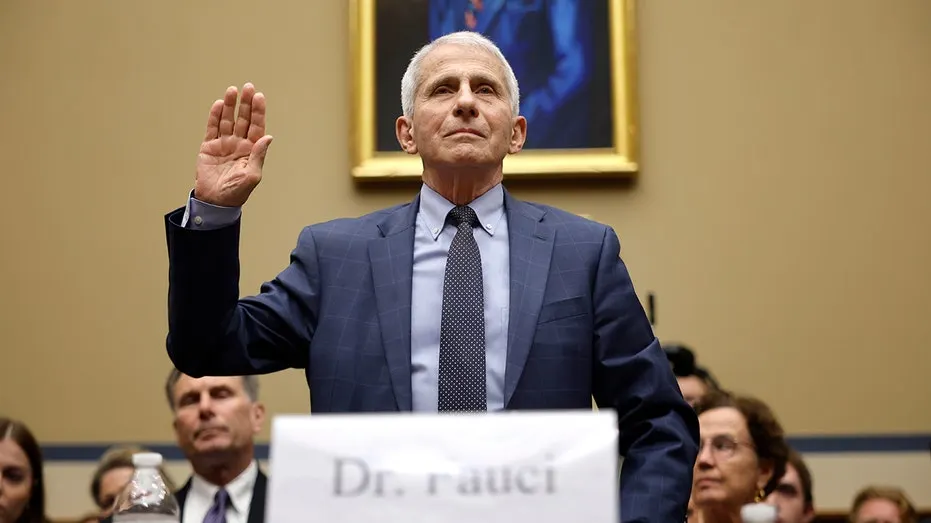
A Senate committee has held former US infectious-disease official Dr Anthony Fauci in contempt of Congress after he invoked the Fifth Amendment 111 times during questioning. The move is significant because it refers the matter to the Justice Department and tests whether President Trump’s newly appointed Attorney General will pursue a politically sensitive case involving a prominent figure from the Covid-19 response.
Congressional contempt is generally used when a witness refuses testimony, documents or information sought through an inquiry, particularly under subpoena. The Senate Homeland Security and Governmental Affairs Committee’s action does not itself establish guilt or guarantee prosecution; the Justice Department would decide whether to take the referral further, potentially leaving the dispute to the courts.
In short
- Senate committee refers Fauci contempt case to the Justice Department.
- Fauci invoked the Fifth Amendment 111 times.
- Prosecutors decide whether the referral leads to charges.
Steelman: both sides, in good faith
The strongest fair case each way — we don't pick a winner.
The case for
Fauci's defenders contend that invoking the Fifth Amendment is a fundamental constitutional right protecting against self-incrimination, not an admission of guilt, and that extensive questioning from politically motivated members of Congress justifies this protection. They argue that pursuing contempt charges would constitute partisan weaponisation of the Justice Department against a public health official carrying out his duties during an emergency, setting a dangerous precedent for politicising government prosecutions regardless of which party holds power.
The case against
Those supporting the contempt finding argue that government officials summoned before Congress have a democratic duty to answer for their actions, especially on consequential matters of public health policy, and that extensive Fifth Amendment invocations appear designed to avoid scrutiny rather than protect legitimate legal interests. They maintain that accountability for officials who shaped major policies depends on transparency and that Congressional oversight authority must be meaningful, not rendered hollow by invocations that prevent the public from understanding how decisions were made.
Explained simply
Dr Anthony Fauci is a US infectious-disease specialist who became a prominent public figure during the Covid-19 pandemic while advising the government on public health. The Senate Homeland Security and Governmental Affairs Committee is a group of senators that investigates issues involving government operations and security.
Congress can hold witnesses in contempt when they refuse to provide information sought by an inquiry, often after receiving a formal demand called a subpoena. A committee’s decision refers the matter to the Justice Department, which decides whether to pursue it; that decision does not itself prove wrongdoing or ensure a prosecution.
Elections Government Politics World