Fauci’s repeated Fifth Amendment pleas revive scrutiny of Biden pardon
Developed over time first seen 2 months ago
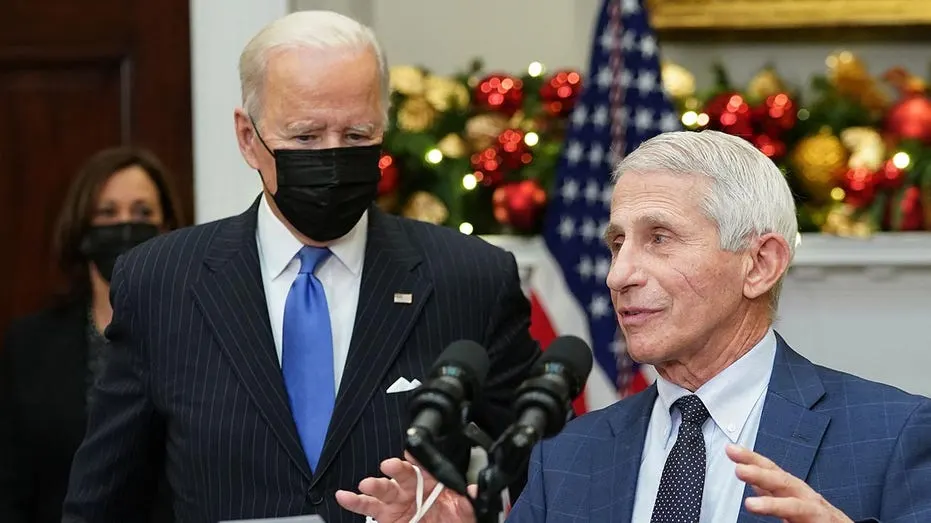
Dr Anthony Fauci invoked his Fifth Amendment right against self-incrimination more than 100 times during a Senate hearing led by Senator Rand Paul, declining to answer questions about his role in shaping COVID-19 policy. The scale of his refusal to testify has drawn renewed attention to the sweeping pardon he received from former President Joe Biden, with critics questioning why a pardoned individual would still decline to answer questions, and the episode has reignited wider debate over his handling of the pandemic response.
The hearing was driven partly by Fauci's personal diary, which reportedly contained entries at odds with his earlier public statements on the origins of the virus and on mask mandates. House Oversight Committee Chairman James Comer has questioned the legal soundness of Biden's pardon, while Paul and other Senate Republicans indicated they might pursue contempt charges over Fauci's non-cooperation, though no further developments have since been reported and the matter appears to have stalled at this stage.
- Fauci pleaded the Fifth over 100 times at a Senate hearing.
- His refusal renewed scrutiny of Biden's pardon of him.
- Republicans floated contempt charges; no further action followed.
New here? Start with this
Fauci served as the top US government adviser on infectious diseases for decades, becoming a household name during the Covid-19 pandemic for his role shaping guidance on measures like masking and lockdowns. His public statements at the time have since been compared with private writings, including a personal diary, that critics say tell a different story about what he believed. Senator Rand Paul, a long-time critic of Fauci's pandemic record, has led congressional efforts to question him about this apparent gap.
The Fifth Amendment is a US constitutional protection allowing a person to decline to answer questions if doing so might incriminate them; invoking it is a legal right and is not, by itself, an admission of wrongdoing. Shortly before leaving office, President Joe Biden issued Fauci a blanket pardon, which pre-emptively covers him for any federal offences he may have committed in his official role, even though he had not been charged with any crime.
This matters because it raises questions about accountability for pandemic-era decisions that affected millions of people, and about how a presidential pardon interacts with a congressional investigation. James Comer chairs the House Oversight Committee, one of the bodies examining Fauci's conduct, while Senate Republicans are weighing whether his refusal to answer questions could lead to contempt proceedings.
Both sides, in good faith
The strongest fair case each way — we don't pick a winner.
The case for
Advocates of continued scrutiny argue that a public official who shaped sweeping pandemic policy, funding decisions and public messaging owes Congress and the American people a full accounting, particularly if private diary entries appear to contradict earlier public statements. They contend that invoking the Fifth Amendment over a hundred times, whatever its legal validity, frustrates the oversight process and fuels legitimate questions about why a blanket pre-emptive pardon was thought necessary if there was nothing to hide. From this view, pursuing contempt proceedings is a reasonable check to preserve Congress's constitutional power to investigate the use of public authority.
The case against
Defenders of Fauci's position argue that invoking the Fifth Amendment is a fundamental constitutional right available to any citizen, including public servants, and that exercising it carries no implication of guilt, especially amid a highly charged, openly adversarial hearing. They note that a pardon, once granted, is a lawful exercise of presidential clemency power intended to end prolonged legal jeopardy, and that treating its acceptance as suspicious risks discouraging officials from ever accepting one. On this view, the intense pursuit of a figure already pardoned and cooperating within his legal rights looks less like oversight and more like a politically motivated effort to relitigate pandemic-era disputes.
Coverage
- Fox News — Fauci’s Fifth Amendment plea shows Biden autopen pardon on ‘legally questionable’ ground, Comer says
- Fox News — DAVID MARCUS: Egomaniac Fauci couldn’t lie or plead 5th to his diary
- The Hill — Paul says Senate panel to vote on holding Fauci in contempt
- The Hill — Fauci metaphorically put his face mask back on
Americas Business Elections Geopolitics Government Markets Middle East Politics World