Texts show Fauci discussed theoretical miscarriage risk before vaccine reassurance
Developed over time first seen 2 months ago
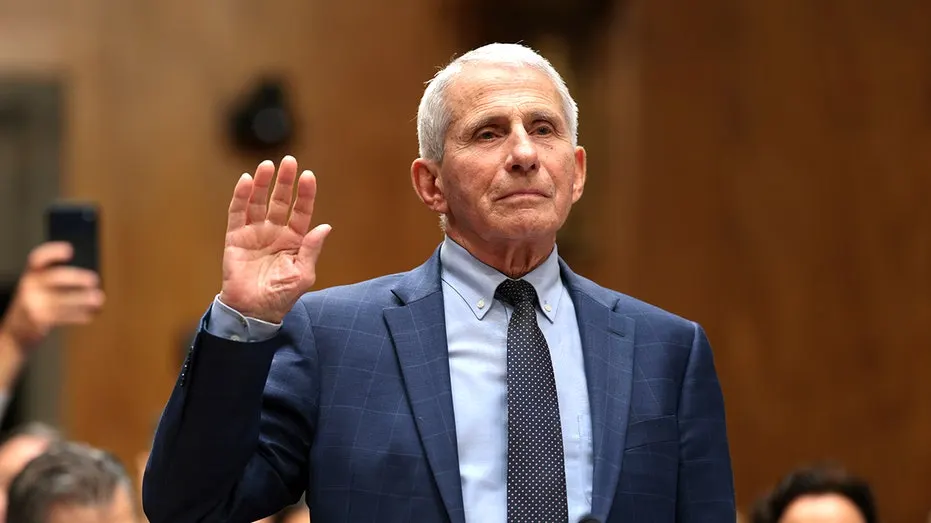
Newly released text messages from Dr Anthony Fauci's government phone show that, days before publicly reassuring pregnant women about COVID-19 mRNA vaccine safety, he had privately discussed a theoretical risk of first-trimester miscarriage linked to vaccine-induced immune reactions. The texts, released by Republican Senators Ron Johnson and Rand Paul, expose a gap between Fauci's internal deliberations and his subsequent public messaging, fuelling renewed criticism from Fauci's opponents over transparency during the pandemic response, while his defenders argue the release misrepresents standard scientific caution as concealment.
The private exchange took place on 25 January 2021 between Fauci, then-CDC director Dr Rochelle Walensky and Dr Vivek Murthy, in which they discussed fever and other immune reactions that could theoretically raise miscarriage risk in early pregnancy. Days later, Fauci told the public that data from thousands of vaccinated pregnant women showed "no red flags." Senator Johnson has called the discrepancy a serious transparency failure, while Senator Johnson's Democratic critics, including Fauci allies, describe the characterisation of the texts as a "gross misrepresentation" of routine scientific discussion.
- Fauci privately flagged theoretical vaccine miscarriage risk in January 2021 texts
- Days later he publicly said data showed "no red flags"
- GOP senators released texts, reigniting pandemic transparency criticism
New here? Start with this
Fauci served as the top US infectious disease official during the pandemic and was a leading public voice on vaccine safety, including for pregnant women. Rochelle Walensky headed the Centers for Disease Control and Prevention (CDC) at the time, and Vivek Murthy was the US Surgeon General. All three were involved in shaping and communicating official guidance on COVID-19 vaccines.
Text messages are being released as part of an ongoing effort by Republican senators, including Ron Johnson and Rand Paul, to examine how US health officials communicated about COVID-19 vaccines during the pandemic. This forms part of a broader, long-running political dispute over the transparency of the pandemic response and whether officials' private discussions matched what they told the public.
Concerns about vaccine safety in pregnancy were a significant issue early in the vaccine rollout, since pregnant women were initially excluded from clinical trials and health authorities had to rely on emerging real-world data to reassure this group. How officials weighed and communicated uncertainty at the time remains a point of scrutiny in later reviews of the pandemic response.
Both sides, in good faith
The strongest fair case each way — we don't pick a winner.
The case for
Critics argue that officials owed the public a more complete picture: if senior health leaders were privately weighing a plausible biological mechanism for early miscarriage risk, then declaring days later that there were "no red flags" understates the uncertainty that existed at the time. On this view, transparency about open scientific questions – even unresolved ones – is essential to informed consent, particularly for pregnant women making personal medical decisions, and the gap between private caution and public reassurance looks like messaging management rather than honest communication of what was and was not yet known.
The case against
Defenders of Fauci's approach argue that discussing a theoretical mechanism internally and then reporting the actual surveillance data publicly are entirely compatible, not contradictory: the "no red flags" statement reflected real-world monitoring data (such as early v-safe pregnancy registry results) showing no elevated miscarriage signal among vaccinated women, distinct from a hypothesis being responsibly explored behind the scenes. Public health officials routinely debate biological plausibilities internally before they are confirmed or refuted, precisely so that unverified concerns are not broadcast and do not cause needless alarm or vaccine hesitancy among pregnant women, who already faced elevated risks from COVID-19 infection itself.
More coverage
Read the full article at the source →
Originally published by Fox News as “Fauci said ‘no red flags’ for pregnant women days after raising theoretical vaccine miscarriage risk: text”.