Fauci texts suggest officials were ‘too slow to pivot’ amid pandemic, says Dr Marc Siegel
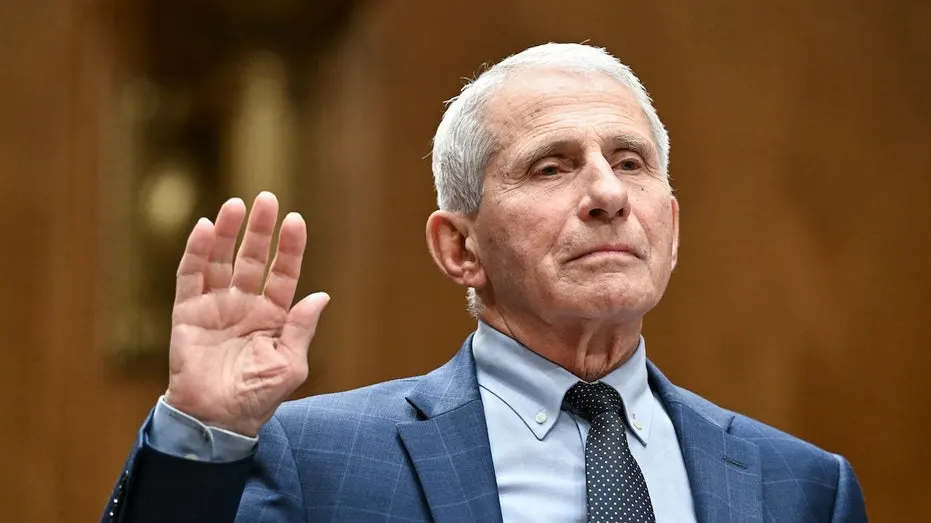
Newly released text messages from Dr Anthony Fauci have prompted fresh criticism of his handling of shifting scientific evidence during the COVID-19 pandemic. Dr Marc Siegel, a Fox News senior medical analyst, said the messages suggest the former White House chief medical adviser was at times too rigid and slow to update his guidance as understanding of the virus evolved, a charge that feeds into wider ongoing scrutiny of how US health authorities managed the pandemic response.
The texts form part of an initial tranche of communications from Fauci's government-issued mobile phone, released on Monday by Republican Senators Ron Johnson of Wisconsin and Rand Paul of Kentucky. They offer a rare look at private exchanges between Fauci and other senior health officials as they grappled with fast-changing information about the coronavirus. Speaking on Monday evening, Siegel characterised some of the messages as showing "dogmatism" and warned of what he described as concerns around megalomania, arguing officials failed to adapt quickly enough to new evidence.
- Newly released Fauci texts raise questions over pandemic decision-making
- Fox News analyst Dr Marc Siegel says officials were slow to adapt
- Messages released by Senators Ron Johnson and Rand Paul on Monday
New here? Start with this
Officials in the United States, including Dr Anthony Fauci as the government's top infectious disease expert, faced enormous pressure during the COVID-19 pandemic to issue public health guidance based on scientific understanding that was changing rapidly, particularly in the early stages. Fauci served as director of the National Institute of Allergy and Infectious Diseases and became the White House's chief medical adviser, making him one of the most prominent and, at times, most controversial figures in the US pandemic response.
Text messages from Fauci's government phone have now been made public, giving the first close look at his private communications with other officials during that period. Their release follows years of political disagreement over how the pandemic was handled, including debates over mask guidance, lockdowns and the virus's origins, with some lawmakers pushing for greater transparency about decisions made behind closed doors.
The wider significance lies in ongoing questions about how well public health authorities adapted as new evidence emerged, and how much scrutiny officials should face for decisions made under uncertainty. This story sits within that broader, long-running debate about accountability and transparency in the US pandemic response.
Both sides, in good faith
The strongest fair case each way — we don't pick a winner.
The case for
Critics argue that public health authorities, however well-intentioned, must be willing to revise guidance quickly once new evidence emerges, and that clinging to earlier positions costs lives and public trust. From this view, the newly released texts are valuable precisely because they show officials' private reasoning, allowing outside observers to judge whether caution tipped into rigidity or institutional self-protection. Advocates of this position see robust scrutiny, including release of communications from senior officials, as essential accountability given the scale of the decisions made and their lasting impact on daily life.
The case against
Defenders of the officials involved argue that managing a fast-moving, poorly understood virus required making judgement calls under genuine uncertainty, and that guidance evolving as data improved is a sign of responsible science rather than dogmatism. They caution that private, informal messages, written under immense pressure and without the benefit of hindsight, can easily be taken out of context or read uncharitably when released selectively by political actors. On this view, constant, rapid reversals of public guidance carry their own risks of confusing the public and eroding compliance, so a degree of measured consistency was a reasonable and defensible approach at the time.