Fauci set to testify to Senate after diary release
Developed over time first seen 3 months ago
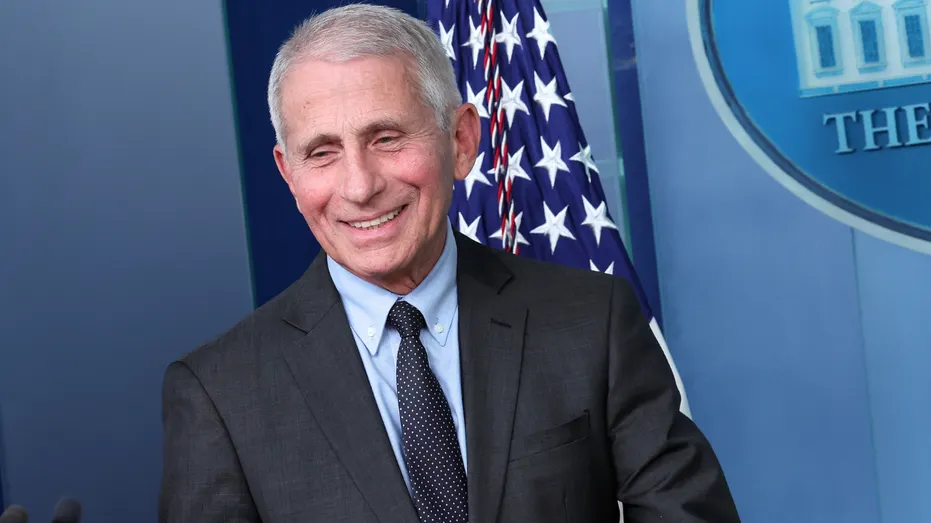
Anthony Fauci, the former chief White House medical adviser and long-time director of the National Institute of Allergy and Infectious Diseases, testified before the Senate Homeland Security Committee after his pandemic-era diary entries were released by the panel's Republican chair, Rand Paul. The hearing reopened scrutiny of COVID-19's origins and renewed claims that health officials may have misled Congress during the pandemic response, marking a notable moment in the continuing political reckoning over America's handling of the outbreak.
The release of the diaries proved contentious in its own right, with critics arguing that major news outlets concentrated their coverage on political attacks linked to former President Donald Trump rather than examining Fauci's own recorded statements and recommendations on measures such as lockdowns and mask-wearing. The episode underscored the lasting divisions over how the pandemic response should be judged and by whom.
- Sources
- 2
- Outlets
- 2
- Left · Centre · Right
- 0 · 0 · 2
In short
- Fauci testified to Senate after his pandemic diaries were released
- Rand Paul's committee released the entries, reigniting COVID-origins scrutiny
- Coverage disputes centred on Trump-related politics versus Fauci's own record
How this story developed
- 3 months ago The account reverted to describing the testimony as still pending rather than scheduled with certainty, restoring fuller biographical detail on Fauci's former roles and explicitly noting that no further diary contents or confirmed hearing date had yet been reported.
- 3 months ago Coverage shifted from a completed appearance to a forthcoming one, reporting that Fauci was instead scheduled to testify following Rand Paul's release of the diary entries, with the same debate emerging over outlets allegedly prioritising Trump-focused political angles over Fauci's actual pandemic policy statements.
- 3 months ago Anthony Fauci testified before the Senate Homeland Security Committee about his released pandemic-era diaries, reopening scrutiny of COVID-19's origins and renewing claims that health officials misled Congress, while critics faulted media coverage for dwelling on Trump-related attacks rather than the diaries' substance.
Steelman: both sides, in good faith
The strongest fair case each way — we don't pick a winner.
The case for
Supporters of the hearing argue that a public official who spent taxpayer-funded decades directing national pandemic policy should expect rigorous, ongoing scrutiny, especially given lingering questions about the origins of COVID-19, the funding of virus research abroad, and shifting official guidance on masks and lockdowns. They contend that private diary entries may reveal how much of that guidance was driven by scientific consensus versus political pressure or personal judgement, and that Congress has both the right and the duty to establish whether officials gave testimony that was incomplete or misleading. For them, this is less about partisan point-scoring than about accountability, transparency and restoring public trust in institutions that shaped everyday life for millions.
The case against
Critics of the renewed scrutiny argue that Fauci, like public health officials worldwide, was making judgement calls under severe uncertainty in a fast-moving emergency, and that hindsight makes early decisions look more clear-cut than they were at the time. They see the hearing as part of a broader pattern of politically motivated pursuit of a figure who became a lightning rod for opposition to pandemic-era Trump administration policy, warning that combing through a personal diary for damaging soundbites risks intimidating future scientific advisers and discouraging candid internal deliberation. They also caution that focusing coverage on personal conflict rather than substantive policy review does a disservice to genuine lessons that could improve future pandemic response.
Explained simply
Fauci was one of the most prominent public health officials in the United States during the coronavirus pandemic, serving as chief medical adviser to the White House and head of the National Institute of Allergy and Infectious Diseases for decades. He became a lightning rod for criticism, particularly from Republicans, over decisions such as lockdowns, mask guidance and the debate over whether the virus originated in a Wuhan lab. He has already faced repeated congressional questioning since leaving office.
The upcoming hearing follows the release of Fauci's personal diary entries from the pandemic period, made public by Senator Rand Paul, the Republican chair of the Senate Homeland Security Committee. Paul has been one of Fauci's most persistent critics in Congress, and the committee has previously investigated claims that officials withheld or downplayed information from lawmakers during the outbreak.
The hearing matters because it forms part of a broader, ongoing political effort in the US to establish an official record of how the pandemic response was handled, including questions about transparency and accountability among senior health officials. It is also being watched closely because of disagreements over how the diary release itself should be reported, reflecting the wider polarisation that has surrounded Fauci and COVID-19 policy since 2020.
Coverage · 2 sources
Bias meters
From 2 rated sources.