Business news and discussion on TalkFuse.
FBI arrests Georgia man accused of sending cryptocurrency to ISIS-linked individuals and groups
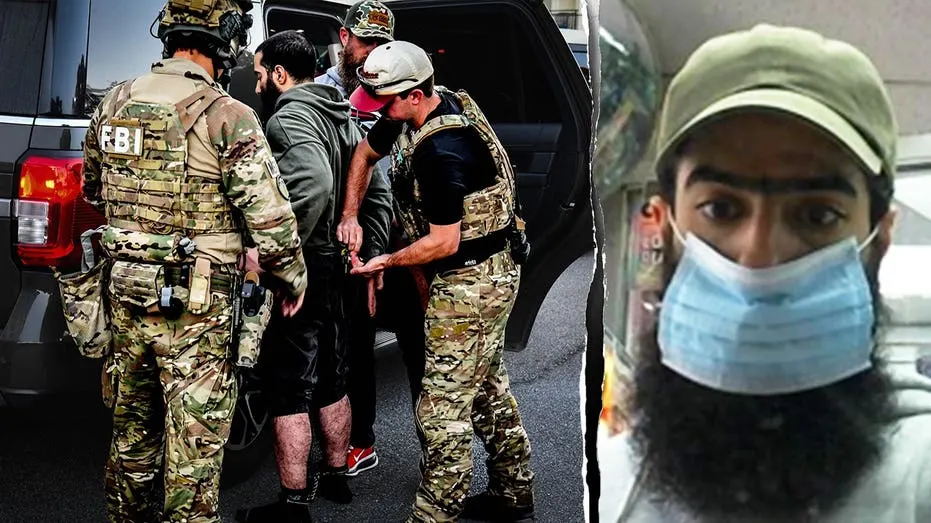
A Georgia man, Younes Moustafa Younes, has been charged with international money laundering and destruction of evidence after prosecutors alleged he sent cryptocurrency to people and groups affiliated with ISIS. The allegations matter because investigators say some of the money was intended to support ISIS operations in Syria, while the evidence charge concerns steps they say he took to conceal or destroy material before his arrest.
The Justice Department says Younes, 34, of Lavonia, was arrested on 18 November and remains in custody. Prosecutors allege he sent about $16,807 in cryptocurrency between December 2025 and June 2026, and about $9,206 in 11 transactions from December 2021 to April 2022. FBI agents reportedly found damaged or submerged phones and shredded documents in his apartment; if convicted, he could face up to 20 years in prison on each charge. The allegations have not been proven in court.
In short
- Georgia man charged over alleged cryptocurrency transfers to ISIS-linked recipients.
- Prosecutors cite about $26,000 in transactions across two periods.
- He also faces an evidence-destruction charge and denies supporting extremism.
Explained simply
ISIS is an armed extremist group that has operated in parts of the Middle East, including Syria. Governments classify it as a terrorist organisation, and its finances have been a focus of law-enforcement investigations.
Cryptocurrency is digital money that can be transferred online, sometimes across borders. Investigators may examine transaction records and other evidence to determine who sent funds and who received them, though tracing a payment does not by itself establish its purpose.
Money-laundering laws cover attempts to move or conceal money connected to crime. In this case, the charges concern alleged transfers and the alleged destruction or concealment of evidence; the claims must be tested in court.