FCC’s Sole Democrat Calls On Broadcast Lobby To Push Back On Trump-Backed Chairman’s Regulatory Threats Over Election Coverage
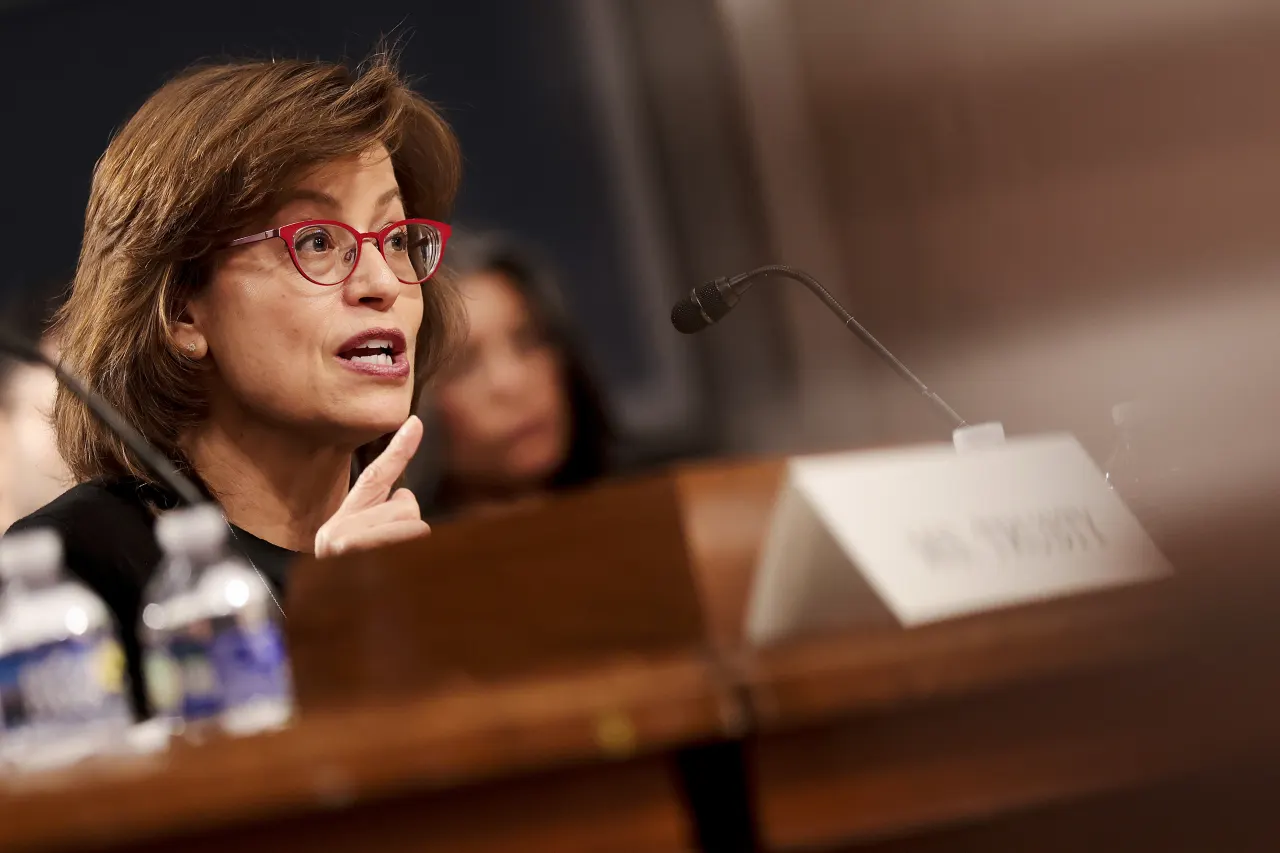
FCC Commissioner Anna Gomez has urged the US broadcast lobby to challenge chairman Brendan Carr’s warning that stations airing “fake polls” could face regulatory review. She says the warning risks discouraging election reporting and that existing rules do not give the FCC broad power to act against coverage simply because officials dislike a poll.
Gomez wrote to National Association of Broadcasters chief Curtis LeGeyt that the news distortion policy requires documented evidence of an intentional effort to mislead, while the broadcast hoax rule concerns knowingly false reports about crimes or catastrophes. Carr’s warning followed Wedgewood Polls’ admission that it fabricated results; it also drew criticism from former FCC officials across party lines. Gomez cited other recent FCC actions affecting election coverage, while the NAB has faced criticism for not speaking out more forcefully despite challenging some decisions.
In short
- Gomez says FCC rules do not justify broad threats over poll coverage.
- Carr warned stations about airing polls he called “fake”.
- The NAB is facing calls to respond more forcefully.
Steelman: both sides, in good faith
The strongest fair case each way — we don't pick a winner.
The case for
Gomez’s position is that regulatory warnings tied to polling could make broadcasters wary of legitimate election reporting, especially if the legal basis for action is unclear. The rules she cites appear to require evidence of deliberate deception or concern false reports about serious events, so the FCC should not imply broader powers over coverage that officials dislike; the broadcast lobby has reason to defend that boundary.
The case against
Carr’s warning can be defended as a response to a pollster’s admitted fabrication and a signal that broadcasters should take care not to air materially deceptive election content. Supporters may argue that public confidence in elections is important enough to justify scrutiny where stations knowingly relay false information, and that the FCC should clarify how existing rules apply rather than leave a potential gap unaddressed.
Business Companies Elections Government Politics