World news and discussion on TalkFuse.
Fear of humanoid robots spurs human workers to strike at Hyundai auto factory
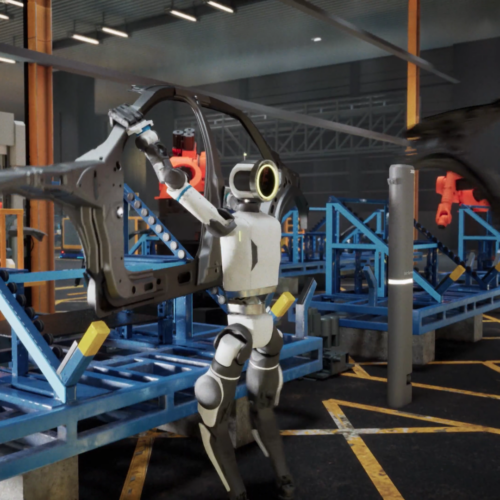
Thousands of unionised Hyundai workers in South Korea have begun partial strikes over the company’s plans to introduce Atlas humanoid robots into its factories. The dispute is significant because it is being described as the car industry’s first factory stoppage specifically linked to humanoid robots, highlighting growing labour concerns that AI-driven automation could reduce jobs, hours and pay.
Workers at Hyundai’s Ulsan complex ended shifts two hours early from 13 to 15 July and planned four-hour strikes from 20 to 22 July after 15 negotiation rounds failed. Hyundai reportedly aims to deploy more than 25,000 Atlas robots across Hyundai and Kia plants, beginning at US factories in 2028; the union, representing more than 39,000 South Korean workers, wants fixed pay, a higher retirement age and larger bonuses. Analysts estimate an Atlas robot could cost about $130,000 and recover that cost within two years, potentially making it far cheaper than human labour.
In short
- Hyundai workers are striking over planned humanoid robot deployment.
- The dispute raises concerns over jobs, pay and reduced working hours.
- Hyundai plans large-scale Atlas robot use from 2028.
Steelman: both sides, in good faith
The strongest fair case each way — we don't pick a winner.
The case for
The union’s case is that introducing robots capable of taking on factory tasks could put workers’ jobs, hours and pay under pressure, especially if the technology is much cheaper than human labour. Seeking guarantees on pay, retirement and bonuses through collective bargaining is a way to share the gains from automation and give workers a voice in changes that affect their livelihoods.
The case against
Hyundai can argue that introducing robots may improve productivity and help its plants remain competitive as manufacturing technology advances. If automation lowers costs or takes on certain tasks, the company could have more capacity to invest and sustain production, while negotiations over pay and employment terms can address workers’ concerns without stopping the introduction of the technology.
Explained simply
Hyundai is a major South Korean car manufacturer with large factories, particularly at its Ulsan complex where thousands of workers are employed. The company has announced plans to introduce Atlas humanoid robots, aiming to deploy more than 25,000 of these robots across Hyundai and Kia factories, beginning in the US in 2028.
Workers represented by a union covering more than 39,000 employees in South Korea are concerned that these robots could reduce jobs, working hours and wages. They have begun striking in protest and have pressed their demands during negotiation rounds for protections including fixed pay rates, higher retirement ages and larger bonuses.
This dispute is believed to be the first major car industry strike specifically triggered by concerns about humanoid robots, signalling a broader anxiety about how advanced automation could reshape manufacturing work. An Atlas robot is estimated to cost around $130,000 but could pay for itself within two years, potentially making it significantly cheaper than paying human workers over that period.
Americas Art Celebrity Culture Entertainment World