Health news and discussion on TalkFuse.
Fears for baby elephant living at Portland zoo as she is struck down with potentially deadly virus
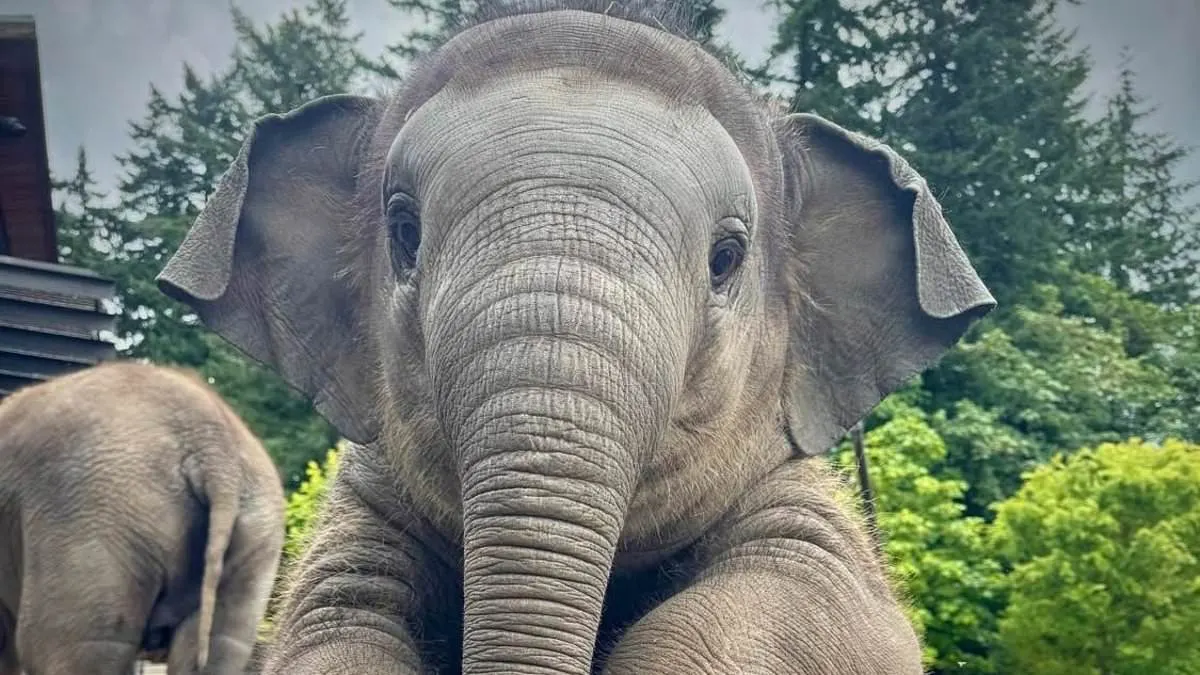
Tula-Tu, a young Asian elephant at Oregon Zoo in Portland, has EEHV-1B, a virus that can progress rapidly and is a leading cause of death among young Asian elephants. She is currently stable and showing encouraging signs after several rounds of treatment, but her condition is being closely monitored.
Her white-cell counts are nearly normal, her viral load is falling, and her appetite and alertness have improved. Tula received an mRNA vaccine earlier this year for the different EEHV-1A strain, and it is not yet known whether it offers protection against 1B. Her blood is being tested by laboratories including Oregon State University, Baylor College of Medicine and the Smithsonian, as part of research into vaccines and treatments; her sister Lilly died from EEHV at six in 2018.
In short
- Tula-Tu is stable after treatment for EEHV-1B.
- Her health markers and appetite are improving.
- Researchers are studying her samples to support future treatments.
Explained simply
Asian elephants can contract elephant endotheliotropic herpesvirus (EEHV), a group of viruses that can cause severe illness, especially in young animals. The virus can damage blood vessels and organs, and illness may worsen quickly.
There are several EEHV strains, including 1A and 1B. A vaccine developed for one strain may not protect against another, and researchers are studying how to prevent and treat the disease.
Tula-Tu lives at Oregon Zoo with her family, where staff can monitor her and provide treatment. Her sister Lilly died from EEHV in 2018, and tests on Tula-Tu’s blood are also contributing to research by several laboratories.