World news and discussion on TalkFuse.
Fears for school crossing patrols as councils struggle to recruit lollipop people
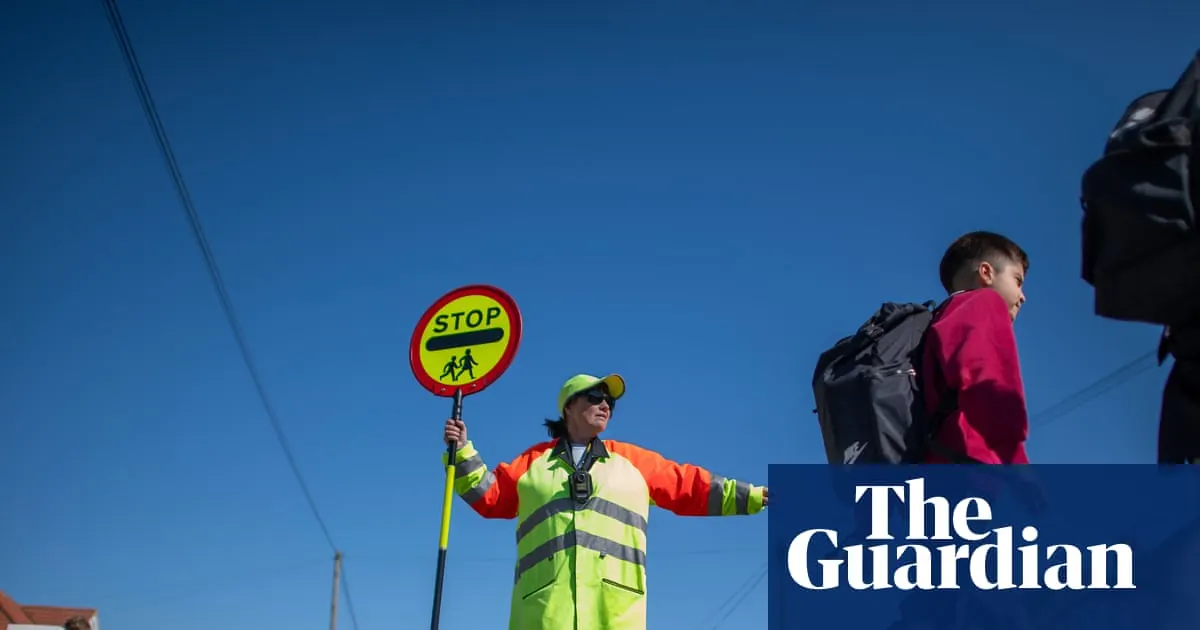
Councils are struggling to recruit school crossing patrol staff, raising concerns that familiar lollipop people could disappear from some communities. The roles help children cross safely and can also provide a valued point of connection between families and their neighbourhoods.
The Recruitment and Employment Confederation reports rising vacancies, while East Riding of Yorkshire says a quarter of its patrol sites are unstaffed and is considering alternatives such as zebra crossings. Councils cite low pay, short part-time shifts and working outdoors in all weathers as barriers; some patrol staff have also faced dangerous or aggressive drivers. In Redcar and Cleveland, three applicants are being processed, which could leave the service with one vacancy.
In short
- Councils face growing gaps in school crossing patrols.
- East Riding says a quarter of its sites are unstaffed.
- Low pay and short shifts make recruitment difficult.
Explained simply
School crossing patrols are staffed points where trained workers help children cross busy roads near schools, usually holding a high-visibility stop sign known as a lollipop. They are most common at school start and finish times, when children and families are making the journey on foot.
Councils organise and fund many patrols, while the workers are often employed for short shifts each day. Low pay, limited hours, outdoor work and risks from traffic can make the jobs difficult to fill. Where no patrol is available, councils may consider other road-safety measures, but the options depend on the road and local circumstances.
The role can also give families a familiar adult to turn to and help connect people in a neighbourhood. Whether patrols can be maintained matters for children’s journeys to school and for the way communities support them.