World news and discussion on TalkFuse.
US sanctions fears mount before ICJ’s Rohingya genocide ruling
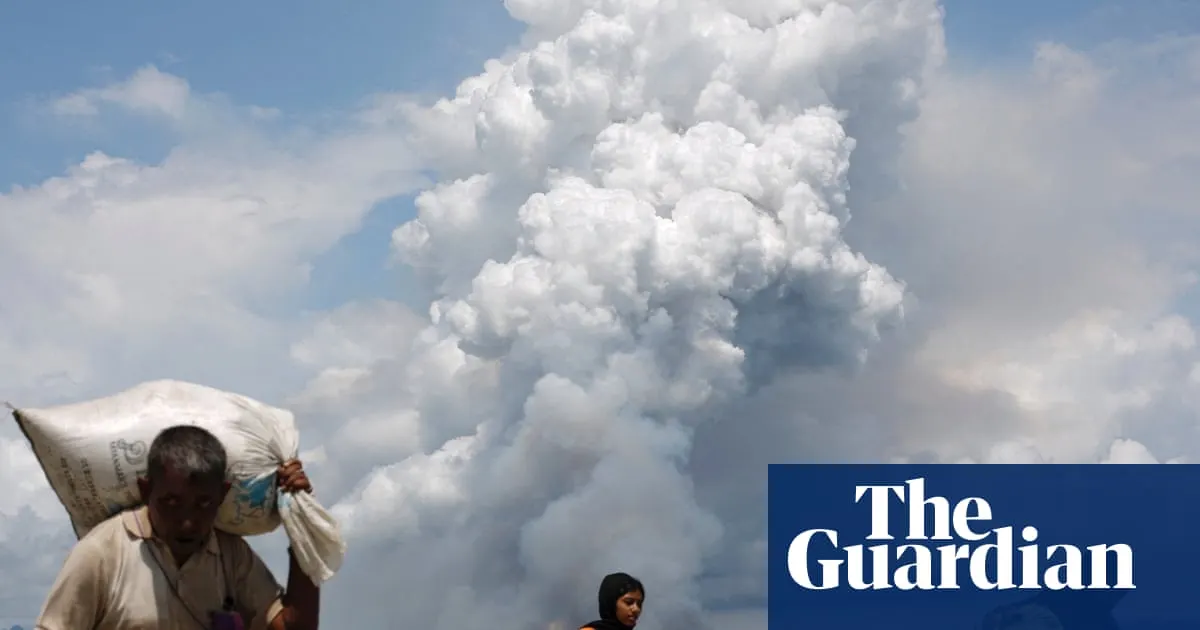
The International Court of Justice is expected to rule on Thursday on whether Myanmar committed genocide against the Rohingya, in a case that could shape how the court assesses intent in future genocide cases. The prospect has raised fears that the United States may sanction ICJ judges, including Nobel Peace Prize winner Navi Pillay, if Washington believes the ruling lowers the legal threshold for proving genocide.
Rohingya survivors’ lawyers say the military’s actions in Rakhine state in 2016 and 2017, including killing people as they fled, show intent to destroy the group; Myanmar says it was targeting an insurgency. The US has already sanctioned International Criminal Court judges and the institution after its arrest warrants for Israeli Prime Minister Benjamin Netanyahu, while US officials have criticised Pillay and warned the ICJ against acting against American or allied interests. The case was brought by The Gambia, which appointed Pillay as an independent ad hoc judge.
In short
- The ICJ is due to rule on Myanmar’s treatment of the Rohingya.
- The US may sanction judges if it objects to the ruling.
- The decision could influence future cases concerning Israel and Gaza.
Steelman: both sides, in good faith
The strongest fair case each way — we don't pick a winner.
The case for
Supporters of sanctions could argue that judges should not use a genocide ruling to dilute the demanding legal standard for proving intent, and that targeted measures may deter decisions they regard as politically motivated or harmful to US interests and allies. They may see this as a legitimate exercise of national sovereignty, particularly if they believe international courts are exceeding their proper role.
The case against
Critics could argue that threatening sanctions over a pending judgment risks pressuring judges and undermining the independence of the ICJ. They may also contend that the ruling should be assessed on the evidence and law, and that punishing judges for their conclusions could weaken confidence in international justice and the protection of vulnerable groups.
Explained simply
The Rohingya are a mostly Muslim minority from Myanmar, where many have faced discrimination and restrictions. In 2016 and 2017, Myanmar’s military carried out operations in Rakhine state that drove many Rohingya from the country; survivors’ lawyers say the violence was intended to destroy the group, while Myanmar says the military was fighting an insurgency.
The Gambia brought the case to the International Court of Justice, the United Nations’ court for disputes between states. The court must consider whether Myanmar’s actions amounted to genocide, a crime that requires proof of an intent to destroy a national, ethnic, racial or religious group. Its approach could influence how intent is assessed in future cases.
The United States has criticised the court and has previously sanctioned judges at the separate International Criminal Court. That has raised concern about possible pressure on ICJ judges, including Navi Pillay, who is serving as an independent judge appointed by The Gambia.
Americas Geopolitics Government Middle East Politics World
Read the full article at the source →
Originally published by The Guardian as “Fears grow over US sanctions on ICJ judges ahead of Myanmar genocide ruling”.