World news and discussion on TalkFuse.
Fears lollipop ladies could be going EXTINCT as councils struggling to recruit
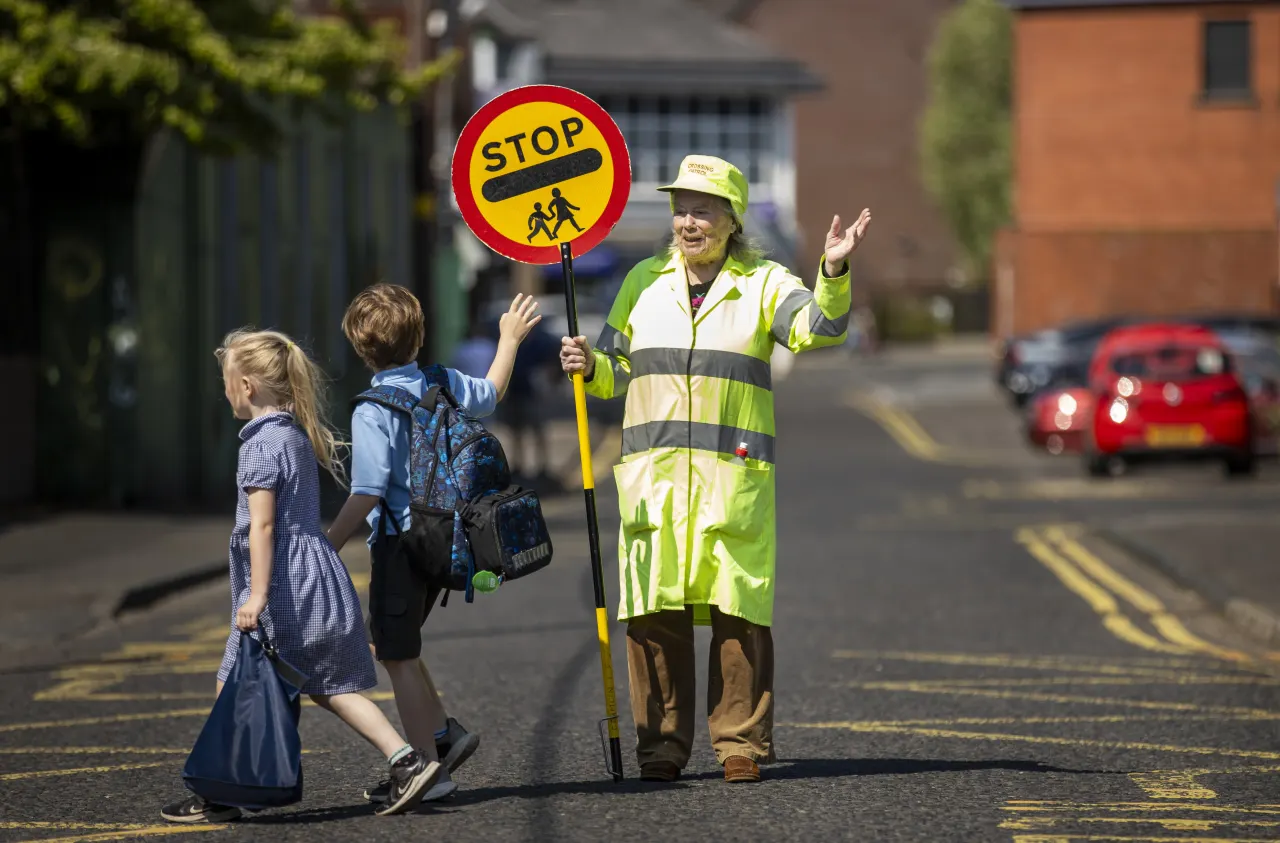
School crossing patrol numbers have fallen sharply across Britain, leaving councils struggling to recruit and some school routes without staffed crossings. The decline matters because councils say the roles help protect children and can also provide a familiar point of contact for families and communities.
GMB figures show numbers in England, Scotland and Wales fell by 2,081, from 7,128 in 2009/10 to 5,047 in 2017/18. East Riding of Yorkshire says a quarter of its patrol sites are unstaffed; councils cite low pay, short shifts, poor weather and vacancies left after retirements, while some are considering zebra crossings or have cut vacant posts.
In short
- Patrol numbers fell by 2,081 over a decade.
- A quarter of East Riding sites are unstaffed.
- Councils cite recruitment challenges and are considering alternatives.
Steelman: both sides, in good faith
The strongest fair case each way — we don't pick a winner.
The case for
Councils should preserve and recruit school crossing patrols because they provide direct help to children at busy roads, reassurance to families and a familiar presence in the community. Where traffic or road layouts make crossings risky, relying on children to judge gaps unaided may leave them less protected; councils could address recruitment by improving pay and making the short shifts more attractive.
The case against
Councils facing limited budgets and persistent vacancies can reasonably consider whether staffed patrols are the best way to protect each crossing. Zebra crossings or other road-safety measures may provide more consistent cover without depending on recruitment for brief, weather-exposed shifts, and scarce funds could be directed to sites where the need is greatest.
Explained simply
School crossing patrols, often called lollipop people, help children cross roads near schools at busy times. They use a sign and a high-visibility uniform to stop traffic, and may also be a familiar face for pupils and families.
Councils employ patrol staff, but the jobs often involve short shifts at the start and end of the school day. Councils say low pay, bad weather and retirements have made it hard to fill vacancies; some are considering other crossing arrangements or removing unfilled posts.
Fewer staffed crossings can leave some school routes without a patrol. Councils say the roles help protect children, while the choice of how to manage crossings rests with local authorities.