Weird & Viral news and discussion on TalkFuse.
Feature: A Lost Box Restored My Faith In Zelda’s Staying Power
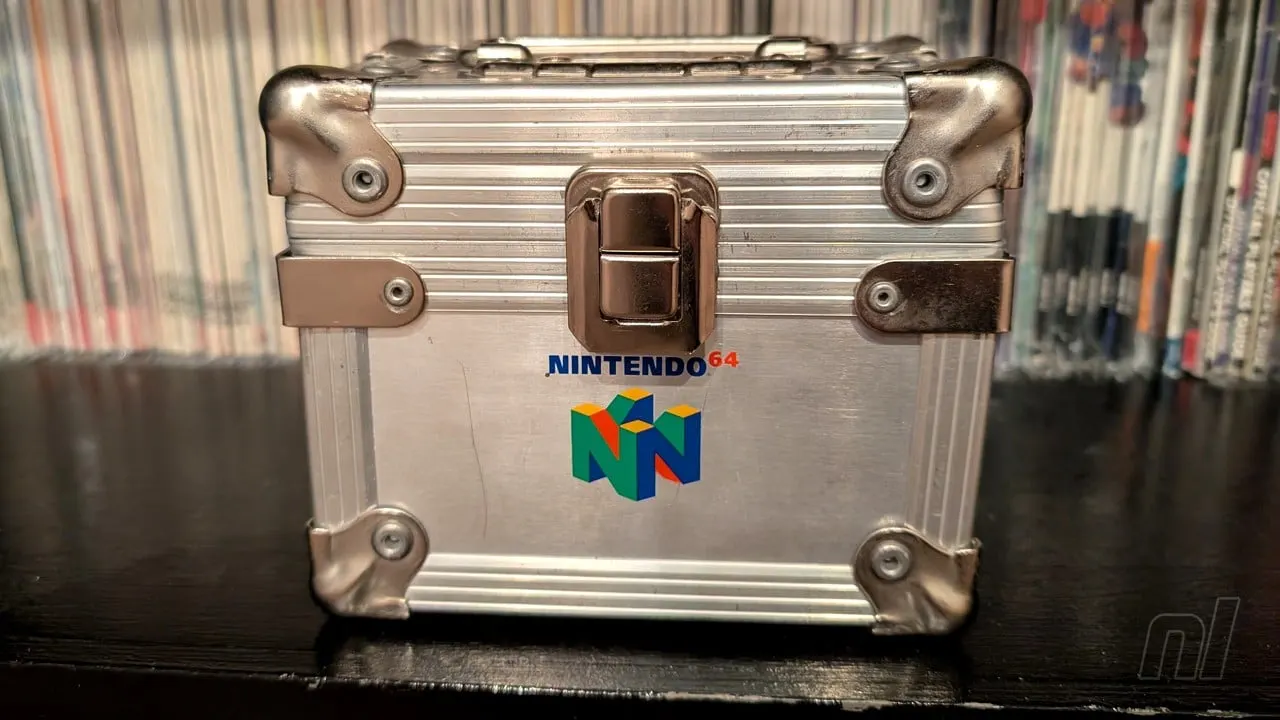
The writer recalls receiving a metal treasure chest from Nintendo in 1998 to promote the original release of The Legend of Zelda: Ocarina of Time. After his brother rediscovered it empty while helping their parents move, the timing prompted the writer to reflect on the game’s staying power and whether its upcoming Switch 2 remake would appeal to his Zelda-loving son, who grew up with the newer open-world games.
He compares Nintendo’s remakes to restoring a classic car: preserving what made the original distinctive while improving its presentation and adding some quality-of-life changes. He points to Star Fox, Super Mario RPG and Link’s Awakening as examples of this approach, arguing that a faithful restoration can help pass a much-loved game on to a new generation without changing its core character.
In short
- A rediscovered Ocarina of Time promotional chest was empty.
- The find came just before the Switch 2 remake launched.
- The writer sees faithful remakes as a way to share classics across generations.
Explained simply
The Legend of Zelda is a long-running Nintendo series about Link, a hero who explores a fantasy world and often sets out to rescue Princess Zelda. Ocarina of Time first came out in 1998 for the Nintendo 64 and became one of the series’ best-known games. It moved the adventures into 3D, with players exploring, solving puzzles and fighting enemies.
Nintendo has brought older games back in updated forms, including Star Fox, Super Mario RPG and Link’s Awakening. These versions can improve how a game looks or make some tasks easier while keeping its original design and story. That approach raises a question for players new to an older title: how much should be changed when introducing it to a new generation?