World news and discussion on TalkFuse.
Fed Chairman Highlights Economic Uncertainty of A.I. Boom
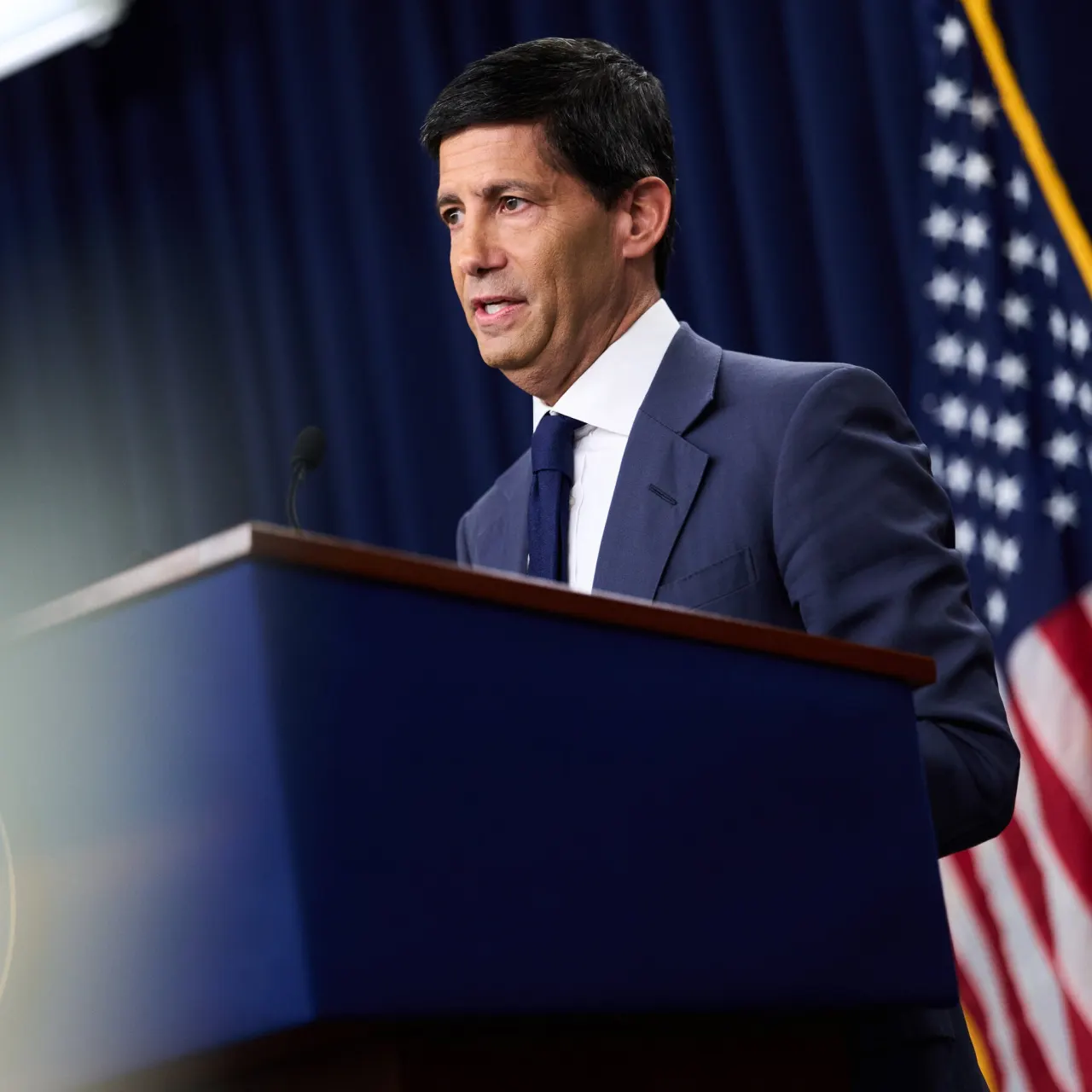
Federal Reserve Chair Kevin M. Warsh said the economic effects of the artificial intelligence boom remain uncertain, with the technology capable of lifting productivity and growth but also displacing workers or failing to deliver returns that match heavy investment. The Fed is modelling different outcomes as part of contingency planning, reflecting the potential consequences for employment, markets and monetary policy.
Warsh’s task force on productivity and jobs is one of five groups he has established to examine issues relevant to monetary policy. He said recent productivity growth was reasonably strong but had not clearly accelerated in a lasting way. The Fed’s Friday stability report found nearly 90 per cent of Wall Street respondents named AI-related risks as their top concern; on Monday, the S&P 500 fell more than 1.5 per cent and the Nasdaq more than 2 per cent during a sell-off in AI stocks.
In short
- The Fed is planning for several possible economic effects of AI.
- AI could boost productivity or displace workers.
- Nearly 90 per cent of Wall Street respondents flagged AI risks.
Steelman: both sides, in good faith
The strongest fair case each way — we don't pick a winner.
The case for
AI could raise productivity, support stronger economic growth and, over time, improve living standards. Since its effects on jobs, investment and inflation are uncertain, the Fed has a good-faith reason to model several outcomes so it can respond thoughtfully to risks affecting employment, markets and monetary policy.
The case against
The benefits may fall short of the heavy investment, while automation could displace workers and volatility in AI stocks could unsettle markets. There is also reason to be cautious about treating recent productivity growth as evidence of a lasting AI-driven acceleration, since the reported gains have not clearly established one.
Explained simply
The Federal Reserve is the United States’ central bank. It sets interest rates and works to keep prices stable and employment strong, so changes in productivity, jobs and financial markets can affect its decisions.
Artificial intelligence is software and computing that can perform tasks often associated with human thinking. Businesses are investing heavily in it, hoping it will help workers produce more; the scale of the investment has also raised questions about whether the gains will justify the cost and how work may change.
The Fed’s chair leads the central bank, while its researchers assess how economic changes could affect its goals. The effects of new technology can take years to show up in economy-wide figures, making it difficult to distinguish a lasting productivity shift from a temporary one.