Fed has ‘work to do’ if price rises don’t ease for Americans, Warsh says
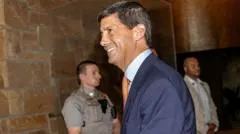
Federal Reserve chair Kevin Warsh said the US central bank may need to act if it cannot become confident that inflation is easing sufficiently. Although summer data was better than expected, he said the overall picture had not improved meaningfully, signalling that the Fed’s priority remains returning inflation to its 2% target.
US prices rose by 3.4% in the year to July, while the Fed kept interest rates at 3.5% to 3.75% in July for a fifth consecutive meeting. Warsh made the remarks at the Jackson Hole symposium ahead of the Fed’s 15-16 September decision, but rejected giving markets advance signals about future policy; higher oil prices linked to the US-Iran conflict have added to inflation and borrowing-cost concerns.
- Warsh says inflation remains the Fed’s main concern.
- July inflation was 3.4%, above the 2% target.
- The next US rate decision is due in September.
Both sides, in good faith
The strongest fair case each way — we don't pick a winner.
The case for
If inflation remains above the Fed’s 2% target, keeping rates sufficiently high or raising them could prevent price pressures from becoming entrenched and protect Americans’ purchasing power over time. Warsh’s reluctance to pre-commit also preserves the central bank’s ability to respond to new data, including the effects of higher oil prices.
The case against
Further rate rises could make mortgages, business loans and other borrowing more expensive, weighing on household budgets, investment and employment. With summer inflation data better than expected and oil-driven price increases potentially temporary, critics could argue that the Fed should avoid tightening too soon and assess whether existing rates are already bringing inflation down.