Technology news and discussion on TalkFuse.
Fed Is Modeling AI ‘Super Intelligence’ Scenarios, Including Job Losses and a Stock Market Slump
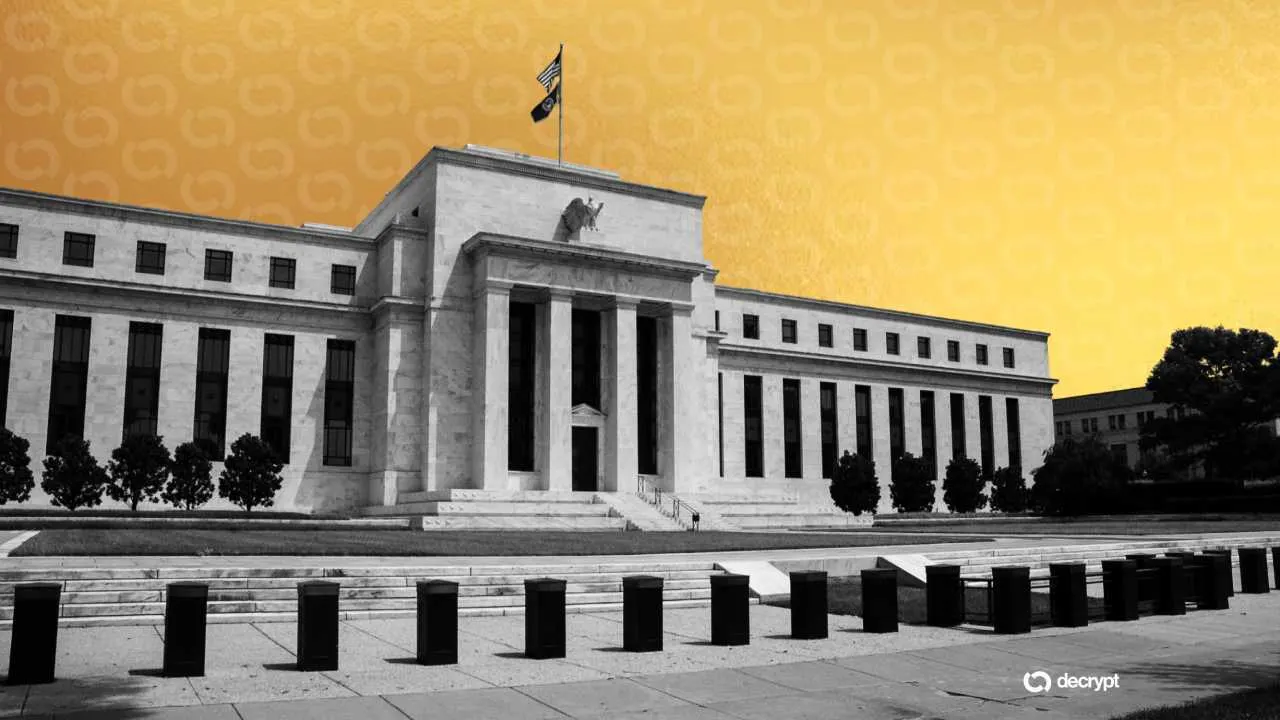
Federal Reserve Chair Kevin Warsh said central bank staff are modelling how artificial intelligence could affect the US economy over the coming years. The scenarios include productivity gains shared with workers, faster growth alongside rising unemployment, and an investment boom that falters and triggers falling share prices and weaker growth; Warsh stressed these are examples to examine, not forecasts.
The Federal Reserve estimates the potential maximum value of complex commitments linked to AI infrastructure, such as computing leases and energy contracts, exceeds $3 trillion, though these are not equivalent to debt already owed. Governor Michael Barr has warned that disappointing returns could spread problems beyond data centre builders. Warsh did not suggest a change in interest rates; the Fed’s next policy meeting is scheduled for 8 and 9 December.
In short
- The Fed is modelling three possible economic paths for AI.
- One scenario combines faster growth with rising unemployment.
- AI-related off-balance-sheet commitments could exceed $3 trillion.
Steelman: both sides, in good faith
The strongest fair case each way — we don't pick a winner.
The case for
Modelling a range of AI outcomes can help the Fed prepare for significant changes in productivity, employment and financial markets without assuming any one scenario will occur. Advocates of this approach would say that examining both gains and downside risks, including the scale of infrastructure commitments, supports better monitoring and more resilient policy decisions.
The case against
Critics could argue that publicising severe hypothetical outcomes may give speculative scenarios undue weight and unsettle markets, particularly when the cited commitments are potential maximum exposures rather than debt already owed. They might also question whether central bank attention to uncertain long-term scenarios risks distracting from current economic conditions or being read as a signal about future interest rates, despite Warsh’s clarification.
Explained simply
The Federal Reserve is the US central bank. It sets interest rates to help keep prices stable and support employment, and it also monitors risks to the financial system. Its chair, Kevin Warsh, leads its policy discussions, while governors such as Michael Barr help oversee its work.
Artificial intelligence could change how much businesses produce and how many workers they need. Companies are investing heavily in the computing centres and energy supplies that AI requires, often through long-term contracts; the commitments linked to this infrastructure could be worth more than $3 trillion at their maximum, but that figure is not the same as debt already owed.
The Fed studies possible outcomes to understand how changes might affect jobs, growth and financial markets. The effects could depend on whether productivity gains reach workers and businesses earn enough from their investments, since disappointing returns could affect companies and investors beyond the data centre sector.
AI Business Economy Markets Research Science Technology