Technology news and discussion on TalkFuse.
Fed officials expect to hike rates in December after last meeting marked by dissension: minutes
Developed over time first seen 14 hours ago
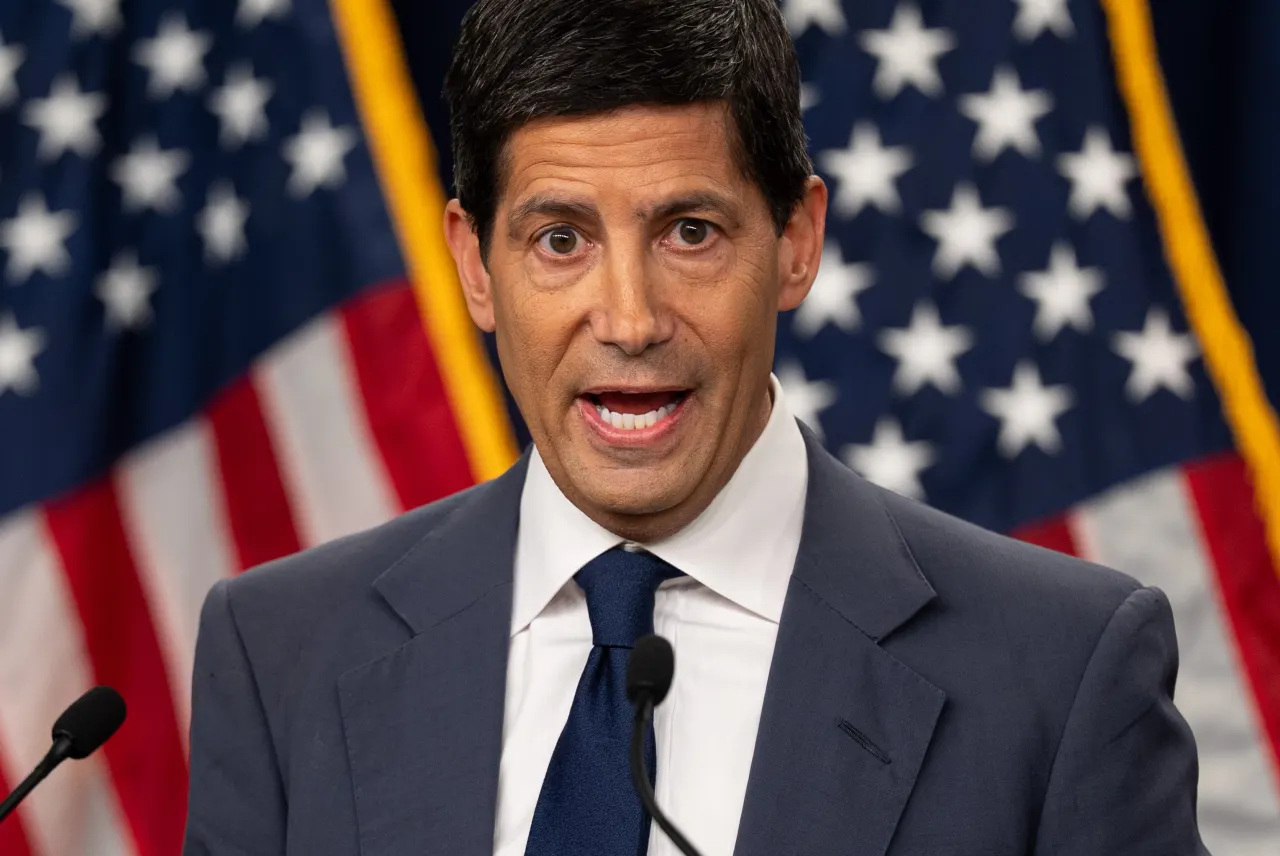
Minutes from the Federal Reserve’s October meeting show that nearly all policymakers expect to raise interest rates in December, as concern grows that inflation will remain persistent. The expected increase could also signal further hikes early next year, with higher rates likely to raise borrowing costs for households and businesses.
The Fed held its key rate at 3.9% in October, but two officials dissented in favour of raising it then. Two policymakers said a half-point increase should be considered in December, twice the usual move; investors put the odds of a hike at nearly 95%. Core inflation has run at about 3.5% annually over the past three months, above the Fed’s 2% target, while mortgage rates have topped 7%.
- Sources
- 2
- Outlets
- 2
- Left · Centre · Right
- 0 · 1 · 1
In short
- Nearly all Fed officials expect a December rate rise.
- Two policymakers raised the prospect of a larger, half-point increase.
- Core inflation is running above the Fed’s 2% target.
How this story developed
- 6 hours ago The newly released minutes show that nearly all Federal Reserve officials expect to raise interest rates in December, while some backed a rise at October’s meeting.
- 12 hours ago Minutes from the Federal Reserve’s October meeting show nearly all officials expect to raise interest rates in December, as concern grows that inflation will remain high.
- 12 hours ago Minutes from the Federal Reserve’s October meeting show that nearly all policymakers expect to raise interest rates in December, as concern grows that inflation will remain persistent.
Full account
Minutes from the Federal Reserve’s 27–28 October meeting indicate that almost all participants thought further interest rate increases would probably be appropriate to bring inflation back to the central bank’s 2 per cent goal. Officials left rates unchanged at about 3.9 per cent, saying they wanted more information before acting. The minutes were published three weeks after the meeting.
The discussion reflected concern that price pressures were widespread and could prove persistent. A vast majority of participants saw inflation risks even if falling energy costs and the effects of tariffs and investment in artificial intelligence eased. The second report particularly highlights officials’ view that AI-related demand could become a material source of inflation, alongside broader pressures across the economy.
Some participants favoured raising rates at the October meeting, and two officials formally dissented in support of an increase. The minutes also record that a couple of participants considered whether a larger-than-usual increase might be needed in December. They do not identify participants’ individual views or establish that all those who raised the possibility of a larger move have a vote on the decision.
The reports describe expectations of a December increase, while noting that the minutes themselves offer no firm commitment. The first says markets had priced in a high likelihood of a hike and notes that higher rates can feed through to borrowing costs. Both reports mention Governor Christopher Waller’s support for considering a half-point increase; the first adds his view that further increases beyond those commonly forecast might be necessary. The minutes’ account of officials’ discussion is broader than any single participant’s position.
Where outlets differ
From the full account, which is AI-written from the sources:
The first report foregrounds expectations for a December increase, market pricing, formal October dissents, and possible effects on household borrowing. The second focuses more on the policy debate, officials’ preference to wait for more information, and AI-related demand as an inflation risk.
The first specifies that two participants raised a possible half-point December increase and names the two October dissenters; the second says a couple of participants raised the possibility of a larger increase, without naming them. Neither account identifies who raised the December possibility. The first also notes uncertainty over whether that participant is a voting member.
Centre outlets 1
Only here: rate, hikes, worry, impact, inflation
Right-leaning outlets 1
- Fed officials expect to hike rates in December after last meeting marked by dissension: minutesNew York Post
Only here: hike, rates, december, meeting, marked
Every side used: officials, expect, minutes
Headline columns compared word for word; nothing in them is AI-written.
Steelman: both sides, in good faith
The strongest fair case each way — we don't pick a winner.
The case for
With core inflation still well above the Fed’s 2% target, raising rates could help restrain demand and reduce the risk that price rises become entrenched. Acting sooner may protect households’ purchasing power over time and preserve confidence that the Fed will meet its inflation goal.
The case against
Further rate rises could add to borrowing costs already weighing on people seeking mortgages and on businesses financing investment, while slowing hiring and economic activity. Officials may prefer to wait for clearer evidence that inflation is persistent, since policy changes take time to affect prices and a premature increase could cause unnecessary economic harm.
Explained simply
The Federal Reserve, often called the Fed, is the United States’ central bank. It sets a key interest rate that influences the cost of borrowing across the economy, including for mortgages, business loans and credit cards.
The Fed aims to keep inflation low and employment strong. When prices rise faster than its 2% target, it may raise interest rates to cool spending, though higher rates can also make borrowing more expensive for households and businesses.
The rate is decided by a committee of Fed officials, who can disagree about when or how much to change it. Their decisions affect financial markets and can influence borrowing costs beyond the United States.
Coverage · 2 sources
Bias meters
From 2 rated sources.
AI Business Economy Technology World