Politics news and discussion on TalkFuse.
Federal judge again blocks Trump’s mail ballot order just before midterms
Developed over time first seen 3 months ago
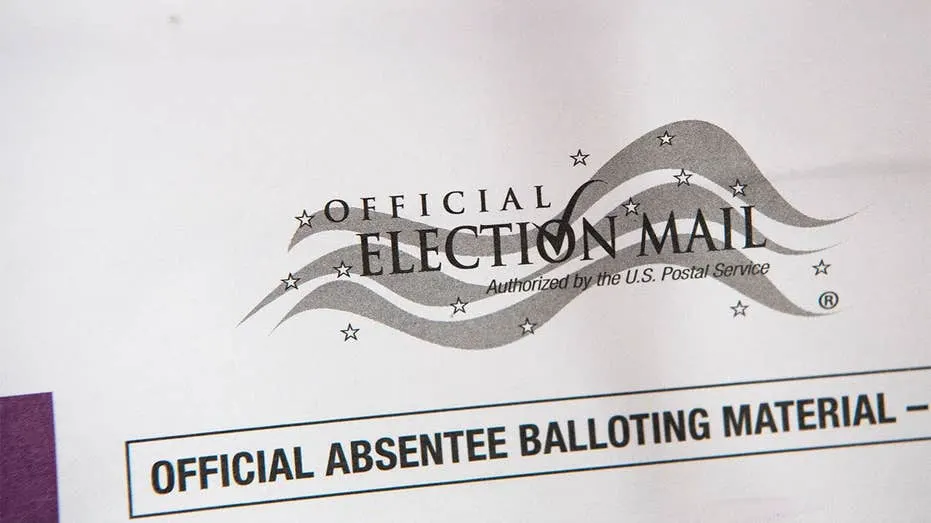
A federal judge has temporarily blocked a Trump administration rule that would impose new Postal Service requirements on states sending mail ballots, with the midterm elections approaching. The ruling pauses the measure for 14 days, giving states and voting-rights groups relief from immediate changes they argue would disrupt election preparations and exceed federal authority.
Judge Indira Talwani said states lacked the time and funding to redesign ballots, alter election systems and submit voter information through a USPS portal before voting begins. The Postal Service said non-compliant ballots would not be accepted, while opponents argued the rule interferes with states’ constitutional role in setting election procedures; a hearing is scheduled for 3 September and an appeal is expected.
- Sources
- 2
- Outlets
- 1
- Left · Centre · Right
- 0 · 0 · 2
In short
- Judge pauses new USPS mail-ballot requirements for 14 days
- States cite insufficient time to meet the rule
- The dispute could return to the Supreme Court
How this story developed
- 3 months ago A federal judge has temporarily blocked a Trump administration rule that would impose new Postal Service requirements on states sending mail ballots, with the midterm elections approaching.
Full account
A federal judge has temporarily stopped a new US Postal Service rule linked to President Donald Trump’s efforts to tighten conditions around postal voting, days before states are expected to begin sending some midterm ballots. US District Judge Indira Talwani issued a 14-day restraining order preventing enforcement while the dispute proceeds; a hearing is set for 3 September.
The latest ruling follows a recent Supreme Court decision that removed an earlier block on procedural grounds. The justices did not decide whether the underlying presidential order was lawful, instead concluding that the previous challenge had come before agencies had taken sufficiently concrete action. After the Postal Service issued a formal rule, Democratic-led states and voting-rights organisations filed fresh cases.
According to the challenge, states would have to provide specified recipient information through a Postal Service portal and comply with new envelope and barcode standards for outgoing postal ballots to be accepted. The plaintiffs say they cannot redesign ballots, alter election systems, obtain approvals, arrange printing and train staff in time for the midterms. They argue that setting election procedures is principally a matter for states and Congress, rather than the president or the Postal Service.
The administration’s position is that the rule concerns postal processing rather than eligibility to vote by post, which remains under state control. Supporters of the order say the Supreme Court’s earlier intervention confirmed that states must show an actual or imminent injury, not simply concern about possible future federal action. The Postal Service rule may now face a renewed appeal, potentially bringing the issue back before the Supreme Court.
Where outlets differ
From the full account, which is AI-written from the sources:
Source 1 centres on Judge Talwani’s new restraining order, the practical timetable for ballot preparation and the objections raised by states and voting-rights groups.
Source 2 concentrates on the earlier Supreme Court ruling and presents the analysis of former White House deputy counsel Gene Hamilton, who characterises it as a standing decision rather than a ruling on the policy’s legality.
Source 1 gives greater prominence to the plaintiffs’ constitutional argument and the Postal Service’s stated delivery conditions; Source 2 discusses other elements of the wider executive order, including citizenship-list work and Justice Department enforcement priorities.
Steelman: both sides, in good faith
The strongest fair case each way — we don't pick a winner.
The case for
Temporarily blocking the rule gives states time to prepare for the approaching election and avoids imposing costly changes to ballots, election systems and voter-data processes on a compressed timetable. Supporters of the ruling argue that election administration is primarily a state responsibility, so federal requirements that could affect whether ballots are accepted need clear legal authority and careful scrutiny.
The case against
The administration can argue that common Postal Service requirements are needed to process mail ballots consistently and reliably, and that pausing the rule risks undermining those aims just before an election. It may also contend that states should comply with valid federal rules governing the postal system, while the courts assess whether the requirements exceed federal authority.
Explained simply
In the United States, elections are run mainly by state and local governments. They decide how people register and vote, including how mail ballots are prepared and returned.
The federal government oversees the US Postal Service, which delivers mail ballots. The dispute is about whether it can require states to follow new procedures for sending those ballots. States and voting-rights groups say changing systems close to an election could cause disruption; the administration says the postal requirements should apply.
The midterms are elections held halfway through a US president’s four-year term, when voters choose members of Congress and often state and local officials. They matter because the results can change which party controls Congress and affect what laws can pass.
Coverage · 2 sources
Bias meters
From 2 rated sources.
Elections Government Politics World