Culture news and discussion on TalkFuse.
Federal Judge Delays Paramount-Warner Bros. Settlement Approval, Citing Political and Legal Concerns
Developed over time first seen 2 months ago
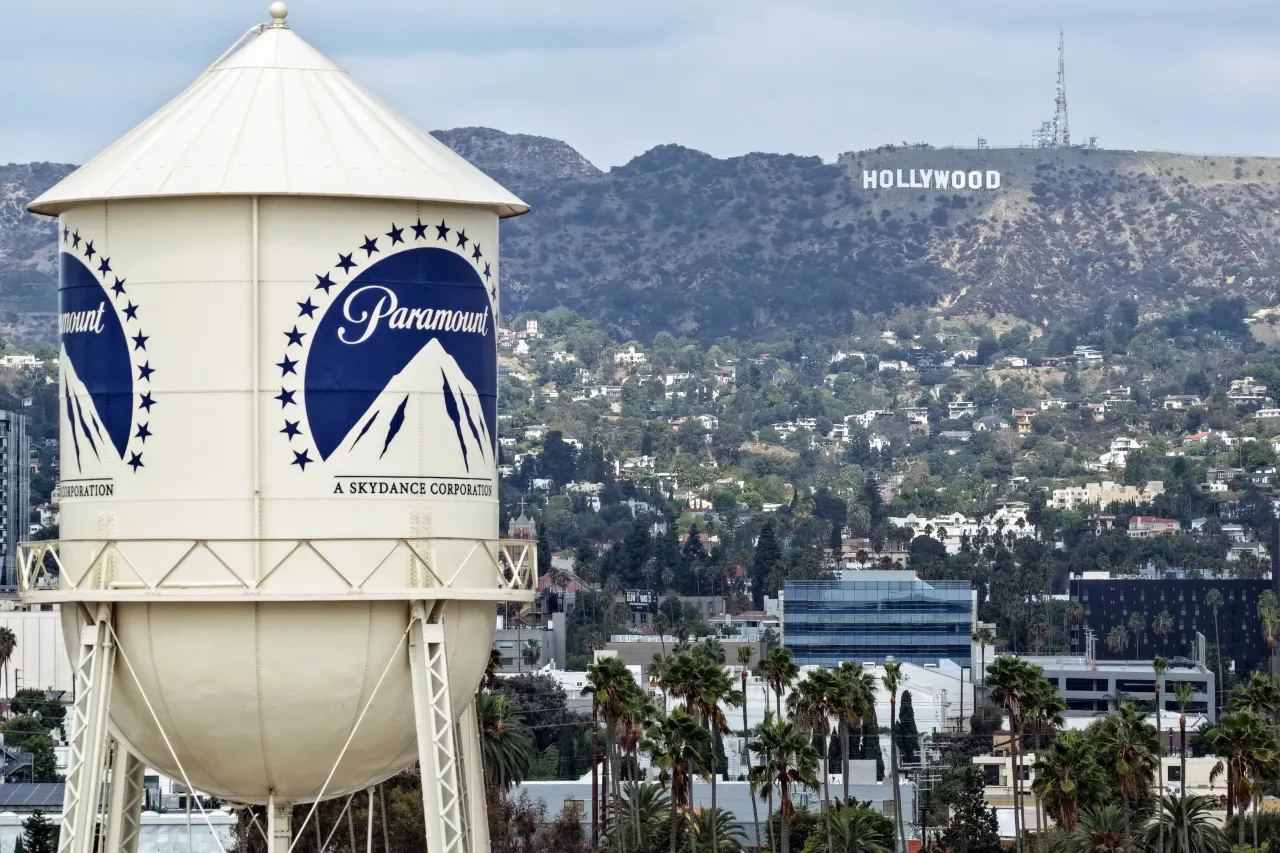
A federal judge has delayed approval of the settlement clearing Paramount’s proposed $111 billion acquisition of Warner Bros. Discovery, seeking further scrutiny of its legal and factual basis. The delay highlights concerns that political influence and corporate pressure may have weakened the antitrust process, while the merger would significantly increase media concentration and could lead to substantial job losses.
Paramount reached agreements with attorneys general from 12 states, including New York, and the Writers Guild of America to resolve antitrust lawsuits filed last July. New York Mayor Zohran Mamdani criticised the deal as a threat to competitive and independent media, while praising Attorney General Letitia James for securing worker protections; his intervention followed a cordial meeting with President Donald Trump, whose political allies are linked to the transaction.
- Sources
- 4
- Outlets
- 2
- Left · Centre · Right
- 0 · 0 · 0
In short
- Judge pauses settlement approval over legal and political concerns
- $111bn merger could reshape Hollywood and cause significant layoffs
- Mamdani attacks media consolidation after meeting Trump amiably
How this story developed
- 2 months ago A federal judge has paused approval of a settlement between state attorneys general and the proposed Paramount–Warner Bros. Discovery merger, scheduling a hearing to examine whether the agreement adequately addresses antitrust concerns.
- 2 months ago A federal judge has delayed approval of the settlement clearing Paramount’s proposed $111 billion acquisition of Warner Bros. Discovery, seeking further scrutiny of its legal and factual basis.
- Variety Rob Bonta Sued Paramount to Counter Political Influence, Then Fell Victim to It
- Variety Judge in Paramount-State AGs Case Still Has Questions, Schedules Hearing on Settlement Terms
- Deadline Mamdani condemns Paramount–Warner Bros merger as threat to media independence
- Deadline Judge schedules hearing on Paramount-Warner Bros Discovery settlement
Full account
A federal judge has postponed approval of a settlement agreement between Paramount and state attorneys general concerning the proposed merger with Warner Bros. Discovery. U.S. District Judge Araceli Martinez-Olguin issued an order on Tuesday signalling that whilst the parties had reached a proposed accord, she harboured unresolved concerns about the arrangement's legal foundations and practical implementation. Rather than granting immediate approval, the judge convened a hearing for 24 September to scrutinise these matters in detail via videoconference. The judge simultaneously cancelled a previously scheduled hearing regarding whether state attorneys general should post a $1.88 billion bond pending litigation, as the settlement agreement rendered this procedural question moot.
The settlement, announced on Monday, represents an agreement between Paramount and attorneys general from twelve states, alongside a separate accord with the Writers Guild of America. The combined entity would commit to releasing at least thirty theatrical films annually for the opening two years following merger completion, increasing to thirty-two thereafter, each receiving an exclusive forty-five-day wide-release window. Paramount would face restrictions on divesting the Paramount Studios or Warner Bros. production facilities within the state for five years, and must invest an additional $300 million annually in American film production, totalling $1.5 billion over five years. The arrangement establishes an independent board to oversee CNN and CBS News editorial standards. Chief Executive David Ellison expressed expectation that merger completion would occur within approximately fourteen days of judicial approval.
The settlement emerged following months of intense political engagement that considerably complicated the original antitrust action. California's Attorney General Rob Bonta initiated litigation alleging that a combined entity would exercise excessive market control over wide-release theatrical productions and cable services. Initially, Bonta insisted that only structural remedies involving asset divestment would satisfy his objections, yet the eventual settlement contains no such provisions. Governor Gavin Newsom's encouragement that Bonta negotiate a resolution, combined with Paramount's threat to relocate production operations to Tennessee, substantially altered the case's trajectory. Some observers questioned the antitrust claim's legal merit, and support from industry unions had diminished before the agreement was reached.
The delayed approval has prompted broader scrutiny of antitrust enforcement and political influence on regulatory decisions. New York's Mayor Zohran Mamdani publicly criticised the settlement as insufficiently preventing media consolidation, whilst Paramount's Chief Executive maintains established relationships with senior federal officials. State attorneys general across multiple jurisdictions have increasingly undertaken antitrust actions following what they characterise as diminished enforcement from the federal Department of Justice. The judge's decision to conduct a full hearing rather than summarily approve the agreement signals judicial concern regarding the adequacy of protections contained within the accord, and may reflect broader wariness about how state-level officials navigate competing legal and political considerations.
Where outlets differ
From the full account, which is AI-written from the sources:
Source 1 emphasises the legal procedures and settlement terms with neutrality; Source 2 heavily stresses political interference by Governor Newsom and Paramount's relocation threat, characterising them as decisive factors that weakened Bonta's negotiating position
Source 2 questions the original case's legal merit and mentions wavering industry support; Sources 1 and 3 present the settlement as a straightforward legal resolution without such critical analysis
Source 4 introduces political criticism from Mayor Mamdani and the Trump-Ellison connection as context; other sources do not address this external political dimension
Source 2 frames the settlement as Bonta abandoning his position in exchange for modest concessions; Source 1 presents the terms neutrally without this interpretive framing
Steelman: both sides, in good faith
The strongest fair case each way — we don't pick a winner.
The case for
The settlement represents a reasonable compromise that secured meaningful protections for creative workers through the Writers Guild agreement whilst allowing two large media companies to combine in ways that could enhance their competitive capability globally. Media consolidation, whilst requiring vigilance, can produce legitimate efficiency gains and investment capabilities that benefit consumers through better content and services. The antitrust process involved multiple state attorneys general and union negotiation, reflecting appropriate stakeholder engagement.
The case against
Media concentration poses genuine risks to democratic discourse and public interest when control over major news and entertainment platforms narrows to a handful of corporations. The judge's insistence on closer scrutiny signals legitimate concerns that political influence may have weakened rigorous antitrust analysis, particularly given apparent connections between transaction backers and current political leadership. Job losses and reduced editorial independence are concrete harms that outweigh efficiency arguments, especially in an already highly consolidated industry.
Explained simply
Paramount and Warner Bros. Discovery are two major American media companies that together own numerous film studios, television networks and streaming services. Paramount has proposed acquiring Warner Bros. Discovery in a deal valued at around $111 billion, which would merge these large media operations into a single corporation and give one company control over a much larger share of entertainment content and distribution.
When two large companies want to merge, the process must clear antitrust laws designed to prevent any single corporation from gaining excessive market power. Last year, antitrust lawsuits were filed against the Paramount-Warner Bros. deal by a group of state attorneys general and the Writers Guild of America, who argued the merger would harm competition and workers. Recently, Paramount reached a settlement agreement with representatives from 12 states and the Writers Guild, intended to resolve these legal challenges and allow the deal to proceed.
A federal judge has now paused approval of that settlement, expressing concerns that the agreement may not have been reached through a proper legal process. The judge's hesitation reflects questions about whether political pressure or other influence affected how both the companies and the government representatives approached the settlement, and whether enough scrutiny was applied to determine whether the merger would genuinely serve the public interest.
Coverage · 4 sources
- VarietyJudge in Paramount-State AGs Case Still Has Questions, Schedules Hearing on Settlement Terms
- VarietyRob Bonta Sued Paramount to Counter Political Influence, Then Fell Victim to It
- DeadlineJudge schedules hearing on Paramount-Warner Bros Discovery settlement
- DeadlineMamdani condemns Paramount–Warner Bros merger as threat to media independence
Art Business Companies Culture Government Politics Research Science