Culture news and discussion on TalkFuse.
Federal judge holds DHS in contempt over Los Angeles immigration sweeps
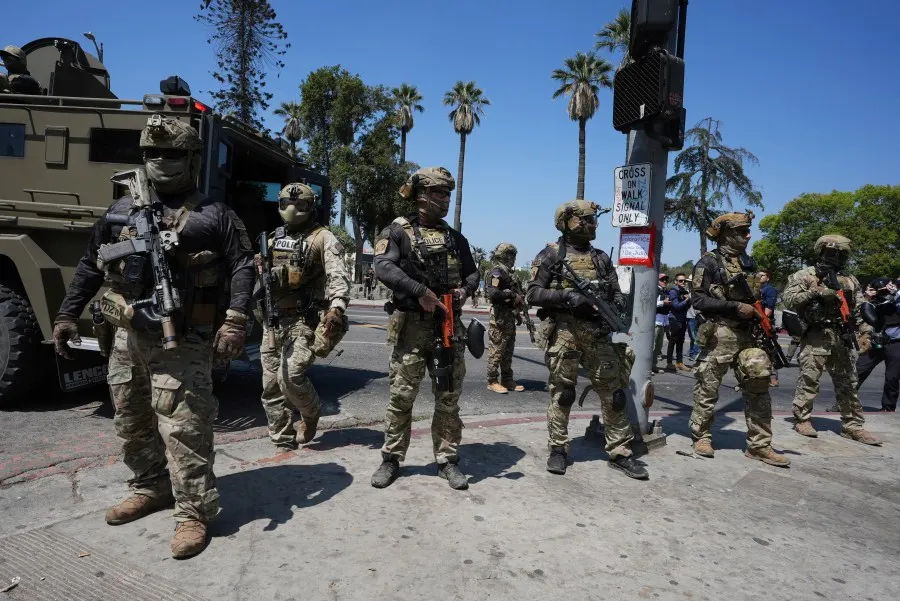
A federal judge in California has held the Department of Homeland Security in civil contempt of court for failing to comply with an order requiring it to forensically search and hand over personal mobile phone communications belonging to immigration agents involved in raids across Los Angeles. The ruling, made by US District Judge Maame Ewusi-Mensah Frimpong, marks a significant escalation in an ongoing legal battle over the conduct of federal immigration enforcement operations in the city, and underscores mounting judicial frustration with the agency's compliance with court oversight.
According to the unsealed order, dated 28 July, DHS had repeatedly delayed producing digital copies of communications from agents' personal cellphones despite being directed to do so months earlier as part of litigation over the legality of the Los Angeles sweeps. The judge found the agency's conduct amounted to contempt and imposed fines as a consequence, though the department has not publicly detailed how it intends to respond. The case forms part of a wider dispute over immigration enforcement tactics used in Los Angeles this year, which has drawn sustained scrutiny from the courts.
In short
- Judge Frimpong held DHS in civil contempt over Los Angeles immigration raids
- DHS failed to hand over agents' cellphone communications as ordered
- Judge imposed fines; order was unsealed and dated 28 July
Steelman: both sides, in good faith
The strongest fair case each way — we don't pick a winner.
The case for
Those supporting the contempt ruling emphasise that judicial oversight of executive power is foundational to constitutional governance. When courts issue lawful discovery orders, agencies must comply; permitting DHS to ignore this order would undermine the rule of law and render judicial authority meaningless. The communications are directly relevant to evaluating whether the sweeps complied with legal requirements, and access to evidence is essential for fair judicial review. Without meaningful enforcement mechanisms like contempt sanctions, executive agencies would face no real incentive to obey court orders.
The case against
Those defending DHS's position contend that forensic searches of personal mobile devices are extraordinarily intrusive, implicating privacy rights of federal agents and raising proportionality concerns beyond the core legal issues about the sweeps themselves. The burden of producing vast amounts of personal communications may exceed what is genuinely necessary for litigation. DHS may have encountered legitimate technical or operational challenges in complying despite months of notice. Contempt sanctions are a severe remedy, and less burdensome means of obtaining specifically relevant communications might have sufficed to evaluate the sweeps' legality.
Explained simply
The Los Angeles immigration sweeps are federal operations to find and detain people suspected of being in the US without legal permission. The Department of Homeland Security oversees the agencies carrying out immigration enforcement, including Immigration and Customs Enforcement.
The legality and conduct of the sweeps are being challenged in court. In that case, a judge ordered DHS to search agents’ personal phones for messages linked to the operations and provide copies to the parties involved. Such records can help the court examine how the enforcement actions were planned and carried out.
Art Culture Government Politics