Culture news and discussion on TalkFuse.
Federal judge orders DOJ to ensure poll monitors are not law enforcement officials
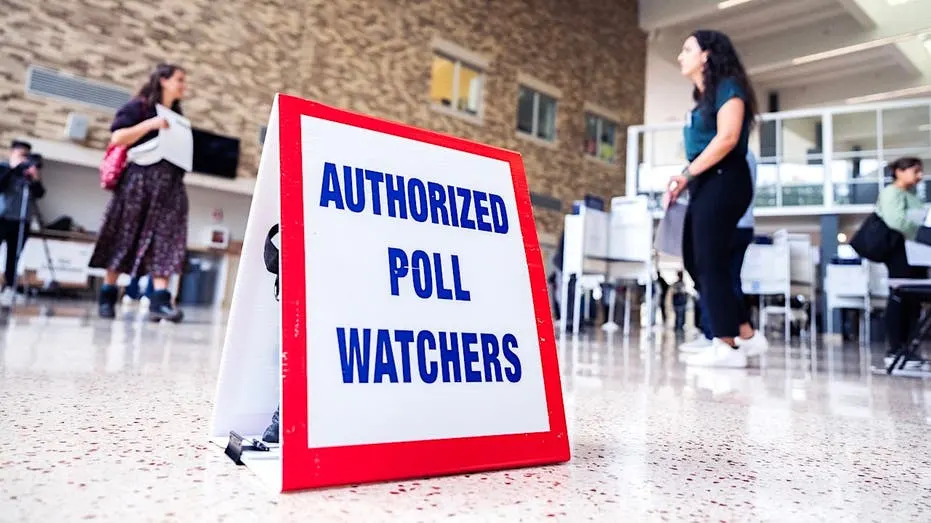
A federal judge has allowed the Justice Department to send election monitors to polling places on Election Day, rejecting the NAACP’s request to block the programme. Judge Reggie Walton ruled that the evidence did not show the group was likely to succeed in arguing that the deployment would intimidate voters or interfere with their rights.
Walton ordered the department to ensure monitors are administrative or clerical staff, unarmed, out of uniform and without agency insignia, and unable to make arrests. They must not interfere with voters or election officials, and may speak to voters outside polling places only after they have voted. The ruling followed allegations that more than 1,000 federal personnel could be deployed; the department said it excluded sworn officers from the programme.
In short
- A judge rejected the NAACP’s bid to block federal election monitors.
- Monitors must be unarmed, unidentified and unable to make arrests.
- The Justice Department said sworn officers were excluded.
Steelman: both sides, in good faith
The strongest fair case each way — we don't pick a winner.
The case for
Allowing federal monitors can help ensure election rules are followed and give voters confidence that polling places are being administered properly. The judge found the evidence insufficient to show the programme was likely to intimidate voters or interfere with their rights, and imposed limits to keep monitors unarmed, unobtrusive and unable to arrest anyone.
The case against
Even clerical monitors may make voters feel watched or deter participation, particularly in communities with reasons to distrust law enforcement; a large federal presence could also disrupt polling or pressure election staff. The NAACP’s request to block the programme reflects the view that these risks warrant stronger safeguards than limits on uniforms, weapons and conduct.
Explained simply
The Justice Department is a US government department that enforces federal laws. It has sometimes sent staff to observe elections, while civil rights groups such as the NAACP, which campaigns against racial discrimination, have raised concerns that federal presence at polling places could discourage people from voting.
In the United States, elections are largely run by state and local officials, and rules about who may be near polling places vary. Federal election monitors are meant to observe how voting is conducted; they are separate from local poll workers, who help voters and manage the process.
The distinction matters because voters must be able to cast ballots without pressure, while election rules also need to be followed. Limits on monitors’ powers and conduct help define their role and reduce the risk of disrupting voting.
Art Culture Elections Politics World