US prepares to modernise vehicle headlight standards for adaptive technology
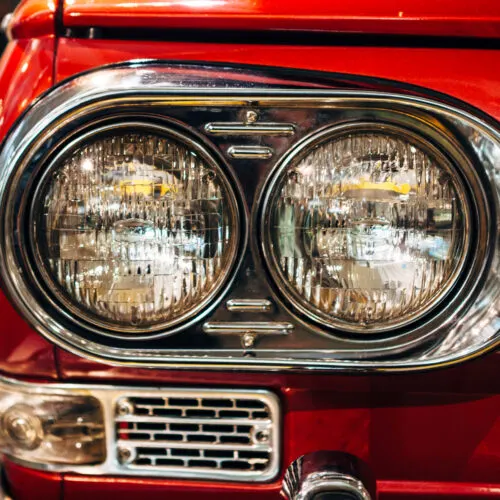
The US federal government is preparing to overhaul vehicle headlight regulations that have prevented automakers from deploying advanced lighting technologies widely available in Europe and Japan. The National Highway Traffic Safety Administration (NHTSA) will undertake a negotiated rulemaking process to modernise the Federal Motor Vehicle Safety Standards, aiming to reduce glare whilst enabling innovations such as adaptive LED beam matrices and automatic high beams. This update is significant because current rules have kept American automotive lighting technology behind global counterparts for years.
Current regulations permit only basic high- and low-beam headlights, despite advanced adaptive lighting having long been available elsewhere. A previous rulemaking effort initiated by Toyota's 2013 petition took nine years before a final rule was published in 2022, highlighting how slow regulatory change had been. The US regulatory system differs fundamentally from Europe's: American manufacturers self-certify compliance with NHTSA standards, whilst European vehicles undergo type approval testing. The NHTSA's goals include harmonising US standards with global counterparts, updating rules for LED and sensor technologies, improving headlight aiming procedures, and eliminating glare that could impair vision for other road users.
- US headlight rules are being modernised to allow advanced LED beam technology.
- Current regulations only permit basic high-low beams, lagging behind Europe and Japan.
- Previous regulatory changes took nine years, illustrating how slow the process had been.
New here? Start with this
American vehicle headlight regulations are about to be modernised to allow advanced lighting technology that has been standard in Europe and Japan for years. Currently, US rules only permit basic high and low beam headlights, despite adaptive LED systems and automatic high beams being available globally. The National Highway Traffic Safety Administration (NHTSA) is leading this overhaul because American manufacturers have fallen behind in this technology.
Regulatory change has been slow: a petition from Toyota in 2013 took nine years before new rules were finally introduced in 2022. The NHTSA plans to update safety standards for modern LED and sensor technologies, reduce glare to protect other drivers, improve headlight aiming procedures, and align American rules more closely with global standards. This modernisation will make it easier for global car manufacturers to sell vehicles in the US without significant redesign.
Both sides, in good faith
The strongest fair case each way — we don't pick a winner.
The case for
Adaptive lighting technology has operated successfully across Europe and Japan for years, delivering measured safety improvements through enhanced driver vision and illumination. Modernising US standards would enable manufacturers to deploy these proven innovations, bring American regulations into alignment with global counterparts, and improve road safety—whilst the updated standards specifically address glare concerns to protect oncoming drivers and pedestrians.
The case against
Current headlight regulations prioritise protecting oncoming drivers and pedestrians from glare-induced vision impairment. Whilst adaptive lighting operates safely in other markets, regulatory caution is warranted when changes could affect the safety of all road users, not just vehicle occupants, and the deliberate pace of prior rulemakings reflects justified complexity in balancing driver visibility improvements against potential risks to vulnerable parties.
Read the full article at the source →
Originally published by Ars Technica as “Feds get ready to rewrite car headlight rules”.