Business news and discussion on TalkFuse.
Fed’s Waller Calls for 50-Basis-Point Rate Hike, Says Tokenized Finance Still Needs Traditional Banks
Developed over time first seen 23 hours ago
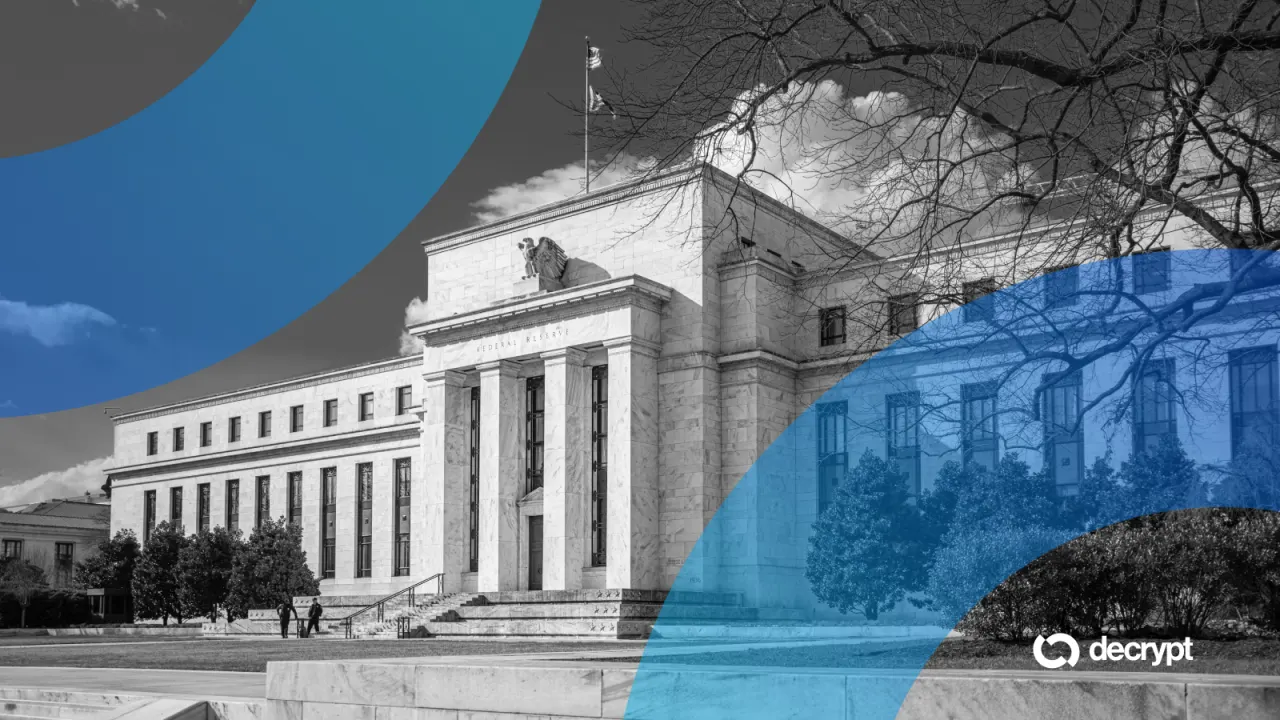
Federal Reserve Governor Christopher Waller has argued that persistent inflation may require a half-percentage-point interest-rate rise in December, rather than the quarter-point move markets largely expect. He said the Fed should either make the larger increase at its 8-9 December meeting or clearly signal another rise in January, to prevent businesses and consumers from accepting inflation near 3% as normal.
Waller cited three consecutive months of 0.3% core consumer-price increases, including October, when headline prices rose 0.4% and core prices rose 0.3%. A half-point rise would take the Fed’s benchmark rate from 3.75%-4% to 4.25%-4.50%; market pricing put the likelihood of that move at about 5%, versus 95% for a quarter-point rise. Separately, Waller said tokenised finance could enable securities trading beyond conventional hours, with payments and assets exchanged together through smart contracts, while still relying on established banks and payment infrastructure.
- Sources
- 3
- Outlets
- 3
- Left · Centre · Right
- 0 · 2 · 0
In short
- Waller wants a half-point Fed rate rise in December.
- He warns inflation near 3% could become accepted as normal.
- Tokenised markets could still depend on banks and existing payment systems.
How this story developed
- 13 hours ago New coverage adds Waller’s view that tokenised markets would still depend on established payment infrastructure and banks, even as blockchain networks could change how securities and payments are handled.
- 20 hours ago Federal Reserve Governor Christopher Waller said the Fed may need to raise interest rates by half a percentage point in December, arguing that persistent inflation risks making price rises near 3% seem normal.
- 20 hours ago Federal Reserve Governor Christopher Waller has argued that persistent inflation may require a half-percentage-point interest-rate rise in December, rather than the quarter-point move markets largely expect.
Steelman: both sides, in good faith
The strongest fair case each way — we don't pick a winner.
The case for
A half-point increase could show that the Fed is serious about preventing persistent inflation from becoming entrenched, especially after several months of firm core prices. A clear, decisive move may help preserve the bank’s credibility and keep expectations anchored, even if markets currently expect a smaller rise.
The case against
A half-point increase could tighten financial conditions more sharply than needed, raising borrowing costs for households and businesses and risking avoidable harm to employment and growth. With markets expecting a quarter-point move, a larger increase could also unsettle investors; the Fed could instead raise rates by a quarter point and signal that further action depends on incoming data.
Explained simply
The Federal Reserve is the US central bank. It sets a key interest rate that influences borrowing costs across the economy, and it aims to keep prices stable while supporting employment.
Christopher Waller is one of the Fed’s governors, who help decide interest-rate policy. Inflation measures how quickly prices rise; when it stays high, the Fed may raise rates to make borrowing more expensive and cool spending, though this can also slow economic activity.
Tokenised finance uses digital records of assets such as shares or bonds, which could make trading and payment happen together at any time. Even if these systems change how transactions work, they may still depend on banks and existing financial networks.
Coverage · 3 sources
Bias meters
From 2 rated sources, 1 unrated.