Culture news and discussion on TalkFuse.
FEMA’s ‘Shadow Administrator’ Was Paid by a DOGE Member’s Startup for Months
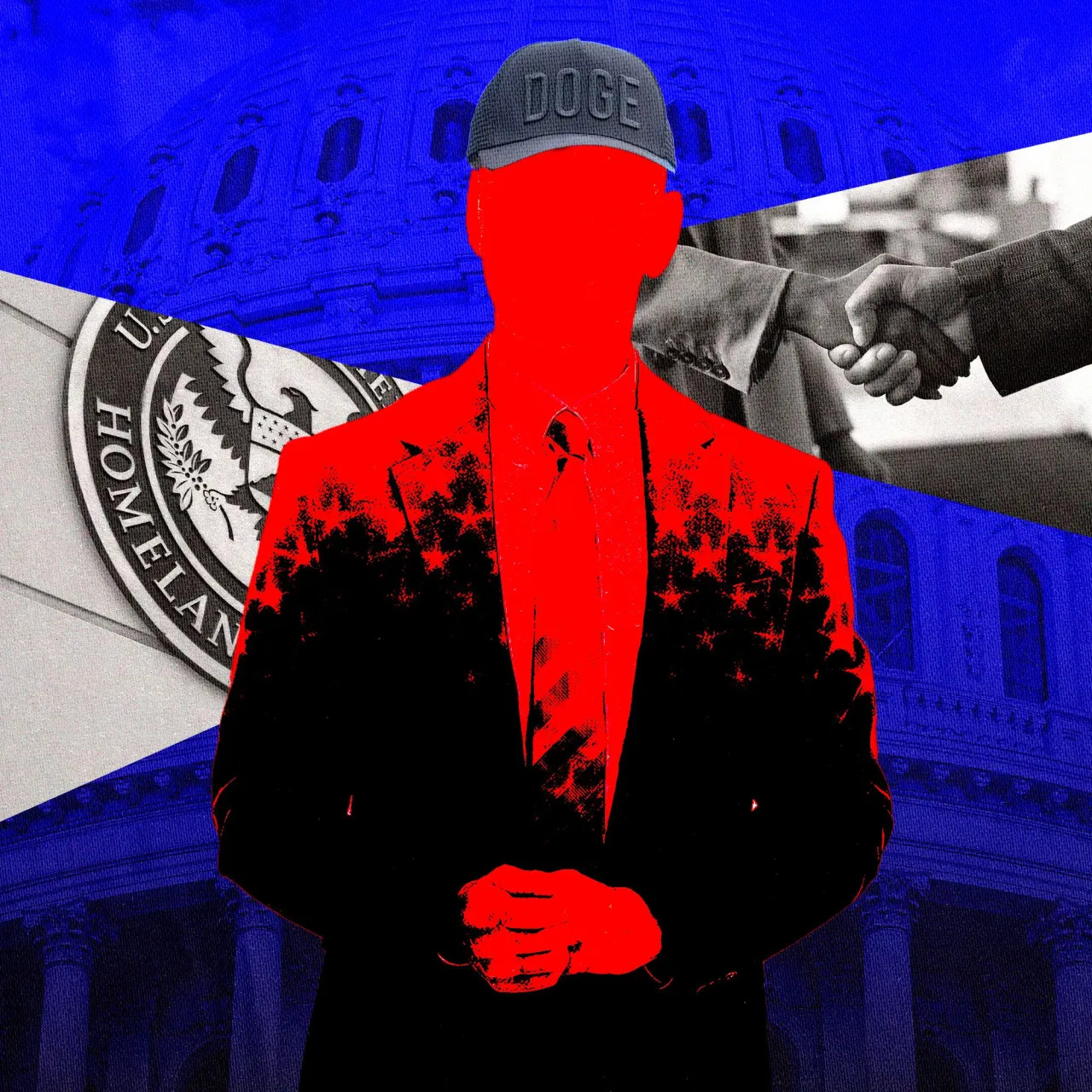
Court filings indicate that Kara Voorhies, a FEMA contractor described as the agency’s “shadow administrator”, was subcontracted by a company owned by DOGE operative Kyle Schutt while working in government. The arrangement raises questions about conflicts of interest and whether an outside contractor exercised influence over FEMA spending and grant decisions that may be considered inherently governmental functions.
Voorhies joined DHS in April 2025 without previous government experience and was not paid directly by the government; special government employees face fewer disclosure requirements and may work up to 130 days annually. She said she reviewed contract and grant memos exceeding $100,000 and helped review and terminate grants, while denying decision-making authority; Democratic lawmakers have alleged she had unusually broad power over contracts, grants and punishment of entities. DHS, Voorhies and Schutt did not respond to WIRED’s requests for comment.
In short
- FEMA contractor had links to a DOGE member’s company.
- Filings raise conflict-of-interest and oversight concerns.
- Voorhies reviewed major grants and contracts.
Steelman: both sides, in good faith
The strongest fair case each way — we don't pick a winner.
The case for
Special government employees are a standard, legitimate mechanism for bringing outside expertise into government agencies, and SGEs are specifically designed for temporary advisory roles without full employment overhead. If Voorhies's responsibilities involved reviewing and recommending on grant and contract matters rather than making final decisions, this would constitute advisory functions consistent with SGE roles. The involvement of someone connected to DOGE may reflect alignment around government efficiency objectives, and the streamlined disclosure requirements for SGEs reflect their temporary and advisory nature.
The case against
A contractor with financial ties to a DOGE operative exercising influence over federal grants and contracts exceeding $100,000 presents a clear conflict of interest that undermines government accountability. Even if Voorhies formally lacked decision-making authority, her role as 'shadow administrator' reviewing grants before termination suggests substantial practical influence over significant federal spending. The reduced transparency requirements for SGEs become problematic precisely when conflicts exist. The lack of response from DHS and the unusual access granted to someone without prior government experience raises legitimate concerns about whether proper ethics review and oversight procedures were followed.
Explained simply
FEMA is the US agency that helps communities prepare for and recover from disasters, including by administering grants and contracts. It sits within the Department of Homeland Security, and its decisions can affect how public money reaches local authorities and other organisations.
Kara Voorhies worked for DHS as a contractor, while Kyle Schutt was a government technology operative whose company subcontracted her. The filings describe her as a “special government employee”, a category that allows limited government service and has different disclosure rules from regular federal employment.
The central issue is where support from an outside contractor ends and government decision-making begins. Reviewing or influencing grants and contracts can raise questions about oversight, conflicts of interest and who is accountable for decisions involving public funds.
Art Business Celebrity Companies Culture Entertainment Government Markets Politics