Culture news and discussion on TalkFuse.
FIFA backs off World Cup private equity pitch after global fury: 5 things to know
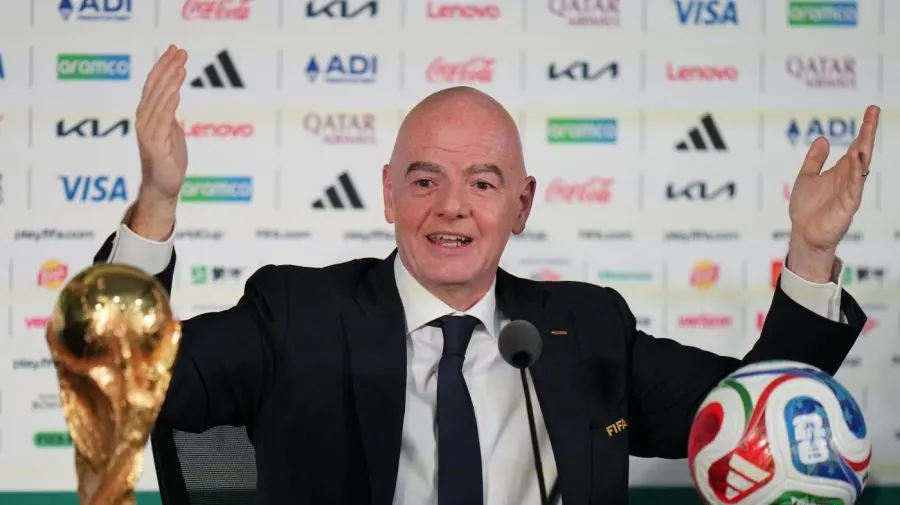
FIFA has abandoned a proposal to bring private investors into a new commercial company managing revenues from the World Cup and other major tournaments, following strong opposition across football. The retreat matters because the plan had raised concerns about governance, the future ownership of football’s most valuable competitions and FIFA president Gianni Infantino’s leadership.
– The proposed FIFA Forward Enterprise was valued at about $20 billion and would have sold a minority stake to raise up to $4.2 billion. – FIFA said the money would support football development, including funding for its 211 member associations. – European governing body UEFA and domestic leagues objected, arguing that the World Cup should not be treated as a private-equity asset. – UEFA members had threatened to boycott FIFA competitions, including the World Cup, if the proposal proceeded. – Reports linked prospective investors to the Kushner family, while senior FIFA adviser Carlos Cordeiro resigned in protest.
In short
- FIFA withdrew its private-equity plan after widespread opposition.
- The proposal sought $4.2 billion for a minority stake.
- UEFA’s boycott threat intensified pressure on FIFA.
Steelman: both sides, in good faith
The strongest fair case each way — we don't pick a winner.
The case for
FIFA's proposal offered a pragmatic solution to fund football development across its 211 member associations, particularly in less wealthy nations struggling to develop grassroots programmes. The $4.2 billion raised through a minority stake would have meaningfully accelerated youth development and technical infrastructure worldwide whilst FIFA retained operational control. Professional investors bring financial expertise that improves efficiency and accountability, ensuring funds are properly deployed rather than dispersed through opaque channels.
The case against
Football's most valued competitions must remain governed by football itself, not become assets for external financial interests to profit from. Introducing minority shareholders risks compromising FIFA's autonomy and accountability whilst creating conflicts between investor returns and football's welfare. UEFA and domestic leagues correctly recognised that treating the World Cup as a commercial asset sets a dangerous precedent, allowing profit motives to influence decisions about sport's most sacred competition. Football should invest its own enormous revenues through transparent, democratically accountable structures that keep governance in football's hands.
Explained simply
FIFA is the international body that runs the men’s and women’s World Cups and distributes money to football associations in 211 countries and territories. Gianni Infantino has led FIFA since 2016. Its tournaments bring in large revenues from broadcasting, sponsorship and ticket sales.
A proposed company, FIFA Forward Enterprise, would have managed income from the World Cup and other major tournaments. FIFA said selling a minority stake could raise up to $4.2 billion for football development, but critics questioned whether private investors should have a role in competitions central to the sport.
European football body UEFA and domestic leagues opposed the proposal, and some UEFA members threatened to boycott FIFA competitions if it went ahead. The dispute drew attention to how FIFA makes decisions about football’s most valuable events and who should benefit from their revenues.
Art Culture Football Politics Sport