FIFA hits back at international revolt over Gianni Infantino’s plan to sell World Cup shares
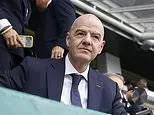
FIFA has responded to opposition from national football bodies over proposals associated with Gianni Infantino to sell stakes linked to the World Cup. The dispute matters because the tournament is football’s most valuable international competition, and any move to involve private investors could affect its governance, revenues and the influence of member associations.
The article says England and other UEFA nations are considering a unanimous boycott, while an American bloc also opposes the plans. FIFA is reported to have blamed media coverage for the backlash, but the proposals appear to have triggered broad resistance among international football stakeholders.
- FIFA faces opposition to World Cup investment proposals.
- UEFA nations reportedly consider a boycott.
- Private ownership concerns have intensified the dispute.
New here? Start with this
The FIFA World Cup is football's biggest international tournament, held every four years and watched by billions globally. It generates enormous revenues and is essentially the most prestigious competition in world football, with tremendous cultural and economic importance for the nations that host and participate in it.
FIFA leadership, including president Gianni Infantino, has proposed bringing in private investors by selling stakes linked to the World Cup tournament. This would mean allowing private money to have a financial interest in one of sport's most valuable assets, which is currently controlled entirely by FIFA and its member associations.
Member nations fear that private investors could influence how the tournament operates and who benefits financially from it, potentially reducing the control and revenues that go to the individual football associations that run the sport in their countries. The proposals have faced resistance from multiple regions, including European and American football bodies, suggesting broad concern about the impact on the tournament's governance and the distribution of its wealth.
Both sides, in good faith
The strongest fair case each way — we don't pick a winner.
The case for
Supporters of selling carefully defined World Cup-related stakes could argue that outside investment would unlock capital and commercial expertise to grow the tournament sustainably, fund development across less wealthy associations and reduce reliance on ever-higher broadcasting or sponsorship demands. They may contend that FIFA can retain sporting control through strict governance safeguards, while sharing limited economic rights rather than ownership of football itself. The underlying value is using the World Cup’s commercial strength to widen the game’s long-term benefits.
The case against
Opponents could argue that the World Cup is a collective sporting asset whose revenues and legitimacy depend on national associations, so private investors should not gain a claim on its future income or influence. They may fear that even a limited sale would create pressure for decisions favouring returns over sporting integrity, competitive balance and the interests of smaller football nations. The underlying value is preserving democratic member control and ensuring that the tournament’s wealth remains within football.