Infantino abandons private investment proposal for Fifa tournaments
Developed over time first seen 3 months ago
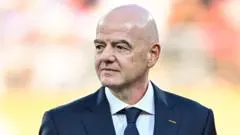
Fifa president Gianni Infantino has abandoned plans to bring private investors into a company controlling major Fifa tournaments, including the men’s and women’s World Cups, after strong opposition from football bodies worldwide. The withdrawal averts a potential boycott by Uefa and leaves Infantino under significant pressure ahead of his expected attempt to secure a fourth presidential term.
Fifa had offered its 211 member associations $40m (£30m) each in return for backing the proposal, with an initial $20m (£15m) linked to a September deadline. Uefa, Concacaf and the Asian Football Confederation opposed it, potentially accounting for 136 votes against the plan; senior adviser Carlos Cordeiro resigned, describing it as a threat to football’s future.
- Infantino drops private investment plan after widespread opposition.
- European boycott threat helped make approval unlikely.
- The reversal increases pressure before Fifa’s presidential election.
New here? Start with this
Fifa is football’s global governing body. It runs major international tournaments, including the men’s and women’s World Cups, and is made up of 211 national football associations, each of which has a vote on important decisions.
Private investment involves outside investors putting money into a business in return for a share of its future income or ownership. The proposed arrangement concerned a new company that would control Fifa’s biggest competitions, which generate large sums from broadcasting, sponsorship and ticket sales.
Gianni Infantino has led Fifa since 2016 and is expected to seek another term as president. Uefa represents European national associations, while Concacaf covers North and Central America and the Caribbean, and the Asian Football Confederation represents countries in Asia.
Both sides, in good faith
The strongest fair case each way — we don't pick a winner.
The case for
Supporters of the plan could argue that selling carefully limited minority stakes in a dedicated competitions company would unlock capital for football without surrendering Fifa’s control of the World Cups. The promised payments to member associations could have funded pitches, coaching, women’s football and grassroots programmes in countries with far fewer commercial resources, while private investors might bring useful financial discipline and expertise. From this perspective, exploring new funding models is a responsible response to the growing costs and opportunities of the global game.
The case against
Opponents could argue that the World Cups are uniquely important public sporting assets whose long-term revenues should not be exposed to the priorities of private investors. They may worry that a one-off payment to associations would be outweighed by decades of reduced future income, commercial pressure and diminished democratic control over competitions belonging to all member nations. The breadth of opposition and reported concerns within Fifa’s administration also support the view that a proposal of this scale required clearer governance, fuller consultation and stronger safeguards before being put to a vote.
More coverage
- The Guardian — Fifa scraps proposal to sell off stakes in World Cup after widespread backlash
- The Hill — FIFA ditches plan to seek private investment for World Cup
Entertainment Football Government Music Politics Sport World
Read the full article at the source →
Originally published by BBC Sport as “Fifa scraps controversial World Cup investment plan”.