FIFA Under Fire Over Plan To Sell World Cup Stake To Joshua Kushner Investment Firm
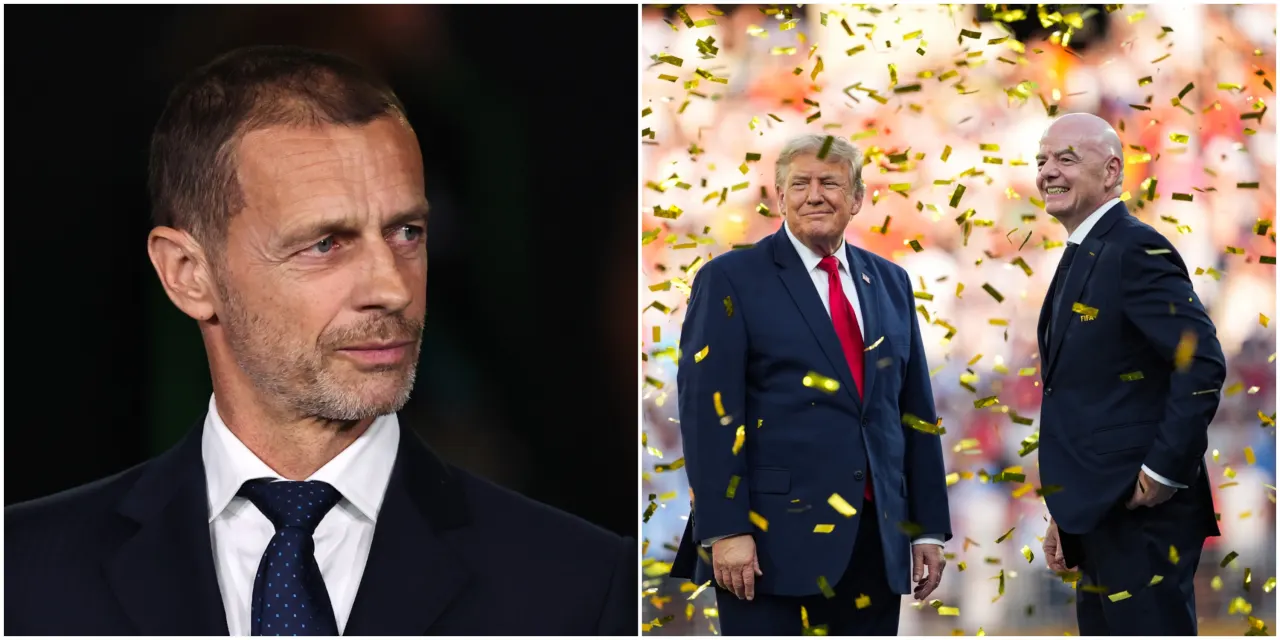
FIFA is facing a backlash from football authorities and politicians over plans to sell stakes in the World Cup to private investors, with UEFA taking the unusual step of publicly condemning the scheme. The plan involves creating a new entity, FIFA Forward Enterprise (FFE), to hold the commercial rights to the men's and women's tournaments, raising concerns that FIFA is treating the World Cup as a saleable commodity rather than the custodian of a public institution. Critics, including UEFA, UK Prime Minister Andy Burnham and former FIFA president Sepp Blatter, argue the tournament is not FIFA's to sell and warn the move risks putting finances ahead of the game's best interests.
The proposed entity, developed with JP Morgan Chase, is reportedly valued at around $20 billion, with FIFA aiming to raise $4.2 billion by selling minority, non-controlling stakes to long-term investors while retaining control itself. Thrive Capital, the firm led by Joshua Kushner, brother of Jared Kushner, is said to have been approached about investing, though Thrive has not commented. FIFA president Gianni Infantino, who could personally profit by becoming the entity's commissioner after his expected third term ends in 2031, insists the plan would create a more focused commercial operation and redistribute over $10 billion to FIFA's 211 member associations. The controversy follows criticism of the recent World Cup in the US, Canada and Mexico over mandatory drinks breaks, Donald Trump's intervention in a player suspension, and an extended half-time show at the final, which prompted UEFA president Aleksander Čeferin to boycott the match.
- FIFA plans to sell World Cup commercial stakes via new entity FFE
- UEFA, Andy Burnham and Sepp Blatter condemn the $20bn plan
- Kushner-linked Thrive Capital reportedly approached as an investor
New here? Start with this
The World Cup is the biggest international football tournament in the world, held every four years and watched by billions of people globally. FIFA, the international governing body for football, currently controls and organises the tournament and owns the rights to its revenue.
FIFA is proposing to create a new company to hold the commercial rights to the World Cup and then sell shares in this company to private investors. The plan aims to raise around $4.2 billion from investors whilst FIFA retains the majority stake and overall control.
The proposal has faced significant opposition from UEFA, the governing body for European football, as well as UK politicians and former FIFA leaders. Critics argue that the World Cup is a global institution that should not be sold as a commercial asset, and worry that the plan prioritises profit over the game's integrity and interests.
Both sides, in good faith
The strongest fair case each way — we don't pick a winner.
The case for
Supporters argue this represents essential professional modernisation of World Cup governance, bringing transparent structures and institutional expertise that FIFA cannot provide alone. With FIFA retaining controlling interest whilst distributing over £10 billion to all 211 member associations, the plan creates sustainable funding that directly benefits football development globally. This mirrors successful models used by other major sporting institutions and improves accountability compared to FIFA's previous arrangements.
The case against
Critics contend the World Cup is a global public institution held in stewardship by FIFA, not a personal asset for privatisation. Introducing private investors whose core purpose is financial return inevitably creates conflicts with sporting integrity and the tournament's public mission. Combined with FIFA's history of corruption and apparent personal benefit for current leadership, this risks treating global sporting heritage as a commodity to exploit rather than a public trust to protect.