Entertainment news and discussion on TalkFuse.
Fifa’s World Cup TV rights documents indicate hydration breaks will stay in 2030
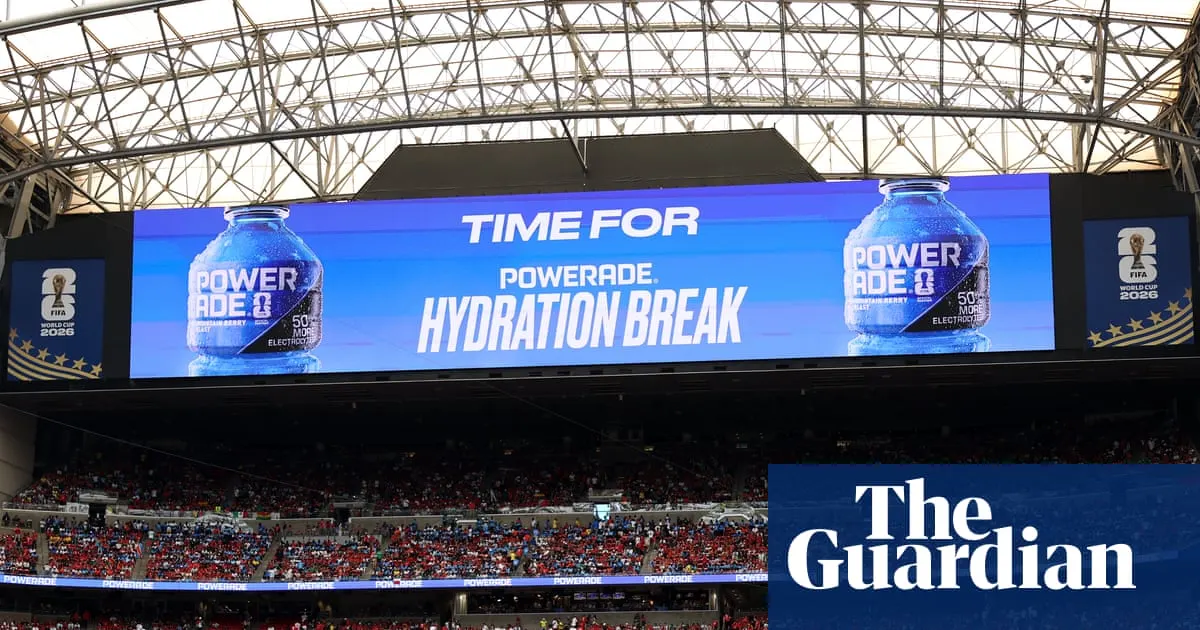
Fifa’s 2030 World Cup television rights documents allow for adverts to be sold during hydration breaks, suggesting the three-minute stoppages could continue. Fifa says it has not decided whether to use them, but their potential commercial value may influence broadcasters’ bids.
Hydration breaks were introduced at all 104 matches at the 2026 tournament, officially to support player welfare. Reports put advertising revenue from them at between $2 million and $9 million per match; US rights for 2030 are expected to fetch $1.5 billion to $2 billion. The tender documents also mention cooling breaks, which can be triggered when temperatures reach 28C, and Fifa says the tenders cover all possible options.
In short
- Fifa’s tender documents include advertising during 2030 hydration breaks.
- The breaks may bring broadcasters millions in ad revenue per match.
- Fifa says it has not decided whether they will be used.
Steelman: both sides, in good faith
The strongest fair case each way — we don't pick a winner.
The case for
Keeping hydration breaks could protect players’ welfare, particularly in hot conditions, and the documents leave Fifa free to use them where appropriate. Their advertising potential could also increase the value of broadcast rights, bringing in revenue that supports the tournament and its development.
The case against
Including adverts in the rights tender before deciding whether breaks will be used risks making a player-welfare measure appear shaped by commercial interests. Broadcasters may value the guaranteed opportunity to sell advertising, while frequent stoppages could disrupt matches and leave players’ needs secondary to revenue.
Explained simply
The men’s World Cup is organised by Fifa, which sells television rights to broadcasters in different countries. Those rights let broadcasters show matches and sell advertising around them, and the money from the deals is an important part of the tournament’s finances.
Hydration breaks are short pauses in play intended to give footballers time to drink and recover. Cooling breaks are a separate measure that may be used in hot conditions; at the 2026 tournament, they were set to be triggered when temperatures reached 28C.
Advertising during breaks could affect how broadcasters value the rights, alongside the matches themselves. Player welfare, the length of games and the commercial value of broadcast time are therefore all relevant to decisions about whether such pauses are used.
Entertainment Football Sport TV