Entertainment news and discussion on TalkFuse.
Final Fantasy: Crystal Chronicles composer speaks out about AI-generated Spotify album falsely using her name
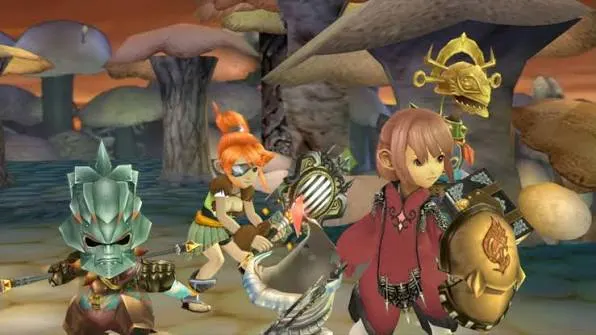
Kumi Tanioka, composer for Final Fantasy: Crystal Chronicles, has publicly disputed an EP attributed to her on Spotify, saying she had no involvement in creating it. Writing on X, she questioned whether the release, titled "A Village Built on Wind," was made by another artist sharing her name or generated using AI, stressing it was "definitely not something I made." The case highlights growing concerns about streaming platforms' vulnerability to false attribution and AI-generated content being misassigned to real musicians, even those with verified status.
Despite Tanioka holding a verified artist badge on Spotify, which is meant to signal authenticity, the disputed EP was still linked to her profile without her involvement. Digital Sonic Design, publisher of some of Tanioka's music, confirmed the tracks did not breach copyright but warned they risked misleading listeners through false attribution, noting the songs were also flagged as AI-generated on YouTube Music. The publisher described it as exploitation of "systemic vulnerabilities" in streaming platforms and said it was considering how to respond, also referencing past cases of unofficial tracks being recreated by ear and distributed without authorisation.
In short
- Composer Kumi Tanioka disowns an AI-suspected EP wrongly credited to her on Spotify
- Despite verified artist status, the release was still linked to her profile
- Publisher says it exposes streaming platforms' vulnerability to false attribution
Explained simply
Kumi Tanioka is a Japanese composer known for writing music for video games, including Final Fantasy: Crystal Chronicles. Musicians’ work is listed on streaming services such as Spotify under artist profiles, where listeners can find their releases; a verified badge is intended to help identify an authentic profile.
A release can be linked to the wrong profile if music is submitted under a name that belongs to someone else. This can confuse listeners about who made it, even when the tracks do not copy existing copyrighted music. The issue matters as streaming services handle more releases, including music described as AI-generated.