Technology news and discussion on TalkFuse.
Finding New Drugs Is Laborious. This AI Startup Is Skipping The Lab Work
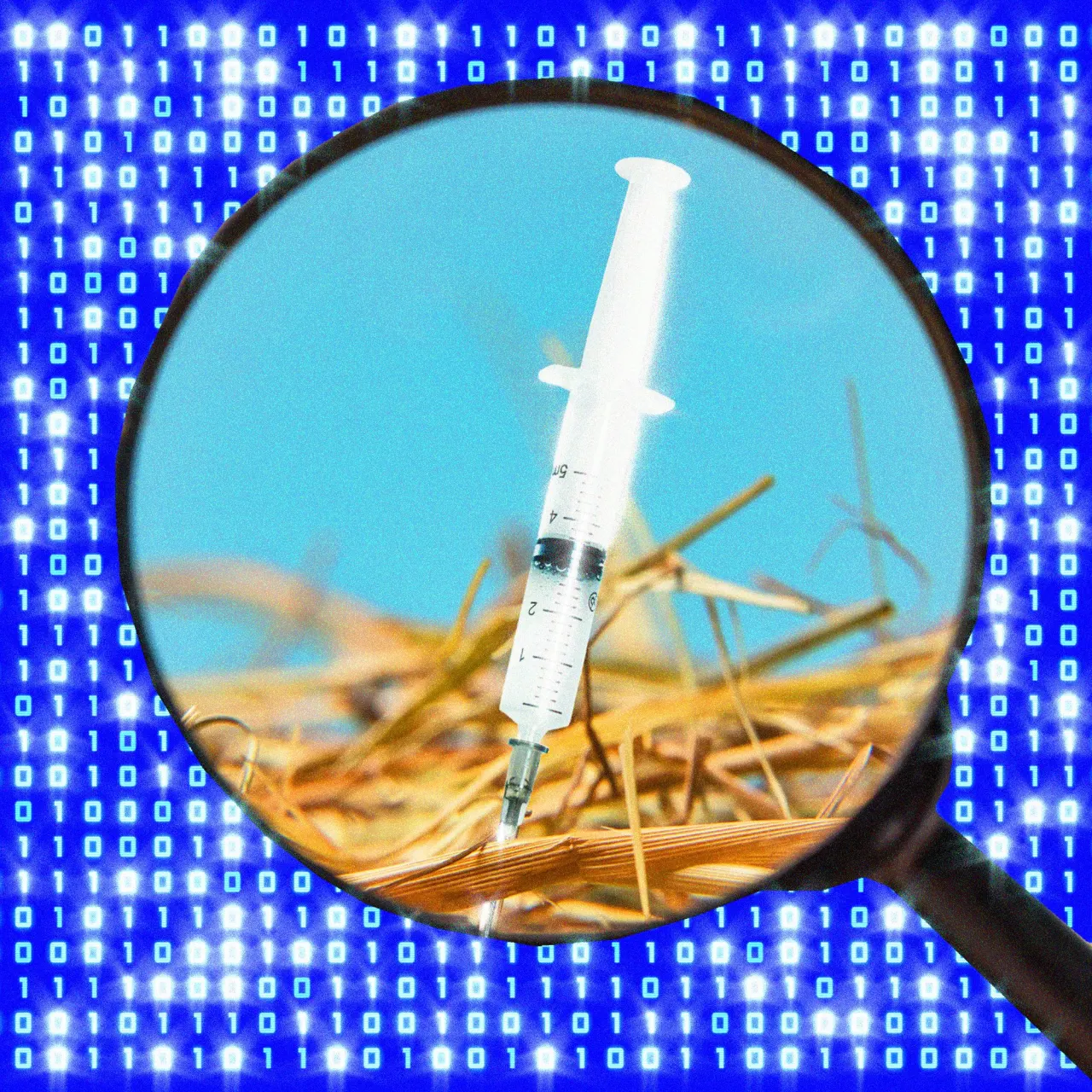
Potential Sciences is building AI models for drug discovery using large synthetic datasets generated through physics based simulations. By predicting which molecules are likely to interact with disease related proteins, the startup hopes to reduce reliance on costly, slow laboratory experiments and make it viable to develop treatments for rare conditions and individual patients.
Launched on 5 November, the company has received seed funding worth tens of millions of dollars from SovAI, the UK government’s AI venture capital fund, Twin Path Ventures and others; it has not disclosed the exact amount or its valuation. Its approach aims to overcome the limited size of the Protein Data Bank, a public collection of experimentally determined protein structures used by many researchers. Scientists see promise in simulation, but say accurately predicting molecular interactions remains a major challenge.
In short
- Potential Sciences is using simulated data to train drug discovery AI.
- The startup has raised seed funding in the tens of millions of dollars.
- Researchers say accurate predictions remain a significant hurdle.
Steelman: both sides, in good faith
The strongest fair case each way — we don't pick a winner.
The case for
Simulation-trained AI could help researchers screen far more molecules quickly and at lower cost, making early drug discovery more accessible, including for rare conditions and treatments tailored to individual patients. If its predictions prove reliable, the approach could focus scarce laboratory resources on the most promising candidates and ease dependence on limited experimental datasets.
The case against
Predictions from simulations are only useful if they accurately reflect complex biological interactions, and that remains a major scientific challenge. Replacing or reducing laboratory work too soon could produce false leads or overlook promising treatments; experimental validation may still be essential, so the promised savings and wider access are not yet established.
AI Business Companies Government Health Medicine Politics Technology UK World