Finland drills civil defence against simulated Russian strikes
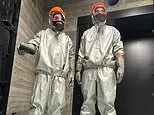
Finland has staged the largest civil defence exercise seen in Europe since the Second World War, involving more than 2,000 volunteers, students and conscripts in the city of Kuopio. The drill simulated cyberattacks disrupting power and water supplies alongside the threat of missile strikes from Russia, testing how authorities and ordinary citizens would respond to a real attack. The exercise reflects growing concern in Finland, which shares an 830-mile border with Russia and joined NATO in 2024 after Vladimir Putin's invasion of Ukraine, about both military threats and covert sabotage campaigns Western officials attribute to Moscow.
Participants practised sheltering in a rock-hewn bunker designed to withstand nuclear, biological and chemical attacks, with the largest shelter able to hold 7,000 people, while others slept overnight on trestle beds in a converted sports hall. Organisers said lessons were being drawn from Ukraine, where residents often have only minutes to reach safety, and from local energy firm Savon Voima, whose chief executive reported a sharp rise in cyberattacks and the discovery of at least ten suspicious stickers placed on vulnerable points of the power network, alongside drone sightings near power lines. A retired army colonel involved in organising the exercise said Finland's defence rests not only on its military and conscription system but on the readiness of ordinary citizens to take responsibility for national security.
In short
- Finland runs Europe's biggest civil defence drill since WWII, in Kuopio
- Exercise simulated Russian cyberattacks and missile threats to infrastructure
- Energy firm reports rising cyberattacks and suspicious sabotage devices found
Steelman: both sides, in good faith
The strongest fair case each way — we don't pick a winner.
The case for
Supporters argue that practising for attacks on power, water and civilian infrastructure makes Finland more resilient and could save lives if a crisis occurs. Given the country’s long border with Russia and the examples organisers draw from Ukraine, they see preparedness as a prudent civic responsibility that can deter disruption as well as help people respond to it.
The case against
Sceptics could argue that highly visible drills centred on a Russian threat may heighten public anxiety or make an already tense relationship more confrontational. They might also question whether large exercises and extensive shelter planning are the best use of resources, compared with quieter infrastructure protection and diplomacy, especially when the reported suspicious activity does not by itself establish who was responsible.
Explained simply
Finland shares a long border with Russia and has prepared for possible conflict with its eastern neighbour for decades. It joined NATO in 2024, after Russia’s full-scale invasion of Ukraine, bringing it into the military alliance of North American and European countries.
Civil defence means preparing people and essential services to cope during emergencies, including attacks that disrupt electricity or water. Finland has underground shelters and a system of conscription, in which eligible citizens undertake military service, as part of a wider approach that also involves local authorities, businesses and the public.
The war in Ukraine has shown how quickly civilians may need to find shelter and how attacks on infrastructure can affect daily life. Finland’s preparations matter to its own population and to other NATO members, as they consider how to protect people and vital services from military threats and sabotage.
Art Culture Europe Fitness Health World
Read the full article at the source →
Originally published by Daily Mail as “Finland holds Europe’s largest civil defence exercise since WWII in preparation for an attack by Putin”.