World news and discussion on TalkFuse.
Firefighters ‘abandoned French village to wildfires so they could save millionaires’ homes’
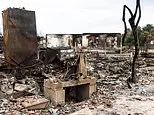
French firefighters have been accused of prioritising the protection of wealthy homeowners' properties over saving an entire village during a wildfire, according to reports. Locals and critics allege that emergency crews concentrated resources on defending expensive villas belonging to millionaires, allowing the blaze to spread largely unchecked through the surrounding village itself. The claims have sparked anger over perceived inequality in how firefighting resources are allocated during emergencies, raising questions about whether wealth influences the level of protection ordinary residents can expect.
The allegations centre on decisions made by fire services during the incident, with residents reportedly left to watch as their homes and the wider village suffered extensive damage while nearby high-value properties were shielded. The controversy comes amid a broader pattern of severe wildfires affecting parts of Europe, with the article noting these events occurred against a backdrop of extreme summer heat. Exact figures on damage, the number of homes lost, or an official response from French fire authorities were not detailed in the available report.
In short
- Firefighters accused of favouring millionaires' homes over a village
- Wildfire allegedly left unchecked in residential areas nearby
- Sparks anger over resource allocation and inequality claims
Steelman: both sides, in good faith
The strongest fair case each way — we don't pick a winner.
The case for
Emergency services exist to protect all citizens equally, regardless of economic status. If firefighters concentrated resources on defending expensive villas whilst allowing an entire village to burn, this represents a fundamental failure of that duty and suggests wealth influences who receives protection during crises. Such disparities, whether intentional or systemic, undermine public trust in institutions and raise legitimate questions about whether emergency resources are fairly allocated in a supposed meritocracy.
The case against
Emergency response to major wildfires requires difficult triage decisions with inherently finite resources. Concentrating firefighting forces in specific areas may reflect sound tactical choices about where crews can most effectively halt the fire's progression or protect populations strategically, rather than property values. Building density, terrain, water access, and fire behaviour might rationally explain resource deployment; concluding bias requires evidence of decision-making criteria rather than assumptions based on outcomes alone.
Explained simply
Wildfires can spread quickly in hot, dry weather, forcing firefighters to decide where to send limited crews and equipment. They may defend homes, protect escape routes and try to stop the fire spreading, but those choices can leave some areas more exposed.
The allegations concern a village in France and nearby costly villas, whose owners are described as millionaires. Residents and critics say firefighters focused on the villas while the village suffered damage; the account does not give a detailed official response or a full toll.
The dispute raises questions about how emergency services set priorities when they cannot protect every property at once, and whether residents receive equal protection regardless of wealth. Europe has faced severe wildfires during periods of extreme summer heat.
Americas Entertainment Music World