New releases, music videos and album news — indie, rap, rock and pop. Always covering Ren, Chris Webby, Sam Tompkins, bbno$, CHINCHILLA, Muse, Yungblud and more.
Five classic love songs that are actually psychopathic
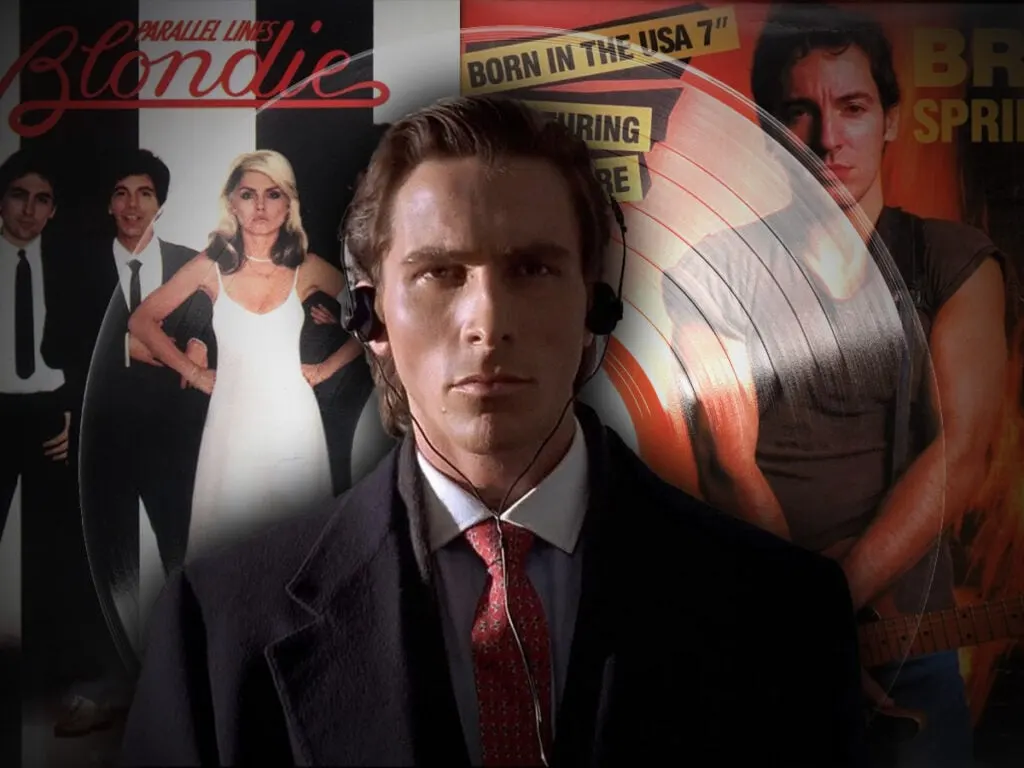
The article argues that several familiar love songs sound romantic on the surface but can be read as unsettling stories about obsession, stalking or threatening behaviour. It presents this hidden darkness as part of the craft of songwriting, where irony and attractive melodies can obscure a troubling perspective.
It uses Robert D Hare’s checklist of psychopathy traits as a loose lens, while acknowledging that estimates of psychopathy vary and citing a figure of about 1% of the Western population. Bruce Springsteen’s “I’m On Fire” is interpreted as a predatory narrator’s song, and Sting’s “Every Breath You Take” as surveillance driven by jealousy after he suspected his wife of an affair.
In short
- Familiar love songs can carry unsettling meanings.
- “I’m On Fire” is read as predatory.
- “Every Breath You Take” is framed as jealous surveillance.
Steelman: both sides, in good faith
The strongest fair case each way — we don't pick a winner.
The case for
Reading these songs as unsettling can draw attention to how lyrics frame obsession, surveillance and possessiveness as romance. The contrast between a polished melody and a troubling narrator may be deliberate songwriting craft, and the article’s loose use of Hare’s checklist invites listeners to examine that tension.
The case against
A disturbing narrator or image does not establish that a song, its writer or the person it portrays is psychopathic; the checklist is being used as an interpretive lens rather than a clinical assessment. The songs may instead express longing, jealousy or dramatic fiction, and treating them as evidence of psychopathy risks overstating what ambiguous lyrics can show.
Explained simply
Love songs can describe devotion, jealousy and longing, but the same feelings can sound threatening when they become controlling or obsessive. A song’s warm melody may also sit uneasily alongside the behaviour described in its lyrics.
The article uses psychologist Robert D Hare’s checklist of psychopathy traits as a loose way to discuss these narrators; it is not a clinical assessment of the songwriters or performers. It reads Bruce Springsteen’s “I’m On Fire” as the voice of a predatory pursuer, and Sting’s “Every Breath You Take” as a jealous narrator keeping watch after suspecting his wife of an affair.