World news and discussion on TalkFuse.
Five music success stories that blur the line between luck and genius
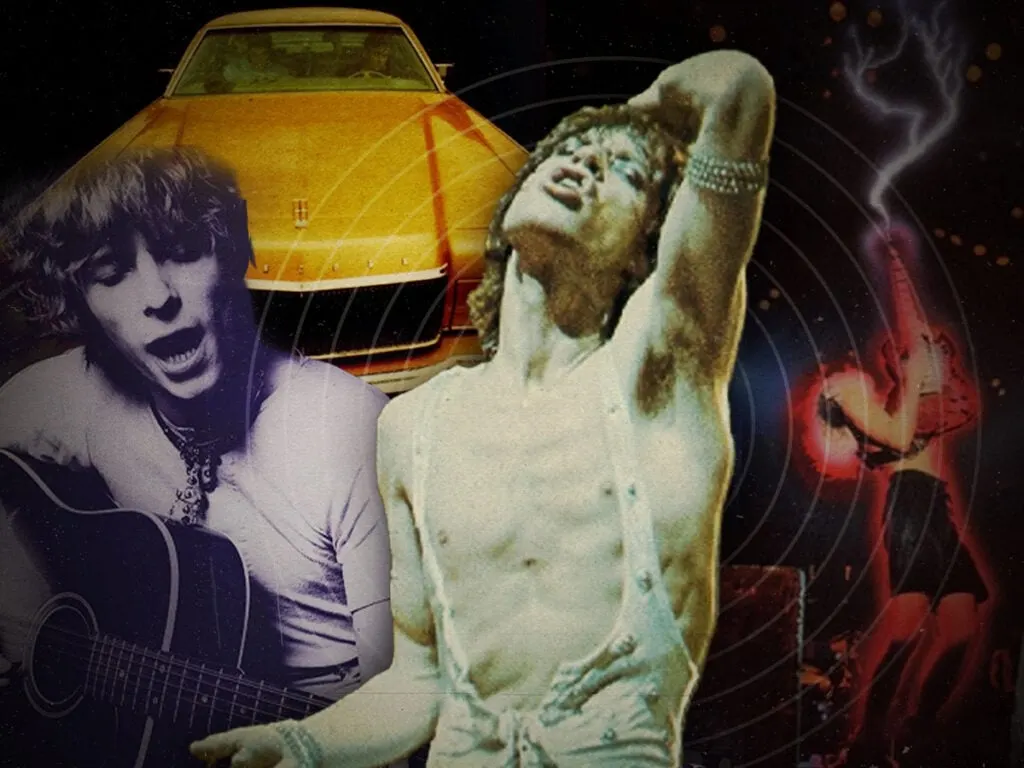
An article from Far Out Magazine explores five famous songs where it's unclear whether their success stemmed from artistic genius or sheer chance, touching on the unpredictable relationship between musicians and public taste. It cites Noel Gallagher's view that audiences don't know what they want until they get it, using examples from David Bowie, Blur and The Rolling Stones to illustrate how timing, circumstance and talent often intertwine in creating a hit.
Among the examples: Bowie's 'Space Oddity' became iconic partly due to its release just days before the Apollo 11 moon landing in 1969, with the song later played during the astronauts' return to Earth. Blur's 'Song 2' was written as a parody of 1990s American grunge acts like Nirvana and Pearl Jam, yet unexpectedly became one of the band's biggest hits. The Rolling Stones' 'Gimme Shelter' is highlighted for Merry Clayton's raw, unplanned vocal crack while singing "rape, murder, it's just a shot away", delivered while she was pregnant and recorded late at night, a moment now regarded as one of music's greatest vocal performances.
In short
- Article examines five hit songs blending luck with musical genius
- Bowie's 'Space Oddity' timing coincided with the Apollo 11 moon landing
- Blur's parody track 'Song 2' became an unexpected major hit
Steelman: both sides, in good faith
The strongest fair case each way — we don't pick a winner.
The case for
These examples illustrate how external timing and circumstance often determine success more decisively than artistic merit alone. Space Oddity became legendary partly because Bowie released it days before Apollo 11—identical lyrics and melody without that cultural moment might have been merely competent. Merry Clayton's vocal moment was shaped by the specific circumstance of late-night recording whilst pregnant, a vulnerability that circumstances created. This suggests the music industry's greatest successes depend less on pure artistic superiority than on how cultural moment aligns with release.
The case against
Whilst timing matters, these examples actually demonstrate artistic genius recognising and seizing opportunity. Bowie's talent lay in creating something that resonated with the Apollo 11 moment—countless songwriters had identical timing but couldn't replicate his success. The genius involves crafting work of such enduring quality that it transcends mere accident and sounds brilliant regardless of context. Merry Clayton's legendary status came from her raw artistic sensitivity and Bowie's discerning judgement to preserve that authenticity, suggesting that luck only amplifies what genuine talent has already created.
Explained simply
Popular songs do not always succeed for the reasons their creators expect. A track’s reception can depend on its sound and performance, but also on when it appears and what listeners are drawn to at the time.
David Bowie’s “Space Oddity” arrived just before the 1969 Apollo 11 moon landing, linking it in the public imagination to space exploration. Blur wrote “Song 2” as a send-up of American grunge, while the Rolling Stones’ “Gimme Shelter” features a striking vocal by singer Merry Clayton.
These examples raise a broader question about how talent and circumstance combine in popular music. They also show how a song’s meaning and reputation can grow beyond what its makers originally intended.
Americas Entertainment Music World