Culture news and discussion on TalkFuse.
Five states could take nuclear waste under Trump administration initiative
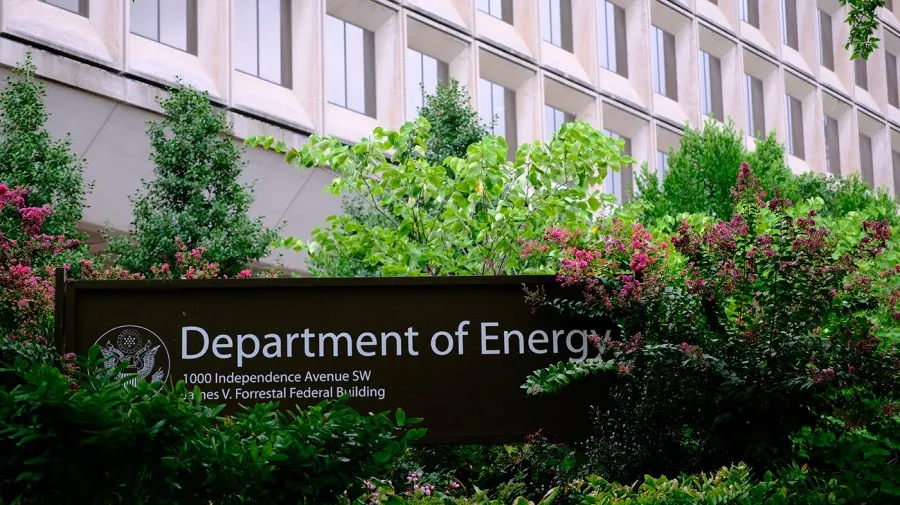
The article’s full text was unavailable, so its claims cannot be independently summarised. From the headline, it appears the Trump administration is considering five states as potential hosts for nuclear waste, an issue with major implications for energy policy, environmental safety and local consent.
No details are provided about which states are involved, the type or volume of waste, the proposed facilities, or the selection process. Any further account of the initiative would therefore risk speculation.
In short
- Full article text was unavailable.
- Headline suggests five potential nuclear-waste host states.
- Key details cannot be verified.
Steelman: both sides, in good faith
The strongest fair case each way — we don't pick a winner.
The case for
Proponents of centralized nuclear waste management argue that nuclear energy is essential for meeting clean energy and climate goals whilst maintaining energy independence. They contend that modern, professionally managed waste facilities with rigorous safety standards represent the most responsible approach, offering better oversight than distributed storage. They view this as necessary infrastructure that can benefit willing host communities through economic development and fair negotiation between states and the federal government.
The case against
Critics emphasise that communities should not bear concentrated risks of others' energy consumption without genuine, informed consent. They argue that nuclear waste's multi-generational hazards demand extreme caution in siting decisions and point to concerns about environmental justice, particularly if facilities end up in vulnerable areas. They contend that resources should instead be devoted to truly safe, long-term geological solutions and alternative approaches that don't require local communities to accept concentrated risks.
Explained simply
Nuclear waste is a by-product of generating electricity at nuclear power stations. Once a reactor has finished using fuel rods, that spent fuel remains highly radioactive and potentially dangerous for thousands of years. Safely storing or disposing of this waste has been a persistent challenge for the United States since the nuclear age began.
For decades, the U.S. has struggled with a permanent solution for nuclear waste disposal. Currently, much spent fuel is stored temporarily at reactor sites across the country, sometimes for far longer than originally intended. Finding states willing to host waste facilities has proven politically difficult, as communities worry about safety risks, potential contamination and impacts on property values and tourism.
This initiative matters because nuclear waste disposal touches on fundamental questions about energy policy, environmental protection and public safety. Decisions about where waste is stored affect millions of people living near proposed sites. The issue reflects broader tensions between the desire for clean nuclear energy and the practical challenges of managing radioactive waste safely.