Politics news and discussion on TalkFuse.
Five takeaways from Democrats’ historic midterm blue tsunami
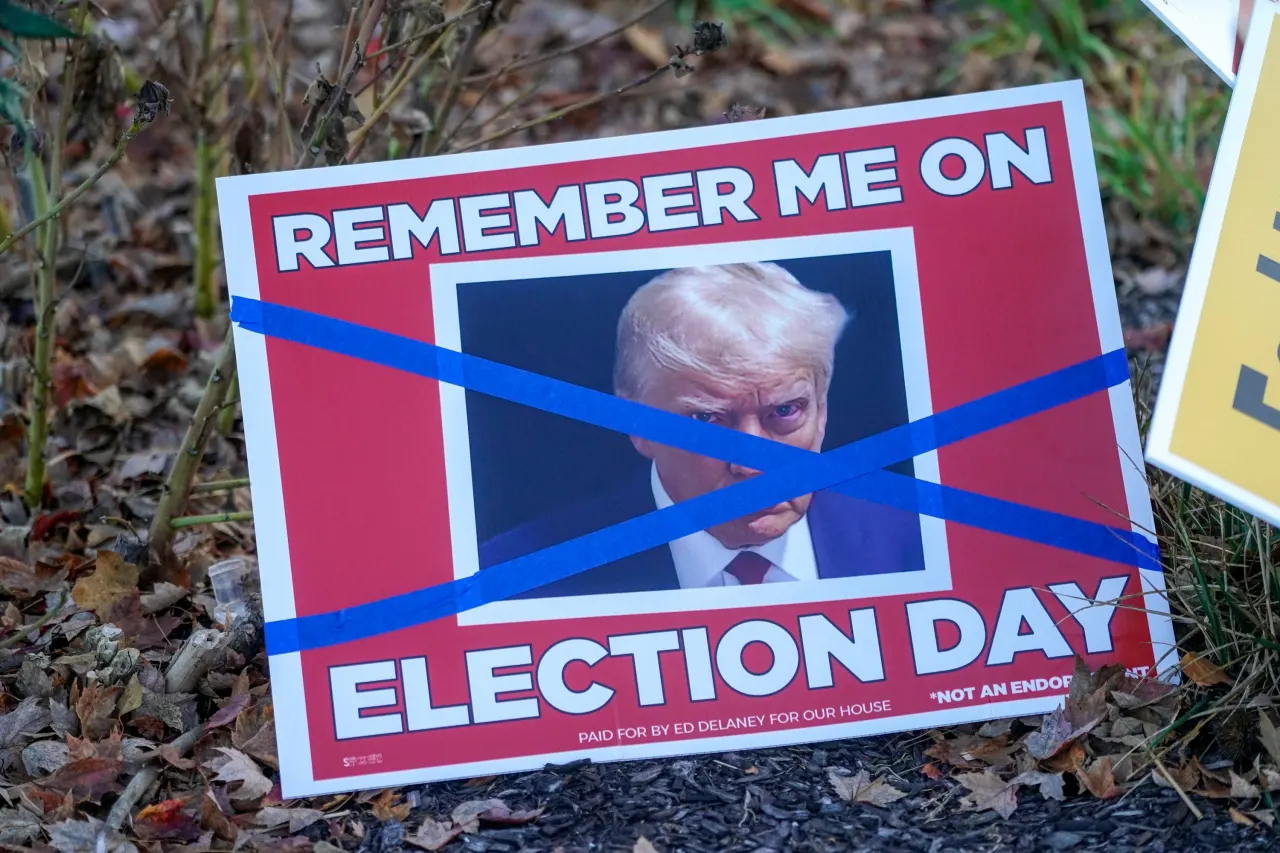
Democrats made sweeping gains in the midterm elections, taking control of both the House and Senate and winning a majority of state governorships. The result reflects widespread voter dissatisfaction with the country’s direction and President Trump’s performance, and sets up Democratic-led congressional investigations.
The article cites exit polls showing 71% of voters wanted Congress to do more to check the president, while 62% blamed him for higher prices. Democrats also scored notable wins in traditionally Republican states, including Texas, where James Talarico won the Senate race by 12 points and Gina Hinojosa defeated Governor Greg Abbott by seven. DSA-backed candidates were projected to increase the number of avowed socialist House members from two to seven; the article also notes Florida as a rare Republican bright spot, but its account cuts off before giving the result.
In short
- Democrats took both chambers of Congress.
- Voters cited prices and checks on presidential power.
- DSA-backed House members are set to rise from two to seven.
Steelman: both sides, in good faith
The strongest fair case each way — we don't pick a winner.
The case for
Democrats’ gains can be seen as a clear electoral response to dissatisfaction with the country’s direction and President Trump’s performance. Voters’ desire for Congress to check the president and their concern about prices support the case that the result gives Democrats a mandate to scrutinise the administration and pursue their priorities.
The case against
A strong midterm result does not necessarily amount to a mandate for every part of the Democratic agenda; voters may have been expressing disapproval of the president or economic conditions rather than endorsing particular policies. The result also gives Democrats substantial power to investigate and govern, which makes it reasonable to expect them to show restraint, focus on issues voters prioritised and remain accountable for their choices.
Explained simply
Midterm elections take place halfway through a US president’s four-year term. Voters choose all members of the House of Representatives, some senators and, in many states, governors.
Congress has two chambers: the House and the Senate. Together, they pass federal laws and oversee the government; control of either chamber can affect what legislation advances and how closely the president is scrutinised.
The Democratic and Republican parties compete for these offices, while candidates can also be backed by groups such as the Democratic Socialists of America (DSA). State governors lead their states’ governments, so their races can shape policy locally as well as the balance of power in Washington.