New releases, music videos and album news — indie, rap, rock and pop. Always covering Ren, Chris Webby, Sam Tompkins, bbno$, CHINCHILLA, Muse, Yungblud and more.
Five vocal performances from the 1960s that need to be deleted from history
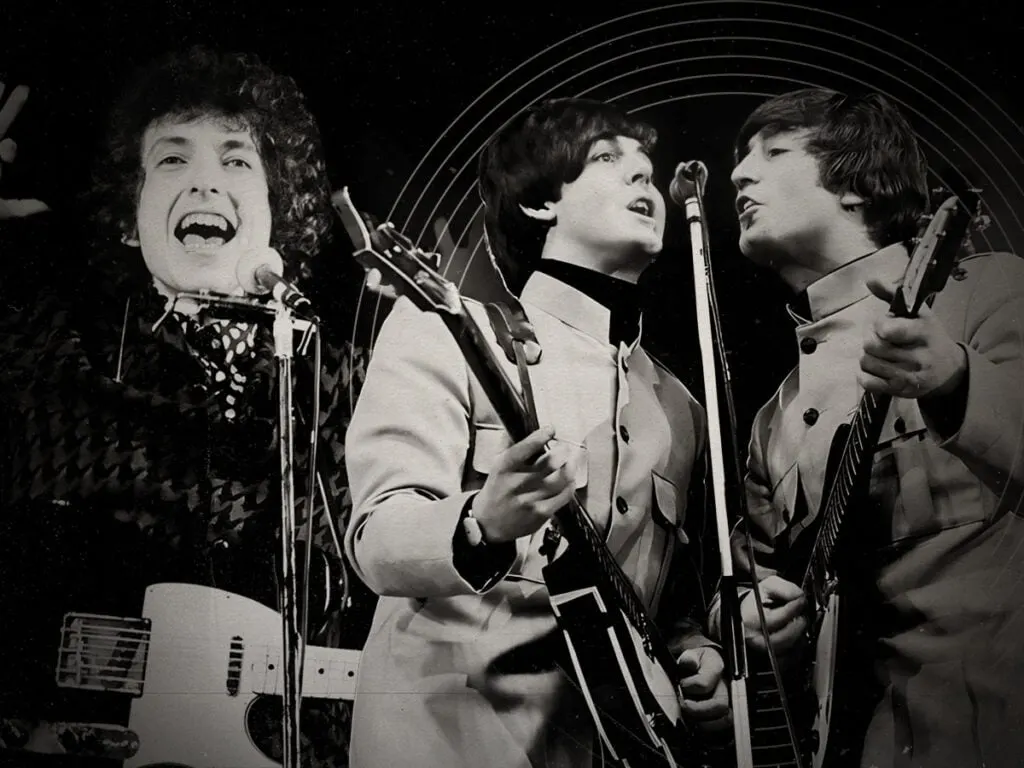
The article lists 1960s vocal performances that the writer considers among the weakest of the era. The text provided covers four of the five entries, each involving a well-known artist and a track whose vocal delivery is said to have let the song down. – Bob Dylan's 'Ballad in Plain D' sounds either disengaged or overplayed, undercutting its tender lyrics. – Cilla Black's 'Love's Just a Broken Heart' features a strained, overdone belt that fails to reach the notes the song needs most. – Tiny Tim's 'Tiptoe Through the Tulips' is remembered mainly for his haunting, shaky vocals, which the writer finds unsettling. – Paul McCartney's 'Rocky Raccoon' uses a hammy country-western accent that the writer calls lazy and forgettable. McCartney reportedly described it as spoofing the folksinger.
In short
- Dylan, Black, Tiny Tim and McCartney are singled out for their vocal choices.
- Strained, shaky or affected delivery is said to undermine otherwise strong songs.
- Even major 1960s stars had vocal misfires on record.
Steelman: both sides, in good faith
The strongest fair case each way — we don't pick a winner.
The case for
The strongest case for the critique rests on the idea that a vocal should serve the song, and that several celebrated tracks fall short on exactly that measure. Dylan's flat, detached delivery can drain the tenderness from lyrics meant to land emotionally, while Cilla Black's straining belt misses the notes where the melody most needs lift. Critics argue that reverence for famous names should not shield performances that listeners would judge less kindly from anyone else, and that honest assessment serves audiences better than nostalgia.
The case against
The opposing case holds that artistic judgement should account for intent, context and the conventions of the period, not only polish. Dylan's deliberately rough, conversational singing was a considered break from the crooning tradition, and many listeners hear its imperfections as expressive rather than careless. Tiny Tim's fragile falsetto and McCartney's knowingly exaggerated accent can be read as parody, camp or affectionate play, which are legitimate modes that critics risk flattening if they judge them only as straight performances. Defenders therefore argue that removing such work from history would erase a record of experimentation and humour that shaped what came after.