Five ways Andy Burnham could fund his early premiership giveaways
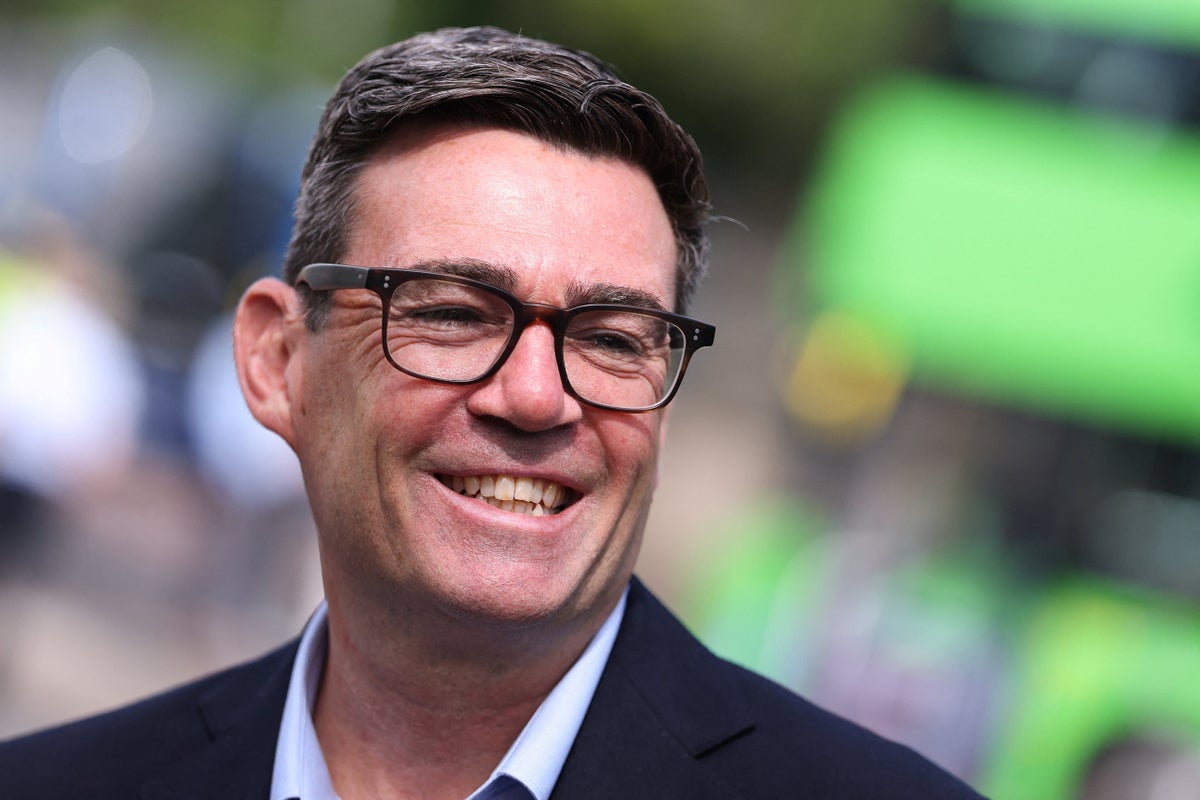
Andy Burnham, four days into his premiership, has been announcing a string of early-morning "cost-of-living" giveaways, including scrapping VAT on energy bills, capping bus fares at £2, and cutting business rates for pubs and clubs. With income tax, VAT and employee national insurance rises ruled out, and Rachel Reeves' borrowing rules still in force, he has little conventional room to fund these and larger promises still to come.
– A wealth tax: options include raising the top income tax rate from 45p to 50p (roughly £750m), a 2% levy on high-value assets such as property, art and jewellery (around £10bn), or equalising capital gains tax with income tax (£10bn-£14bn, though critics warn it could deter investment) – Raiding other departmental budgets, such as funds freed by scrapping the digital ID scheme or diverting Ed Miliband's former climate fund to cover the bus fare cap – An "Amazon tax" on online retailers to help fund wider business rate cuts for high street shops and pubs
In short
- Burnham has made three early cost-of-living giveaways since becoming PM
- Manifesto tax pledges and borrowing rules limit how he can fund them
- Options floated include wealth taxes and an online retailer "Amazon tax"
Steelman: both sides, in good faith
The strongest fair case each way — we don't pick a winner.
The case for
Burnham's giveaways address genuine hardship from cost-of-living pressures that damage both households and the real economy. A wealth tax on luxury assets or capital gains tax reform targets those least affected by such pressures and is fairer than alternatives; redirecting the scrapped digital ID funds and placing an online retailer tax addresses legitimate inequities where the high street has suffered relative to digital commerce. These are precisely the targeted, economically smart interventions a newly elected government has a mandate to pursue.
The case against
Whilst cost-of-living is real, fiscal constraints remain. Wealth and capital gains taxes risk deterring investment and entrepreneurship that create jobs, whilst raiding departmental budgets abandons other important priorities without clear gains. Each individual giveaway creates structural deficits that become harder to reverse, and without genuine new revenue or spending cuts, the cumulative effect risks inflation and unsustainable public finances. The approach sidesteps difficult long-term choices rather than solving them.
Explained simply
Andy Burnham has recently become Prime Minister and is already announcing spending commitments aimed at helping households and businesses with their costs. These include removing VAT from energy bills, capping bus fares at £2, and reducing business rates for pubs and clubs. These are being presented as urgent measures to address cost-of-living pressures.
The challenge is funding these promises without raising certain taxes. Burnham cannot increase income tax, VAT, or employee national insurance, and borrowing restrictions limit how much the government can spend beyond its normal revenues. With these conventional funding routes blocked, he must find alternative ways to pay for these announcements and larger commitments still to come.
Several options are being discussed to bridge this gap. These include introducing new taxes on high earners or valuable assets, redirecting money from other government programmes, and imposing levies on online retailers. Each option affects different groups and carries different trade-offs.
Entertainment Government Politics TV