Business news and discussion on TalkFuse.
Flight passengers clash over armrest space as shrinking economy seats leave almost no room
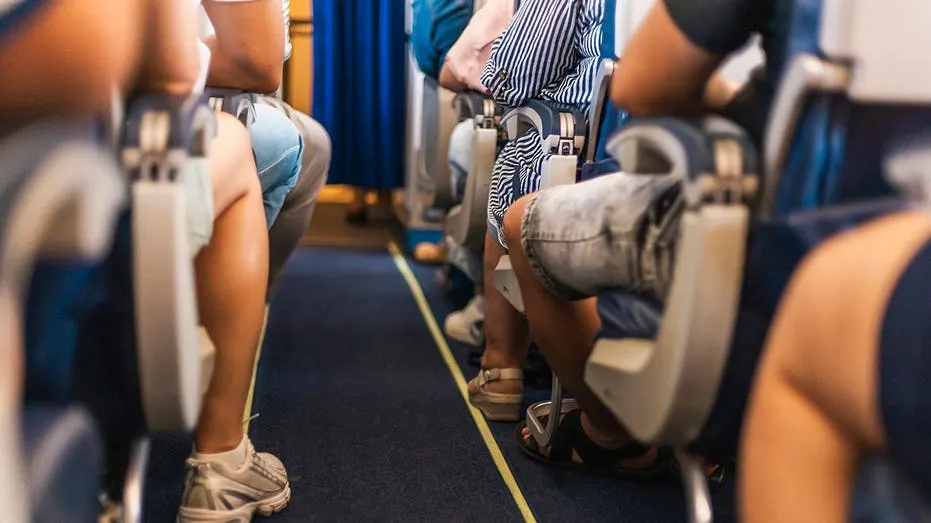
Passengers are increasingly clashing over armrests and cramped space as economy seats shrink to 17 inches across on some aircraft. A recent survey by The Points Guy and YouGov found that flyers have less patience for declining etiquette, and frustrated travellers are airing their grievances on social media.
Etiquette expert Jacqueline Whitmore, a former flight attendant, says seats are getting smaller and advises passengers to speak up before the doors close. A Reddit complaint about larger neighbours was upvoted more than 4,000 times. In July, United Airlines unveiled an economy option on its Airbus A321XLR with extra elbow room at a shared table across an open middle seat, and it expects to be the only airline offering this. Several carriers require passengers who cannot fit within one seat with the armrests down to buy a second seat.
In short
- Some economy seats now measure just 17 inches across.
- Survey finds flyers are losing patience with armrest disputes.
- A Reddit complaint about larger neighbours drew over 4,000 upvotes.
- United is adding a shared-table economy option on its A321XLR.
Steelman: both sides, in good faith
The strongest fair case each way — we don't pick a winner.
The case for
Airlines argue that tighter seat layouts are a rational response to the economics of flying, allowing carriers to offer lower fares to the many passengers who prioritise price over space. On this view, seat density is a legitimate product choice: travellers who want more room can pay for extra legroom, premium cabins or options such as United's new shared-table design, while those who prioritise the cheapest fare accept a tighter seat. Supporters contend that minimum seat dimensions set by regulators would remove this choice and push fares up for everyone.
The case against
Passenger advocates contend that the market does not offer a genuinely free choice when shrinking seats have become the industry norm and the cheapest fare is often the only one affordable to families or those on tight budgets. They argue that basic physical comfort, dignity and safety are reasonable expectations that should not depend on what someone can afford, and that a minimum standard would spare people from negotiating cramped space with strangers in the aisle. Repeated public complaints about armrests and neighbours, they say, signal that the balance has tilted too far towards airlines' revenue and away from the people using the service.
Business Culture Economy Space Technology Travel World