Flock executive defends crime-fighting cameras as ACLU attorney questions company’s motives amid backlash
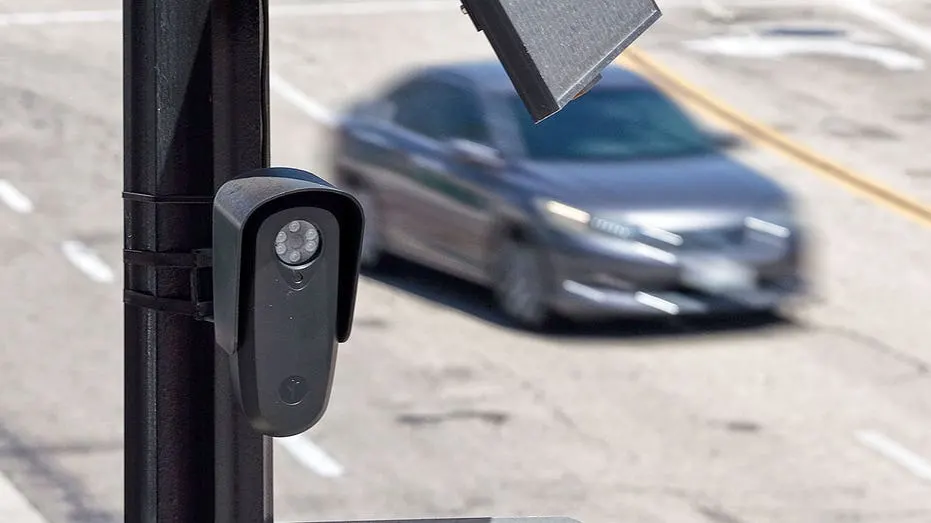
Flock Safety is defending its automatic number plate recognition cameras by pointing to higher crime-clearance rates in some places that use them. The debate matters because the technology can help police narrow searches for vehicles linked to reported offences, while also recording drivers’ movements and raising privacy and constitutional concerns.
Company data cited in the article compares several neighbouring cities: Hendersonville cleared 40% of motor-vehicle thefts in the first half of 2026, against 7% in Nashville, while Eugene’s vehicle-theft clearance rate fell from 15% to 9% after its cameras were removed. The comparisons do not establish that the cameras caused the differences, an ACLU policy counsel argues. A federal judge in Oklahoma also ruled that an officer violated a woman’s Fourth Amendment rights by using a month of camera records to track her and stop her; she was carrying 91 pounds of methamphetamine.
- Flock says its cameras help police solve crimes.
- City comparisons show higher clearance rates in some camera-equipped areas.
- Critics question whether the data proves effectiveness and raises privacy concerns.
New here? Start with this
Flock Safety manufactures automatic number plate recognition cameras that photograph vehicle number plates and store the data. Police departments across the United States use these systems to help identify vehicles involved in reported crimes, from theft to more serious offences.
Advocates argue the cameras help police solve crimes more efficiently by narrowing the search for suspect vehicles, but critics raise serious concerns about creating permanent records of citizens' movements and locations. The American Civil Liberties Union and others worry that this effectively amounts to mass surveillance of the public and may violate constitutional protections against unreasonable searches.
The expanding use of number plate recognition technology highlights a fundamental tension between public safety and privacy rights. As more police departments install these cameras, communities must grapple with how much surveillance they will accept and what safeguards are needed to prevent misuse of the technology.
Both sides, in good faith
The strongest fair case each way — we don't pick a winner.
The case for
Flock Safety's data demonstrates a meaningful correlation between automatic number plate recognition camera deployment and improved vehicle-theft clearance rates across multiple jurisdictions. When law enforcement has access to objective records of vehicle movements, officers can rapidly identify and apprehend suspects linked to reported offences, which serves the legitimate public interest in solving crime and bringing offenders to justice. The improved clearance rates in Hendersonville and the decrease following Eugene's removal of cameras suggest these tools provide practical investigative value.
The case against
The ACLU's critique correctly identifies that correlation does not establish causation: clearance-rate differences between cities may result from varying detective resources, departmental practices, or crime patterns rather than the cameras themselves. Beyond causation concerns, the technology enables systematic tracking of individuals' movements regardless of criminal suspicion, raising serious Fourth Amendment implications, as illustrated by the federal judge's ruling that tracking a driver for a month violated constitutional protections. The constitutional and privacy harms of mass surveillance must be weighed against unproven public-safety benefits.