Flock is testing a new AI tool that tracks and identifies people based on their driving habits
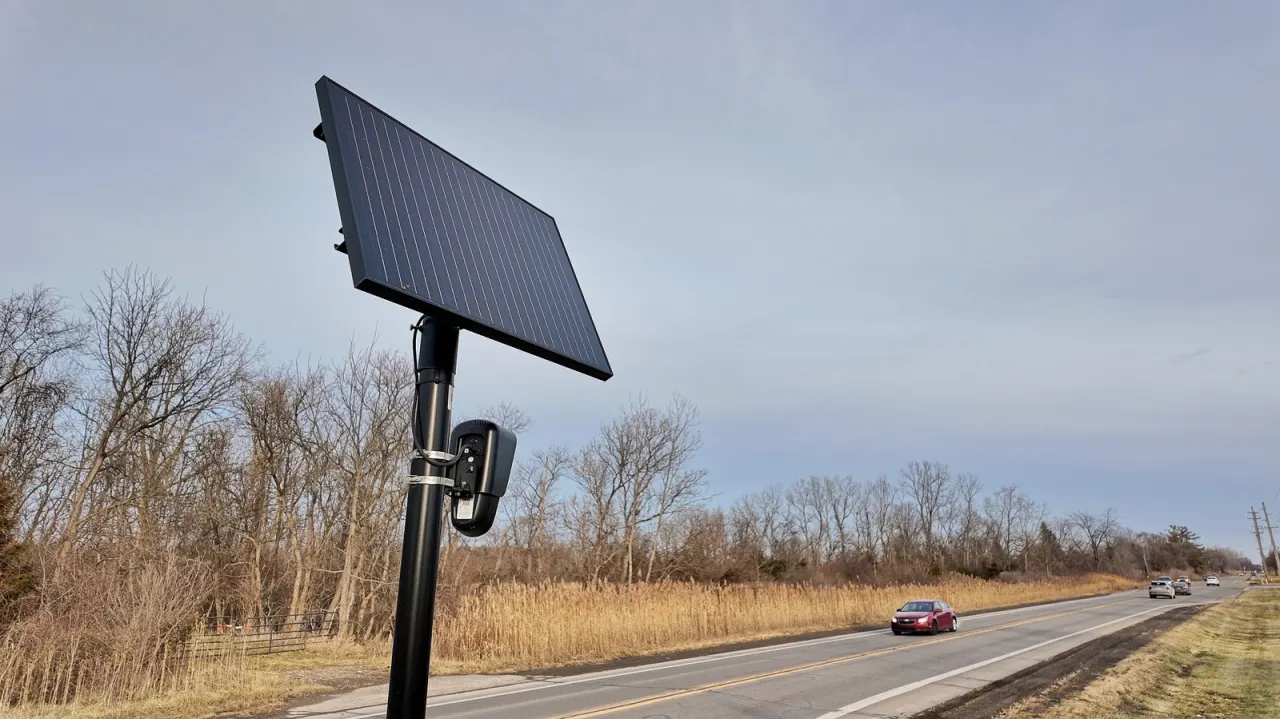
Flock, a company best known for automated licence plate readers, is reportedly testing a new AI tool that can identify and locate people based on their driving patterns rather than just number plates. According to a Wired investigation, the tool – previously called Nightshift and now renamed OS Investigate – draws on a network of cameras across 6,000 communities to log drivers' movements, allowing police to find potential witnesses or suspects using only a physical description, location and timeframe, with no crime or licence plate required to begin a search.
The system includes a chatbot allowing officers to type prompts such as requests to find vehicles seen most often in a given neighbourhood over a set period, then cross-references results with police case files, 911 logs and commercial identity records to reveal names, addresses and even relatives or friends. Flock says it is testing the product with select law enforcement partners and stresses current capabilities may not reflect the eventual commercial version, but has not disputed the reported functions. Critics, including a former police officer and an ACLU attorney, warn the tool's unrestricted prompts could enable officers to go "fishing" for patterns without any underlying crime, raising fresh concerns after separate reports of Flock camera misuse by police in Massachusetts and calls for a usage pause in Ohio.
- Flock is testing AI tool "OS Investigate" tracking drivers, not just plates
- It can identify witnesses/suspects from descriptions and movement patterns alone
- Critics warn of unrestricted "fishing" searches and privacy abuse risks
New here? Start with this
Automated licence plate readers are cameras that record number plates, often as vehicles pass through public places. Flock supplies these cameras to police and other local authorities, building a network that can help investigators trace where a vehicle has travelled.
The reported tool is designed to search that network using details such as a person’s appearance, a place and a time, then link possible matches to police records and commercial identity information. Flock says it is testing the product with selected law enforcement partners, and that what is being tested may differ from any version eventually offered more widely.
The issue matters because searches based on broad descriptions or driving patterns could help police find witnesses, but could also reveal information about people who are not suspected of a crime. That has renewed debate about how police use camera networks and what limits should apply to searches.
Both sides, in good faith
The strongest fair case each way — we don't pick a winner.
The case for
Law enforcement advocates contend this tool represents a significant advance in solving crimes and protecting public safety. The ability to identify witnesses and suspects using physical descriptions and timeframes could resolve cases that currently remain unsolved, and supporters argue the system can operate within legitimate investigative parameters. Given Flock's ongoing testing and refinement process, responsible partnerships with appropriate law enforcement oversight could yield substantial public safety benefits for communities seeking to solve serious crimes.
The case against
Civil liberties advocates warn that unrestricted search capabilities without requiring an underlying crime fundamentally enable mass surveillance and warrantless investigation of innocent people. The tool's architecture—allowing officers to generate patterns without judicial safeguards or necessity thresholds—creates chilling effects on freedom of movement and represents dangerous surveillance expansion. Documented misuse by police departments demonstrates acute risks that powerful tools lacking explicit legal constraints will be deployed beyond intended scope, disproportionately affecting vulnerable populations.