Flock Safety is reportedly planning major layoffs now that everyone hates it
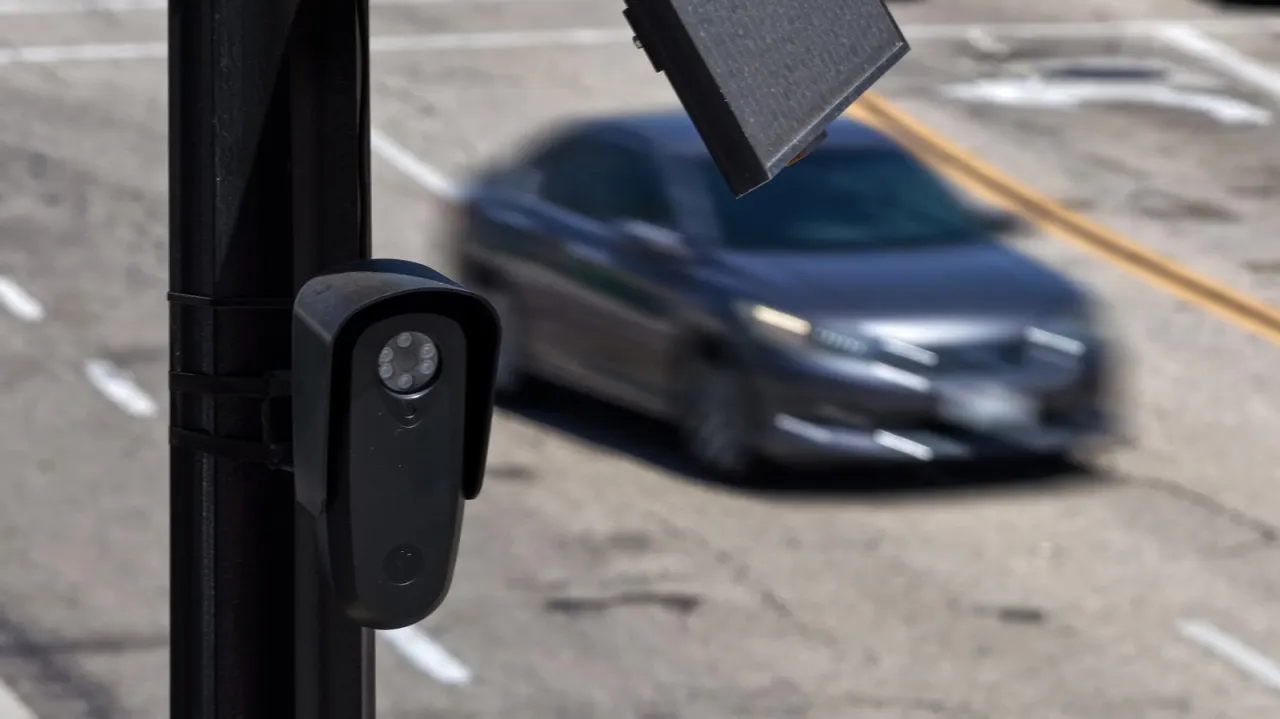
Flock Safety is reportedly preparing to cut 18 per cent of its workforce, as opposition to its AI-powered number-plate cameras grows across the United States. The planned layoffs show how public and political criticism may be affecting a company whose surveillance technology has spread widely through police departments and cities.
The cuts are expected to affect 270 of the company’s roughly 1,500 employees and take effect at the end of October, according to sources who spoke to Reuters. It is unclear how many may leave through a previously reported employee buyout programme. Opposition has come from both parties: Florida has barred the cameras from highways, Texas has stopped state funding, Pennsylvania’s governor has criticised them, and Los Angeles police declined to renew their contract.
- Flock Safety reportedly plans to cut 270 jobs.
- The layoffs would affect 18 per cent of its workforce.
- Political and public opposition to its cameras spans party lines.
New here? Start with this
Flock Safety is a company that produces surveillance cameras designed to photograph and identify vehicle number plates automatically. Police departments and cities across the United States have adopted this technology to monitor traffic and assist with law enforcement.
The cameras have attracted significant opposition from privacy advocates and politicians from across the political spectrum. Critics raise concerns about mass surveillance and data collection; several states and cities have restricted the technology, including Florida banning cameras from highways, Texas halting state funding, Pennsylvania's governor criticising them, and Los Angeles police ending their contract.
The opposition to number plate cameras reflects broader public and political concerns about surveillance and privacy. Such concerns directly affect the commercial environment and prospects for companies that develop surveillance technology.
Both sides, in good faith
The strongest fair case each way — we don't pick a winner.
The case for
Supporters contend that automated number-plate recognition is a legitimate law enforcement tool helping police solve crimes, locate stolen vehicles, find missing persons and identify suspects in serious offences without requiring manual vehicle checks. The technology operates within established legal frameworks through proper police department channels, and deployment has not produced compelling evidence of significant harms. They argue that balancing legitimate privacy concerns against real public safety benefits that demonstrably prevent crime and protect communities is a reasonable governance choice.
The case against
Critics argue that widespread surveillance camera deployment creates a comprehensive tracking infrastructure that fundamentally alters the citizen-state relationship, regardless of whether individual uses are technically legal. The accumulation of movement data enables mass surveillance with potential for mission creep, system errors and disproportionate impact on marginalised communities, and the absence of transparent public debate before deployment means society should exercise caution about normalising such technology before its long-term consequences become entrenched and irreversible.