Culture news and discussion on TalkFuse.
Flock’s Plans for Rideshare Dashcams and Coaching Police, Revealed
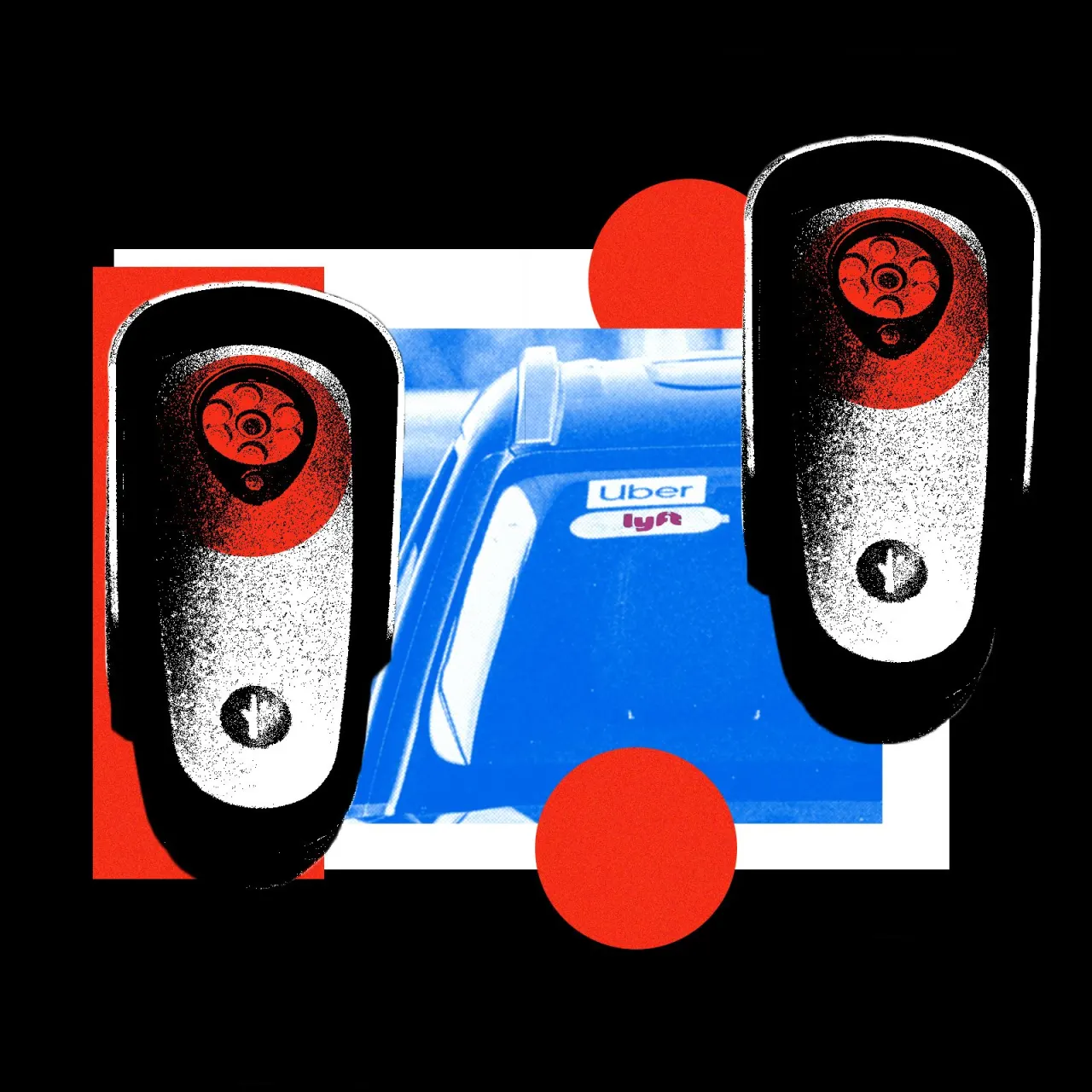
Flock Safety explored expanding its surveillance network by using dashcams in rideshare and delivery vehicles to collect vehicle data, according to a presentation obtained by 404 Media. The proposal matters because it could have converted a system of fixed automatic number-plate recognition cameras into a mobile network operating through drivers’ vehicles, potentially without their knowledge.
The presentation, prepared for the Georgia Attorney General’s Office last August, described a proposed partnership with dashcam company Nexar involving 350,000 devices. Flock said the partnership was never completed; Uber, Lyft and Nexar did not comment. Nexar was breached in September, when a hacker reportedly obtained terabytes of customer video, including footage near US Defence Department sites.
In short
- Flock proposed mobile number-plate surveillance through dashcams.
- The plan involved 350,000 Nexar devices.
- Flock says the partnership never went ahead.
Steelman: both sides, in good faith
The strongest fair case each way — we don't pick a winner.
The case for
Those supporting this proposal would emphasise that commercial vehicle dashcams already exist widely for insurance purposes, so leveraging this infrastructure for public safety—helping locate stolen vehicles, missing persons, and assisting investigations—uses available resources efficiently. Rideshare drivers operate in public spaces with reduced privacy expectations, and participation could be voluntary or incentivised, adding public safety capabilities without expensive new infrastructure.
The case against
Critics contend this represents unacceptable expansion of surveillance into everyday movement and commerce, converting fixed cameras into a pervasive mobile tracking network that threatens fundamental privacy and freedom of movement, especially when users may not fully understand the data collection. The security risks are substantial, as demonstrated by Nexar's breach exposing terabytes of footage; centralising such data creates targets for criminals and foreign actors, and law enforcement access to comprehensive movement data raises serious concerns about discriminatory policing and mission creep beyond stated public safety aims.
Explained simply
Flock Safety is a US company that sells automatic number-plate recognition cameras, which record passing vehicles’ number plates and help search for vehicles of interest. Police and other agencies use these systems to locate vehicles and review where they have been seen.
Rideshare and delivery drivers spend much of their time on public roads, so cameras in their vehicles could gather sightings across a wider area than fixed cameras. The proposal involved Flock and Nexar, a company that makes dashcams; the presentation described a possible network of 350,000 devices.
The idea raises questions about who knows when vehicle data is being collected, who can access it and how it is protected. Those questions have added relevance because Nexar later reported a breach in which a hacker obtained large amounts of customer video.
Art Culture Cybersecurity Technology