Politics news and discussion on TalkFuse.
Florida approves sweeping property-tax breaks — but New Yorkers planning a move face a catch
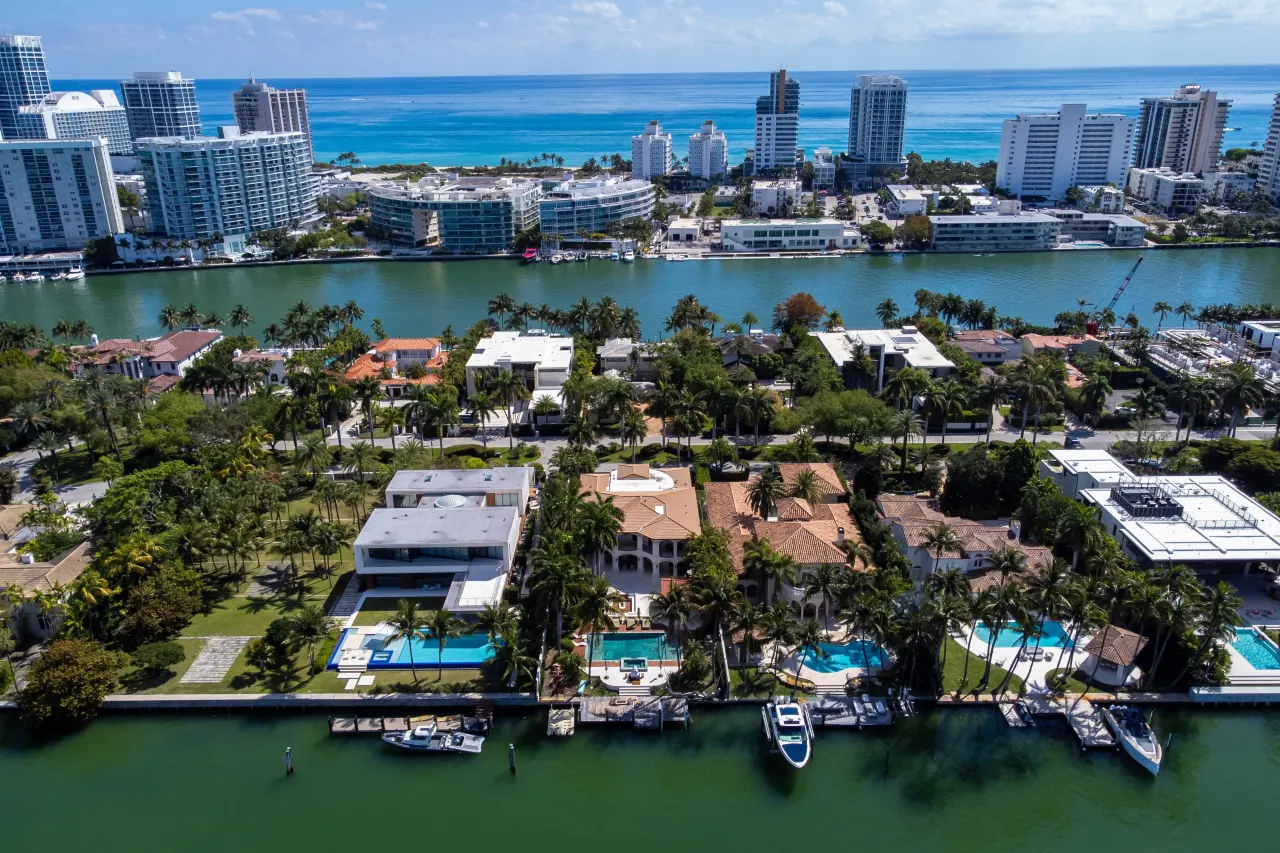
Florida voters approved Amendment 3, expanding property-tax breaks for eligible homeowners and limiting annual increases in assessed values for other properties. The change could reduce some homeowners’ bills and make Florida more attractive to people considering a move, including affluent buyers from the north-east.
From 2027, qualifying homeowners can exempt the first $150,000 of assessed value from most local property taxes; that amount rises to $250,000 in 2028 and then adjusts for inflation. A previous estimate put the typical homeowner’s annual saving at about $1,800 by 2028, though local rates and property values will affect the amount. People who are not Florida residents by 31 December 2026 must wait until their fifth year of homestead eligibility to receive the expanded exemption. The measure also halves the annual assessed-value increase cap for second homes, rentals, investment properties and commercial buildings from 10% to 5%; assessments may reset when a property changes hands.
In short
- Florida voters approved a major expansion of property-tax breaks.
- New residents face a five-year wait for the larger homestead exemption.
- Annual assessed-value increases for many other properties are capped at 5%.
Steelman: both sides, in good faith
The strongest fair case each way — we don't pick a winner.
The case for
Supporters argue that the measure will lower housing costs for eligible homeowners and help residents keep pace with inflation, while the tighter cap on annual assessments can make property-tax bills more predictable for owners of second homes, rentals and businesses. They see the delayed benefit for new residents as a reasonable way to prioritise established Florida homeowners and manage the cost of tax relief.
The case against
Critics argue that broad property-tax cuts can leave local governments with less revenue for services, or shift more of the tax burden onto renters and other taxpayers if budgets must be made up elsewhere. They also contend that the waiting period disadvantages newcomers, while the measure may make Florida more attractive to affluent buyers without addressing housing affordability for people who do not own homes.
Explained simply
Property tax is a charge set by local authorities and based partly on a home’s assessed value. Florida already gives eligible residents a homestead exemption, which reduces the value used to calculate some local property taxes.
Amendment 3 expands that exemption for qualifying homeowners and limits how quickly the assessed value of other properties can rise each year. The amount people save will vary with their property and local tax rates, and the rules differ for primary homes, second homes and rental properties.
The change may matter to people weighing a move to Florida, including buyers from states such as New York. Those who are not Florida residents by the end of 2026 must wait until their fifth year of homestead eligibility for the expanded exemption.