Fly-tippers face £5k fine in new crackdown
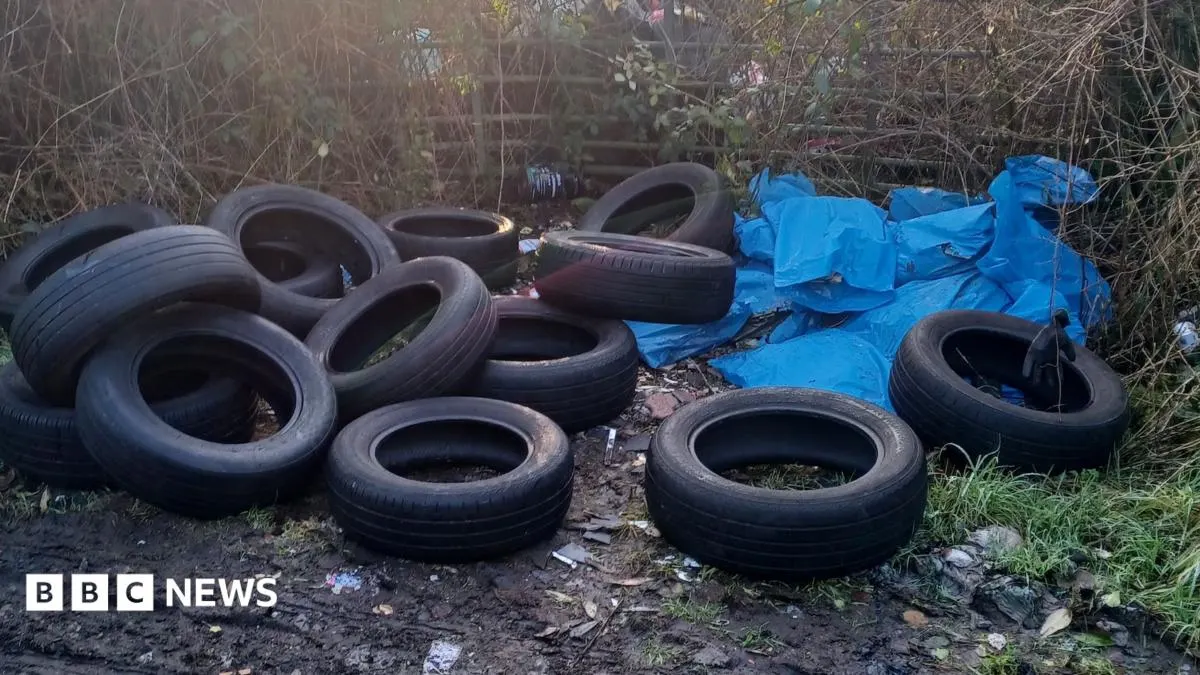
Cornwall Council is introducing new enforcement measures against fly-tipping, including £5,000 fines for those caught illegally dumping waste. This crackdown comes after the council recorded 17,500 fly-tipping incidents over the past five years, highlighting the scale of the problem.
The council is deploying covert cameras to catch unlicensed waste carriers and is also appealing to residents to submit evidence from their own footage. Households found to have hired fly-tippers will also face fines, as officials stress that illegal dumping causes significant environmental damage and costs councils and landowners substantial sums to remedy.
- Cornwall Council raising fines to £5,000 for fly-tipping offences
- Council recorded 17,500 incidents in five years
- Households hiring fly-tippers also face penalties
New here? Start with this
Fly-tipping is the illegal dumping of waste on someone else's land without permission or proper licences. The waste can range from household rubbish to large quantities of industrial material discarded at roadsides or in remote locations.
This practice causes real problems for councils and landowners, who must pay to clear the waste and address environmental damage. Cornwall Council has dealt with thousands of fly-tipping incidents in recent years, making it a significant local issue.
The council is now introducing stricter enforcement measures to tackle fly-tipping, including £5,000 fines for those caught illegally dumping waste. The council is also making clear that households which knowingly hire others to illegally dispose of their waste will face fines too.
Both sides, in good faith
The strongest fair case each way — we don't pick a winner.
The case for
Fly-tipping causes genuine environmental harm and costs councils and landowners hundreds of thousands of pounds to remedy. When responsible businesses and households follow the law and pay for proper disposal, it is fundamentally unjust that others evade these costs through illegal dumping. A robust enforcement response with visible deterrents like camera deployment and substantial fines reflects appropriate consequences for harmful behaviour and sends a clear message that this practice will not be tolerated. The scale of the problem—17,500 incidents in five years—demonstrates that weaker approaches have failed and that enforcement action is necessary to protect communities and uphold the principle that rule-breaking carries meaningful consequences.
The case against
Enforcement-focused approaches risk missing the deeper issue: why people resort to fly-tipping in the first place. If legal waste disposal is prohibitively expensive for low-income households or small businesses, penalties alone will not change behaviour but will simply punish those with fewer resources. Covert camera surveillance also raises privacy concerns and may be disproportionate to the problem. A more effective, equitable strategy would address the underlying economics—making legal disposal more affordable and accessible—whilst directing enforcement resources toward large-scale commercial offenders. Without tackling root causes, heavy fines risk widening inequality whilst failing to substantially reduce the practice.