UAE says Flydubai attacker planned to hit Ben Gurion terminal
Developing story first seen 2 hours ago
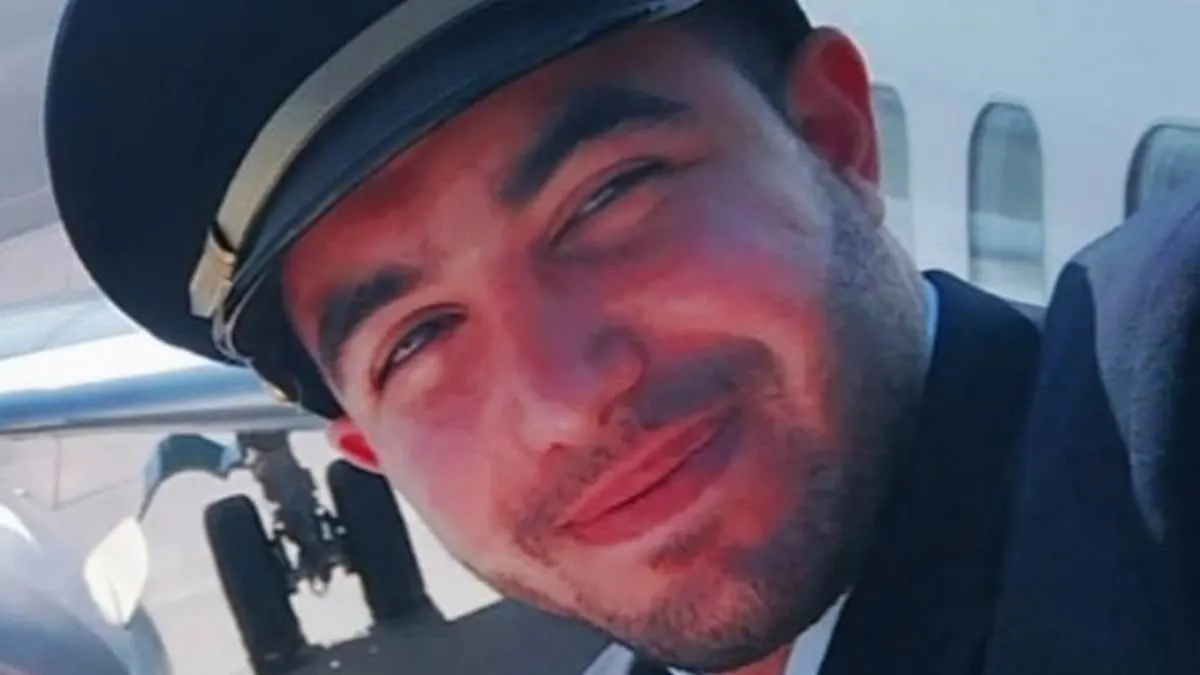
The UAE says Hamam Al Hammami planned to crash a Flydubai aircraft into a terminal at Ben Gurion Airport in an attack inspired by 9/11. The new account adds that US and Israeli intelligence also believe he planned to target the airport or a tower block in Tel Aviv, and that Israel’s government was prepared to shoot the plane down.
Al Hammami, 29, allegedly attacked the captain with a crash axe as the Israel-bound flight descended 14,000 feet in 29 seconds; passengers and crew restrained him. UAE investigators say he acted alone, confessed and had used two earlier flights to learn the route. They report signs of radicalisation dating to 2017, although he met Flydubai’s professional and security requirements; he had previously been removed from flying duties at Oman Air.
- UAE says the co-pilot planned a 9/11-inspired crash at Ben Gurion Airport.
- US and Israeli intelligence also cite a possible Tel Aviv tower-block target.
- The suspect had passed Flydubai’s hiring checks despite earlier warning signs.
New here? Start with this
A Flydubai flight heading to Tel Aviv experienced a serious incident when a member of the flight crew allegedly attempted to seize control of the aircraft. The co-pilot attacked the captain with a crash axe, and the aircraft plummeted thousands of feet before other crew members and passengers managed to restrain the suspect.
The suspect is Hamam Al Hammami, a 29-year-old co-pilot who has confessed to the attempted hijacking. According to investigators, he intended to crash the aircraft into Ben Gurion airport in Israel as an attack inspired by 9/11, and he had previously taken two flights on the same route to learn its details.
The incident raises serious security questions because Al Hammami had passed standard airline recruitment checks despite evidence of extremist views dating back to 2017. He had previously worked for Oman Air before being removed from flying duties, and had also completed training with Royal Air Maroc, which rejected his employment application.
Both sides, in good faith
The strongest fair case each way — we don't pick a winner.
The case for
The authorities' claims demonstrate a serious security vulnerability. An individual with documented extremist views dating to 2017 and prior removal from flying duties elsewhere still managed to pass airline security checks and board an Israel-bound flight. His alleged plan—using reconnaissance flights to prepare for a 9/11-style attack—represents exactly the kind of threat aviation security exists to prevent. The successful restraint of this incident should not obscure the systemic failure it reveals about vetting procedures and international information-sharing amongst airlines.
The case against
Whilst the incident is certainly concerning, treating an unverified confession as definitive proof of a coordinated attack plan risks overcorrection. Confessions obtained during police interrogation can be influenced by coercive circumstances, and authorities have incentive to frame incidents as more severe for security narratives. One person slipping through security procedures, though regrettable, does not necessarily indicate systemic failure—no vetting system can be foolproof, and retrospective analysis always makes failures obvious. The accused deserves due process and independent judicial review before preliminary investigative claims become accepted as confirmed intentions.
More coverage
Read the full article at the source →
Originally published by Daily Mail as “Flydubai ‘hijacker’ who stabbed co-pilot ‘planned to crash aircraft into Ben Gurion airport’, UAE claims”.